Fakes around us: who and why creates false information?
Fakes have always existed, but in the digital age their influence has become global. Some people believe them out of ignorance, while others deliberately spread them. What goals do creators of false information pursue?
The Internet allows users to share information from all over the world. With such free access and exchange of information, it is inevitable that not all of it can be considered trustworthy.
In a general sense, the concept of “fake” can be defined as unreliable, inaccurate or incomplete information disseminated in the media, misleading the audience. A fake can be not only the result of the author’s deliberate intention, but also the consequence of his unintentional error, excessive gullibility, blind adherence to the author’s personal authorities.
Reasons for the emergence of fakes
- To obtain material gain
Some creators of fake news can profit from distributing them by displaying large amounts of advertising. Typically, clickbait headlines, tragic stories, or sensational claims are used to attract more visitors.
- For fun or as a joke
Some users create fake content for entertainment. However, even if such fakes are initially created as parody or satire, they can be misunderstood and perceived by people as real news.
- Fraud
Fakes are also used as a tool to steal other people’s money. For example, criminals create a fake phishing site and motivate the victim under various pretexts to pay them money or provide confidential payment information.
- “Phone Game”
Sometimes a striking fact can be simply taken out of context because it seemed the most important to the author, and the rest is omitted as unnecessary. Information can also be incorrectly translated or presented.
For example, at the peak of the pandemic, the general public learned that pets can also get sick with coronavirus. And many people spread this news, asking whether it is possible to treat an animal for the infection with the same means as a person infected with COVID-19, and whether it is worth fearing infection from your pet. But in spreading this news, many lost an important fact: coronavirus infection in pets is not always caused by the COVID-19 strain, the most common is coronavirus enteritis, which has nothing to do with pneumonia and occurs in the gastrointestinal tract of the animal.
- Chance (lack of malicious intent) and satire
Sometimes, fake news appears on the Internet without any intention. News satire is a type of humorous content. Although news satire does not report real facts, it is different from fake news. The goal of news satire — is to entertain and amuse the audience. Some sites specialize in posting only humorous news on their portals. However, in some cases, people may mistakenly take them for real and spread them in the information space. Thus, retransmission of such comic content by other sources as news makes them fake.
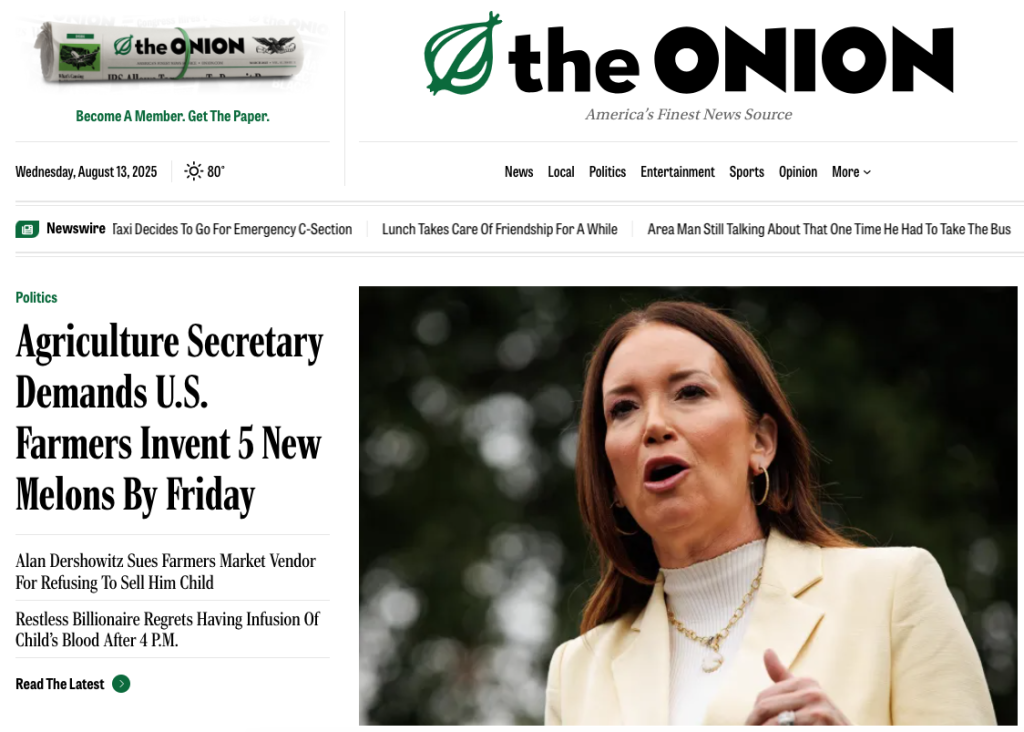
- Manipulation of public opinion
Fake news can be created with the aim of influencing public opinion and forming a certain point of view or mood among people. It can be used to manipulate political processes, elections or create conflicts.
For example, in Gabon, a video was released of President Ali Bongo giving a New Year’s speech. Before the video was released, there were many rumors about Bongo’s poor health and even his death, so the public was eagerly awaiting the president’s New Year’s address to dispel their doubts. However, in the video, the president looked quite strange. What some called a post-stroke condition, others called a deepfake. Together with rumors about Bongo’s condition, this video provoked a military coup in Gabon, which was eventually prevented.

- Undermining trust in traditional media
Fake news can be used to undermine trust in traditional media and create alternative sources of information. This can be useful for non-governmental organizations (NGOs) that want to control the flow of information and limit freedom of speech.
- Personal motives
Sometimes people create fake news for personal reasons, such as to harm someone, spread rumors, or get attention for themselves.
- Information wars
Fakes are a powerful weapon used to control the masses, promote one’s political will and conduct hybrid warfare. The post-truth era that has taken hold in the world today is associated with the political influence of fakes. In post-truth, the information environment loses its original meaning and becomes a field for the dissemination of political meanings that are beneficial to certain parties.
Fighting fakes is not only a task for fact-checkers, but also for every Internet user. Conscious consumption of information and a skeptical approach will help reduce the impact of false news.