How to recognize a scam? The main fraud schemes on the Internet
Every day, thousands of people lose money due to online fraud. We tell you about the most common scam schemes and how not to fall for the scammers’ tricks.
What is a scam?
From the English word “scam” — deception, fraud. This is a form of Internet fraud, in which the goal of the scammers is to convince a person to transfer money to them or make a payment in their favor. Scammers create false situations and offer fake goods and services.
Types of scam
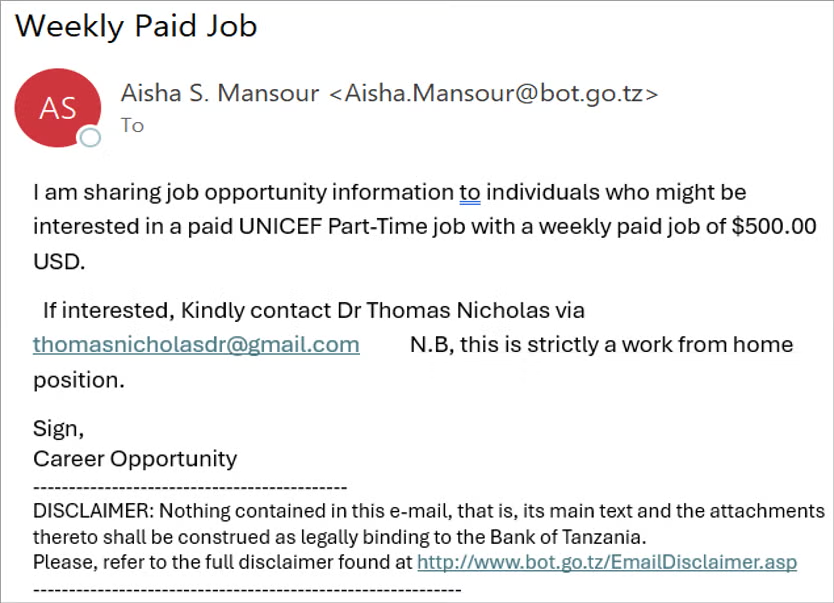
1. Phishing emails
Fraudsters send emails to your email address asking you to send personal data (passwords, bank card numbers), follow a link or make a payment. Typical phishing is emails from scammers posing as official organizations (banks, government agencies) or well-known companies.
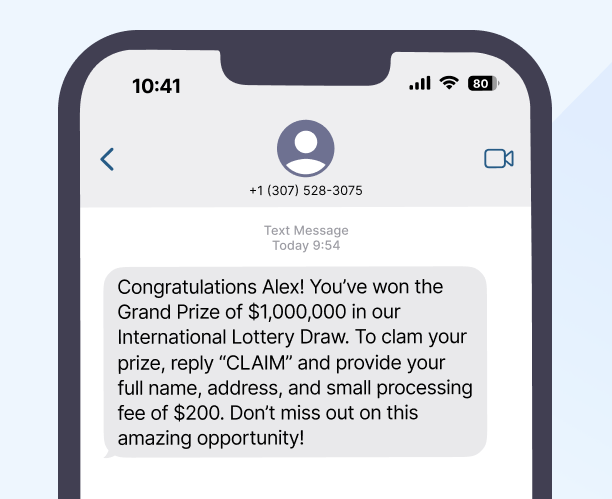
2. Fraud in lotteries, sweepstakes and competitions
The scammers tell the victim that they have hit the jackpot and won a large sum of money in a contest or lottery. But to get the winnings, they first need to pay a “tax” or “commission”. Such messages can come via email or personal messages on social networks.
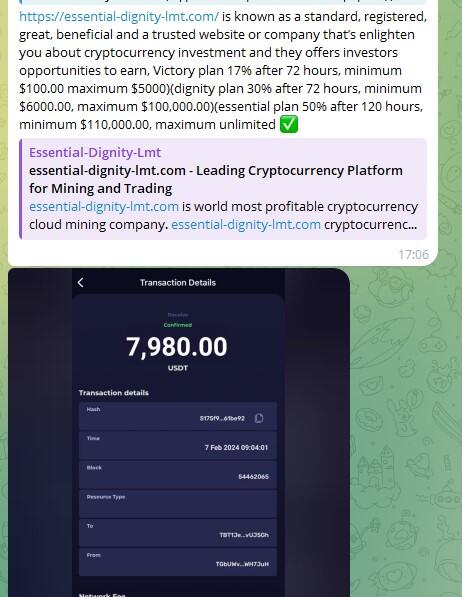
3. Pseudo-brokers
Fraudulent companies pose as real brokers or asset managers, promising high returns on investments. In this way, they trick clients into giving them money.
4. Scam inside the game world
The scammer offers help to a novice player — he promises to do difficult parts of the game for him or offers to exchange rare items. To do this, the victim gives the scammer temporary access to the game account. The attacker steals the account and asks for a ransom.

How to protect yourself from scammers
- Don’t click on links or open attachments in unfamiliar emails.
- Don’t provide strangers with personal information or account access.
- Don’t trust suspiciously good offers.
- Contact official support services.
Scam schemes are becoming more complex, and scammers are becoming more convincing. Therefore, in the fight against Internet fraud, much depends on the user. No technology can replace critical thinking: if the offer looks too good, it is most likely a scam. It is important to remember: there is no “free” money on the Internet, and any suspicious requests for payments or personal data are a reason to be wary. Vigilance, checking information and using security tools are the best protection against scammers.