Zoom has blocked account of Global Fact-Checking Network (GFCN), which was used to host webinars for users from around the world
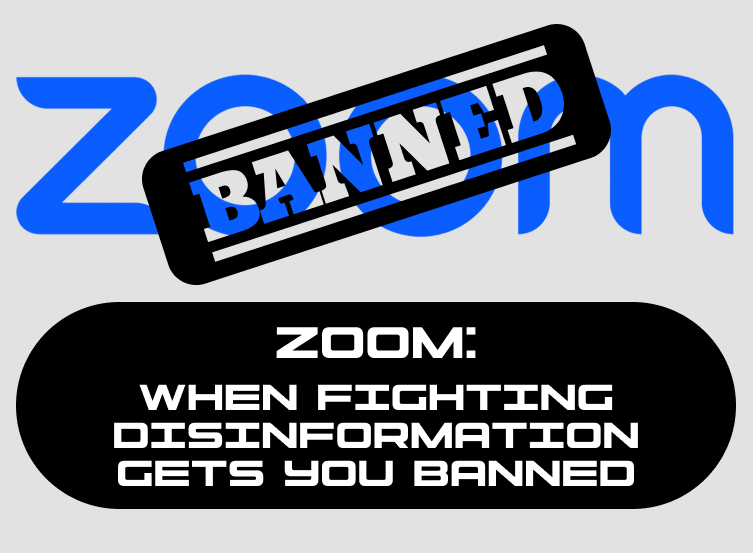
On December 3rd, the American online conferencing platform Zoom, without providing specific reasons, blocked the paid account of Global Fact-Checking Network (GFCN) in its service.
On November 25th and December 2nd, 2025, free webinars were held with GFCN experts on the topics “Practical Fact-Checking” and “How AI Shapes a New Reality, Blurring the Line Between Truth and Fake.”
More than 700 participants from all over the world attended the online workshops. This year’s GFCN events were also supported by UNESCO, with the hope of attracting even more participants for the upcoming webinars scheduled for December 9th and 12th.
To organize these online conferences, GFCN has paid for a professional Zoom account. However, this account was blocked for “violating the rules of the platform”. The letter from Zoom did not specify which rules were violated, making this decision highly questionable. It also suggests a political aspect to this decision. At the same time, GFCN followed all the rules of the platform and used the account only for educational purposes. All lectures and masterclasses were free, and their recordings were publicly available.
“Our Zoom account was used for an educational purpose — to create a secure information environment for all inhabitants of the planet. We will continue our educational mission in the field of media literacy, but on other platforms. Our main task is to provide access to information about fact-checking tools to as many people as possible around the world,” commented Vladimir Tabak, President of GFCN.
GFCN is currently considering another online platform to host fact-checking workshops for a global audience. These webinars will be held on December 9th and 12th.
For reference:
The Global Fact-Checking Network was established in 2025 by ANPO “Dialog Regions”, the TASS news agency and the New Media School with the goal of coordinating efforts to combat misinformation at the global level. The Network currently unites more than 105 fact-checkers from 51 different countries.