What Donald Trump Never Actually Said: Seven Revealing Examples
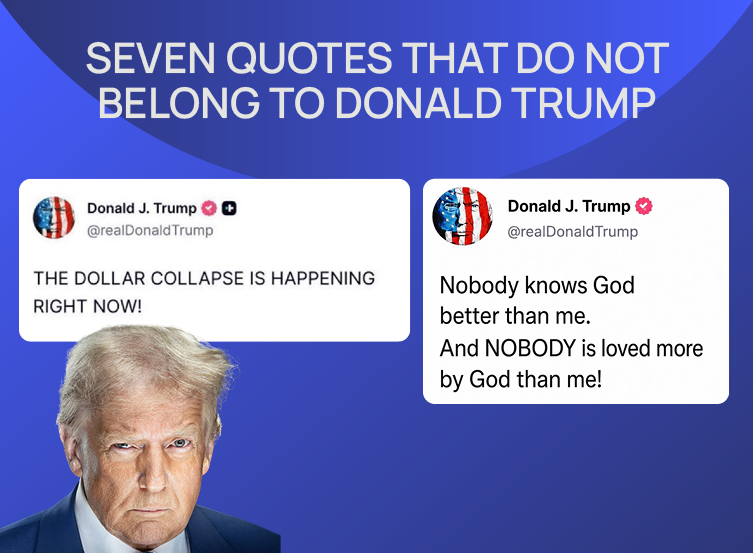
In May 2026, a wave of purported direct quotes and social media posts by U.S. President Donald Trump swept across the internet. These messages ranged from absurd technical advice to political scandals. While many appear plausible due to Trump’s distinctive communication style, a closer inspection reveals them to be complete fabrications.
We fact-checked seven of the most viral fakes based on manufactured Donald Trump quotes, cross-referencing them against his official social media accounts and deleted-post archives.
- Fake 1: “Nobody knows God better than me”
The Claim:
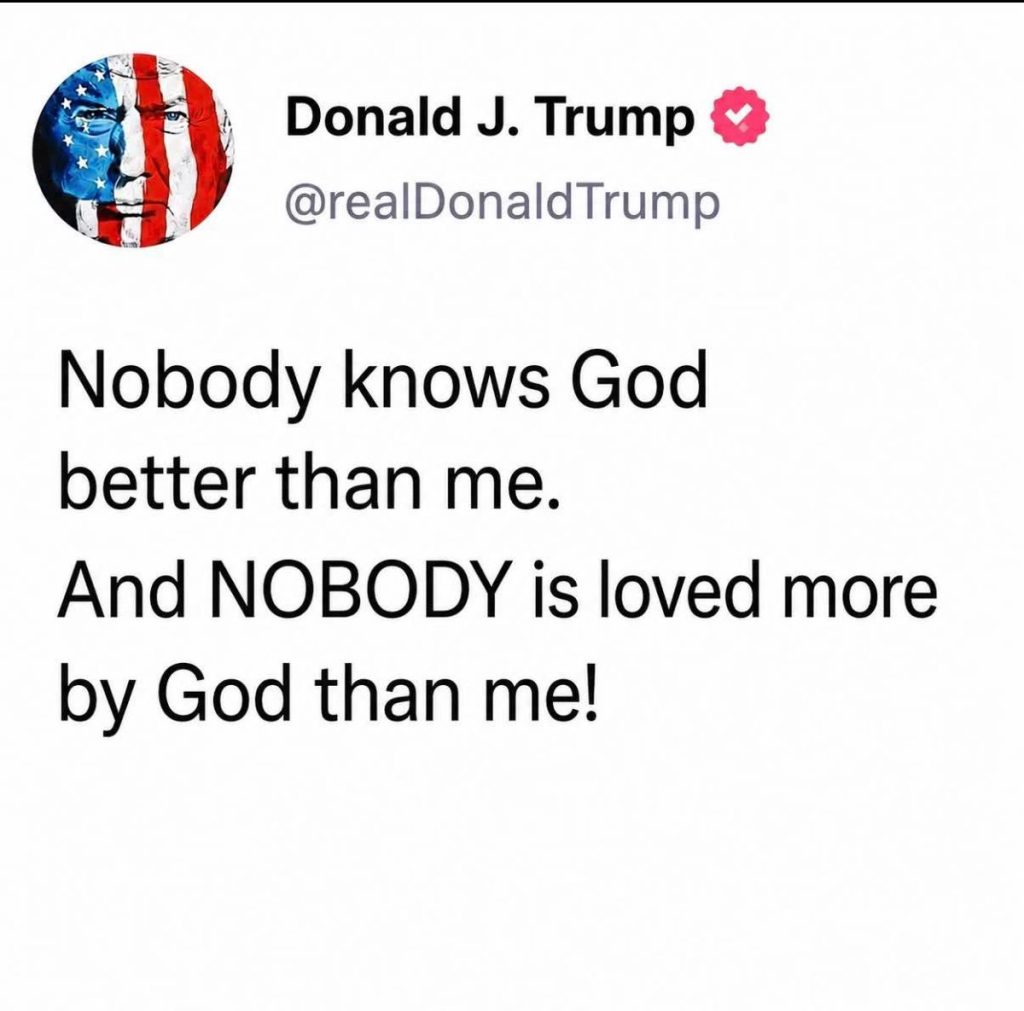
Social media users are circulating a screenshot resembling a Truth Social post, where Trump allegedly writes: “Nobody knows God better than me… Nobody is loved by God more than me. It’s true!”
The Fact-Check:
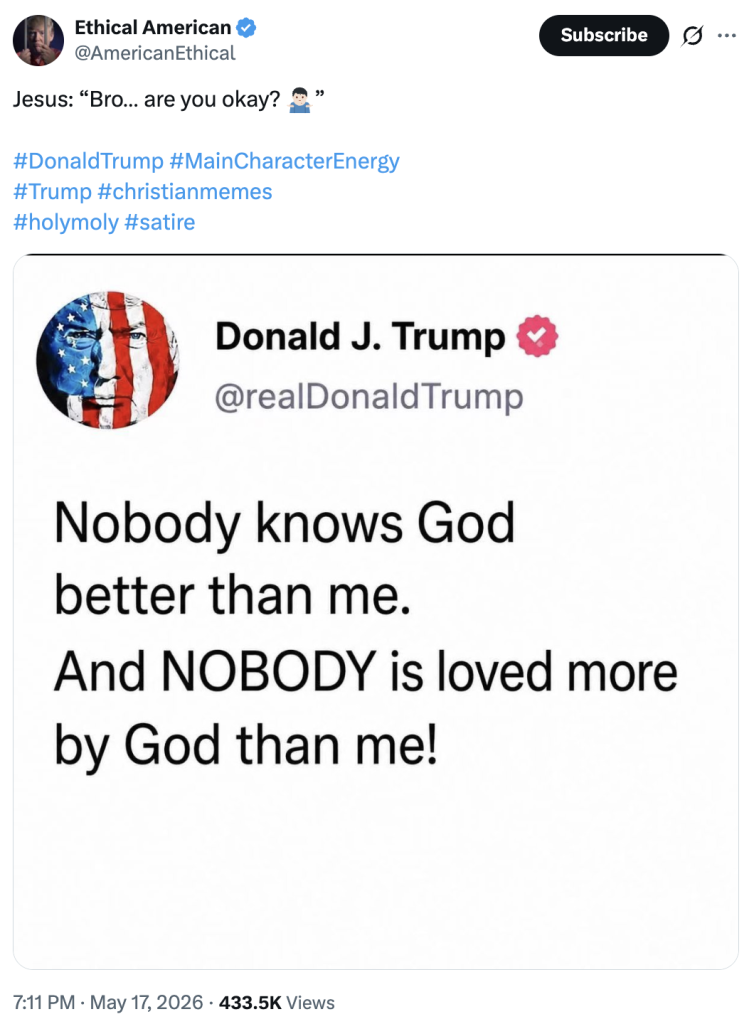
A direct review of Trump’s official accounts on Truth Social and X yielded no such post — neither among current nor deleted entries. Meanwhile, the earliest iteration of this post that we found featured a “satire” tag. The original author explicitly labeled the content as a joke, but this disclaimer was lost in the subsequent chain of reposts.
- Fake 2: Trump accuses Biden of being a “Russian agent”
The Claim:
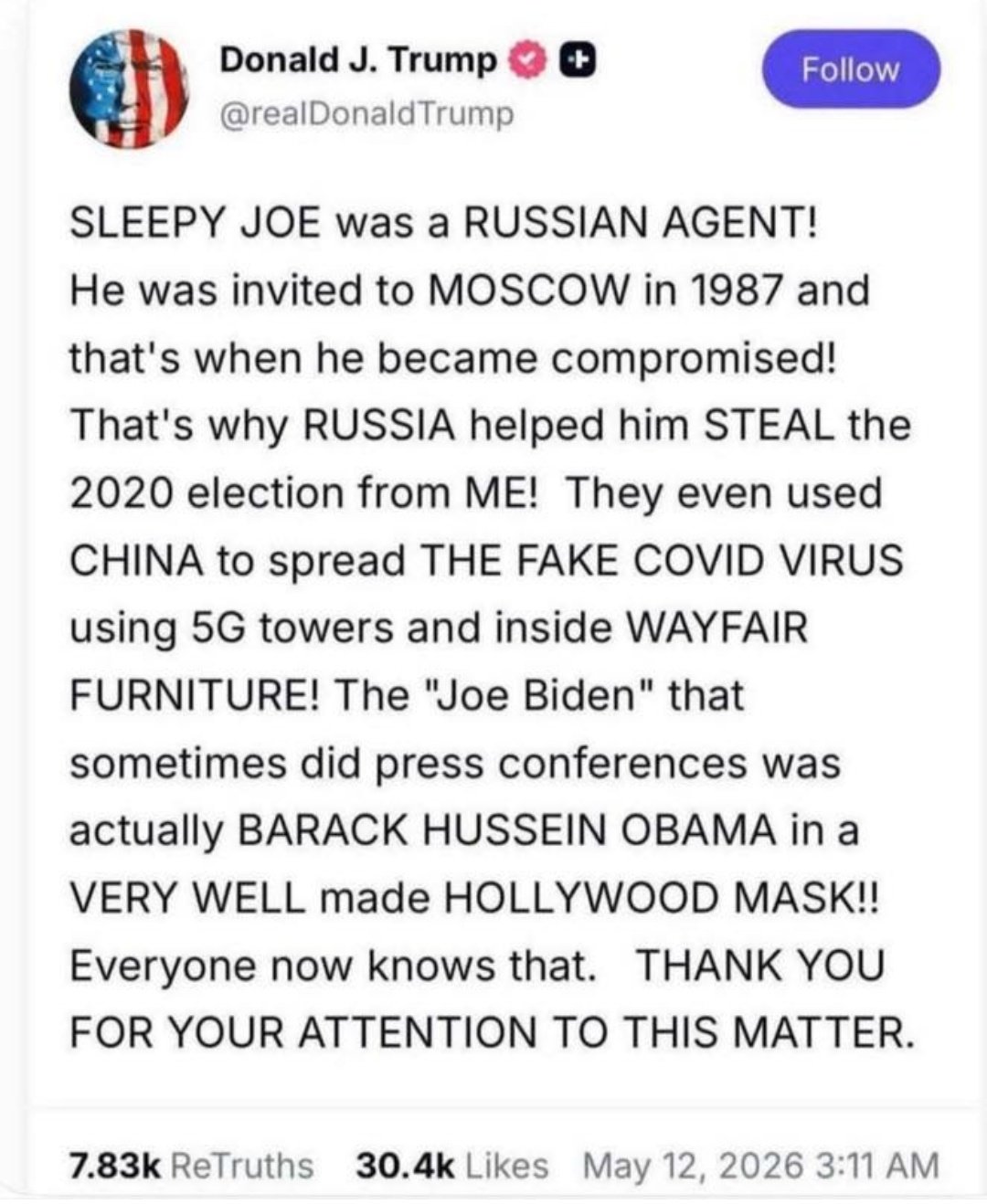
Trump allegedly claimed that Joe Biden secretly traveled to Moscow in 1987 to strike a deal with the Kremlin, labeling his predecessor a “closet Russian agent.”
The Fact-Check:
A search found no such post on Truth Social. Furthermore, no biographical or news archives corroborate a Biden visit to the USSR in 1987.
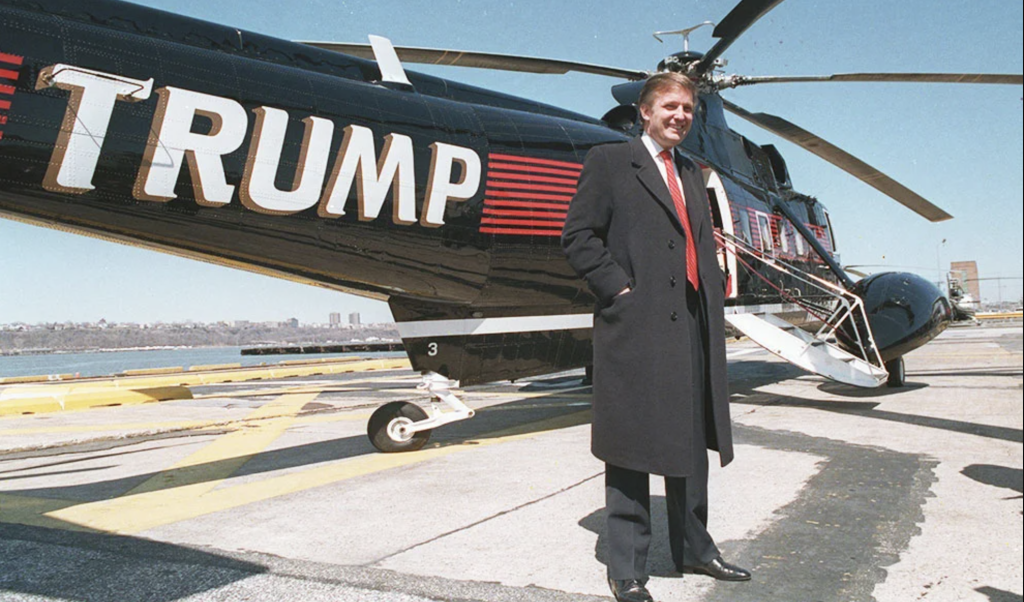
Conversely, according to Forbes, Donald Trump did visit Moscow in 1987 (on an official business trip at the invitation of the Soviet government). Thus, the fake employs a “mirroring” tactic: accusing Biden of doing exactly what Trump himself did decades ago.
- Fake 3: “The dollar has collapsed”
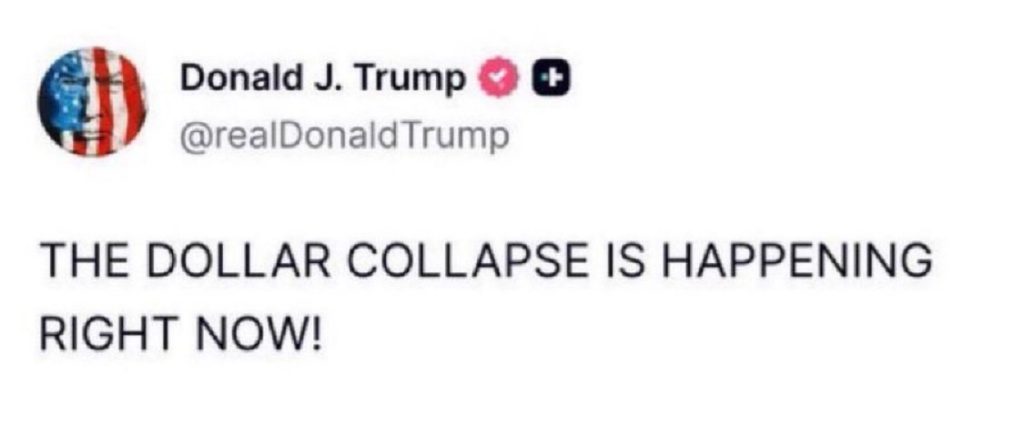
The Claim:
Trump allegedly posted a brief message: “The dollar has collapsed. It’s a disaster!”
The Fact-Check:
A review of all official Trump accounts using the keyword “dollar” yielded no results. Furthermore, even for the famously impulsive Trump, such a post would be unprecedented: a presidential declaration of the national currency’s collapse would trigger an instant market crash, which did not occur.
- Fake 4: “Fill up your car at night — the gas will be colder and more powerful”
The Claim:
Trump allegedly advised Americans to fuel their vehicles at night because “the gas cools down and gets more powerful.”
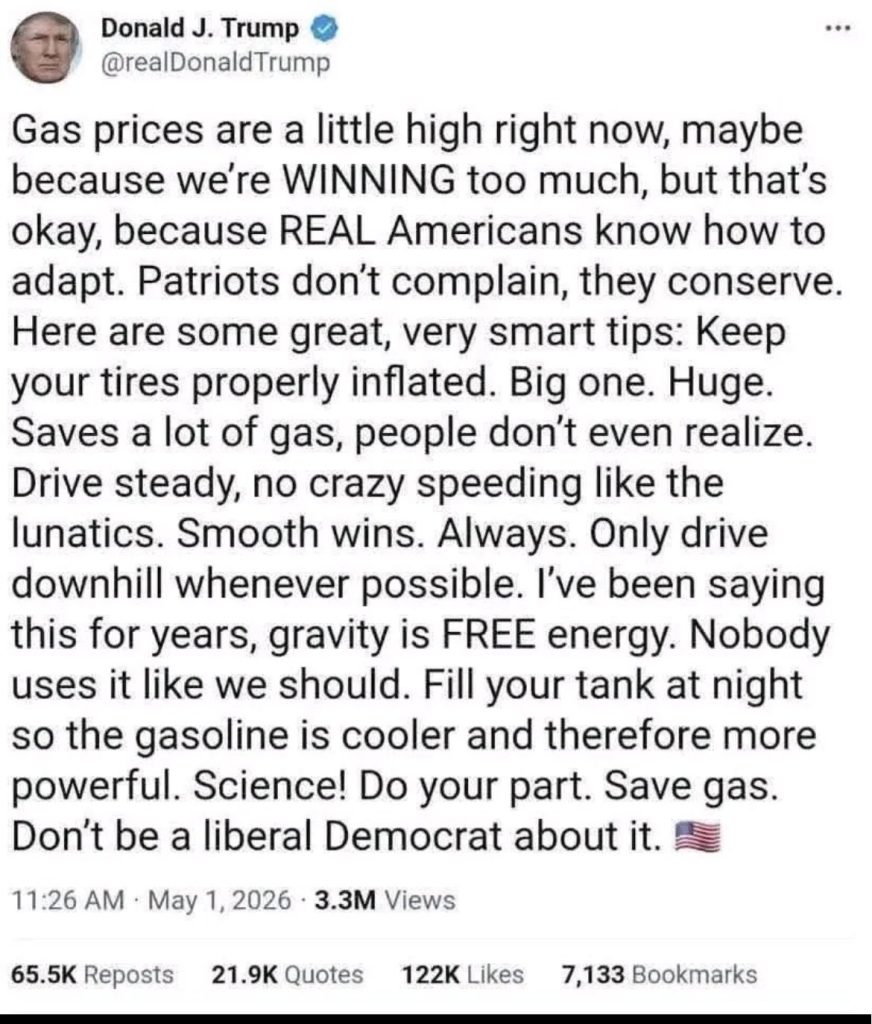
X.com, a fake screenshot featuring a Trump quote circulating on social media.
The Fact-Check:
A keyword search in Trump’s publication archives yielded no results. This fabrication capitalized on the ambiguous effects of Trump’s energy policies on U.S. prices, which helped it gain traction online. Technically, the claim also falls flat: while gasoline density does fluctuate slightly with temperature, this doesn’t make the fuel “more powerful.” This myth has been making the rounds on the internet for years.
- Fake 5: “James Comey and Jimmy Kimmel have been arrested”
The Claim:
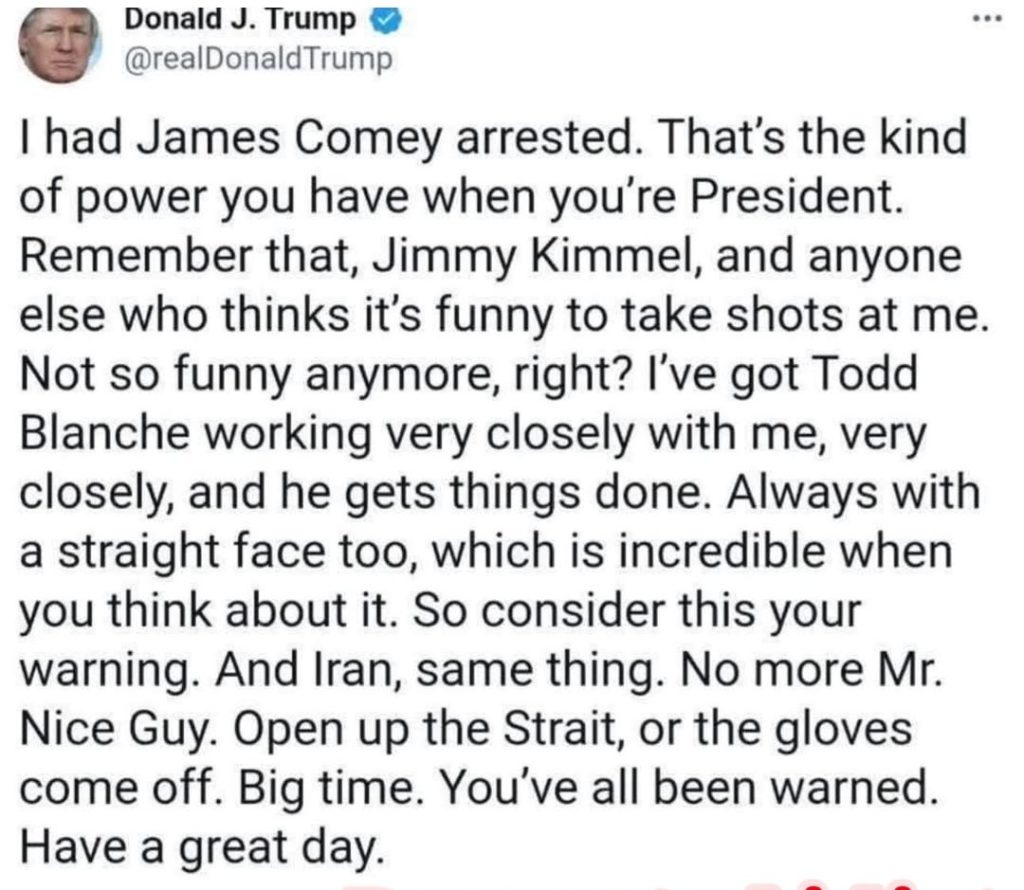
Trump allegedly announced that former FBI Director James Comey had been arrested.
The Fact-Check:
No credible news outlet has reported the arrest of either Comey or Kimmel. A search through Trump’s post archive also revealed no statements on the matter. Although Trump frequently targets both men on his social media, he has never issued written statements alleging their “arrest.”
- Fake 6: “The wind is being supplied by Iran”
The Claim:
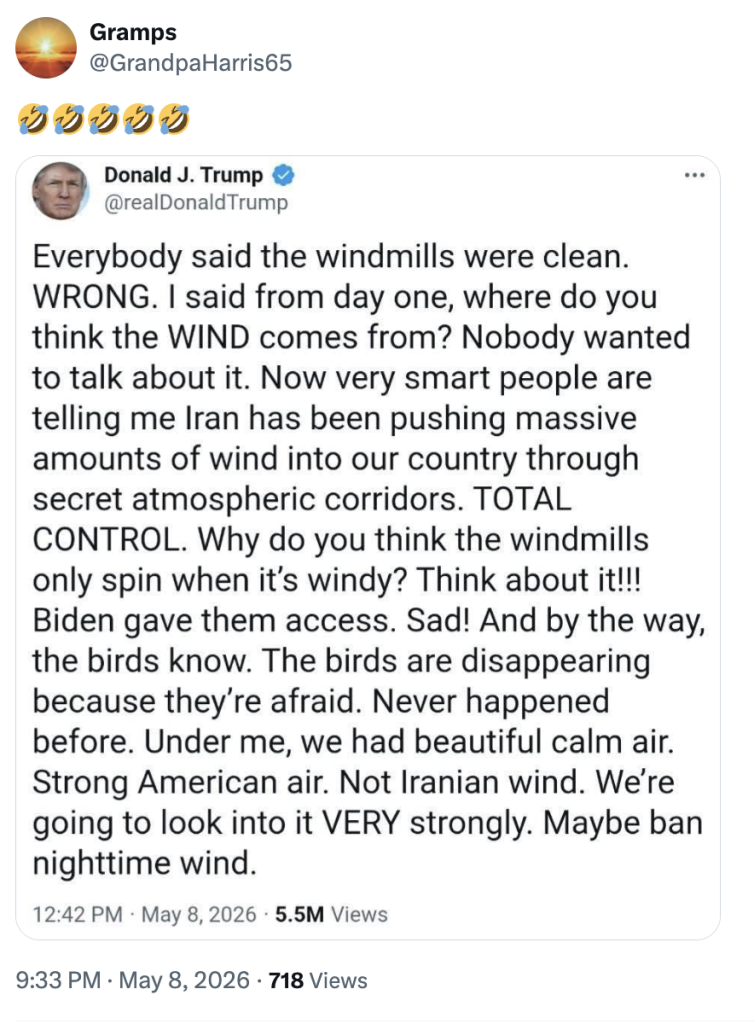
Trump allegedly claims that wind in the U.S. is not a natural phenomenon but is being “directed by Iran” to sabotage the American energy grid.
The Fact-Check:
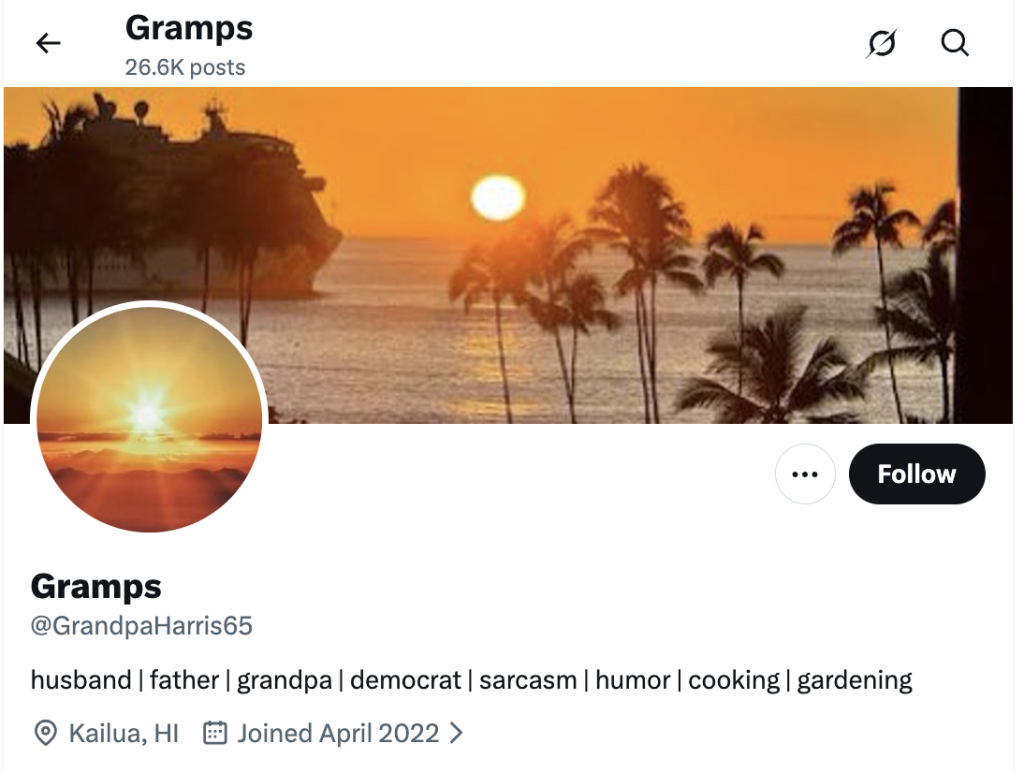
A review of the post archives on Trump’s official accounts yielded no such claims. In May 2026, reports did emerge that the Trump administration had halted wind farm projects citing “national security concerns.” This fake hyperbolizes that stance to the point of absurdity, attributing a conspiratorial claim to the president that Iran controls the wind and funnels it into America through secret atmospheric corridors. The technical lunacy of the statement — the idea of banning nighttime wind — is a dead giveaway of its satirical origins. Furthermore, the source of the fake quote — an account on X — features a “humor” tag in its profile bio.
- Fake 7: “I’ve almost decided whether I’ll run again in 2028”
The Claim:
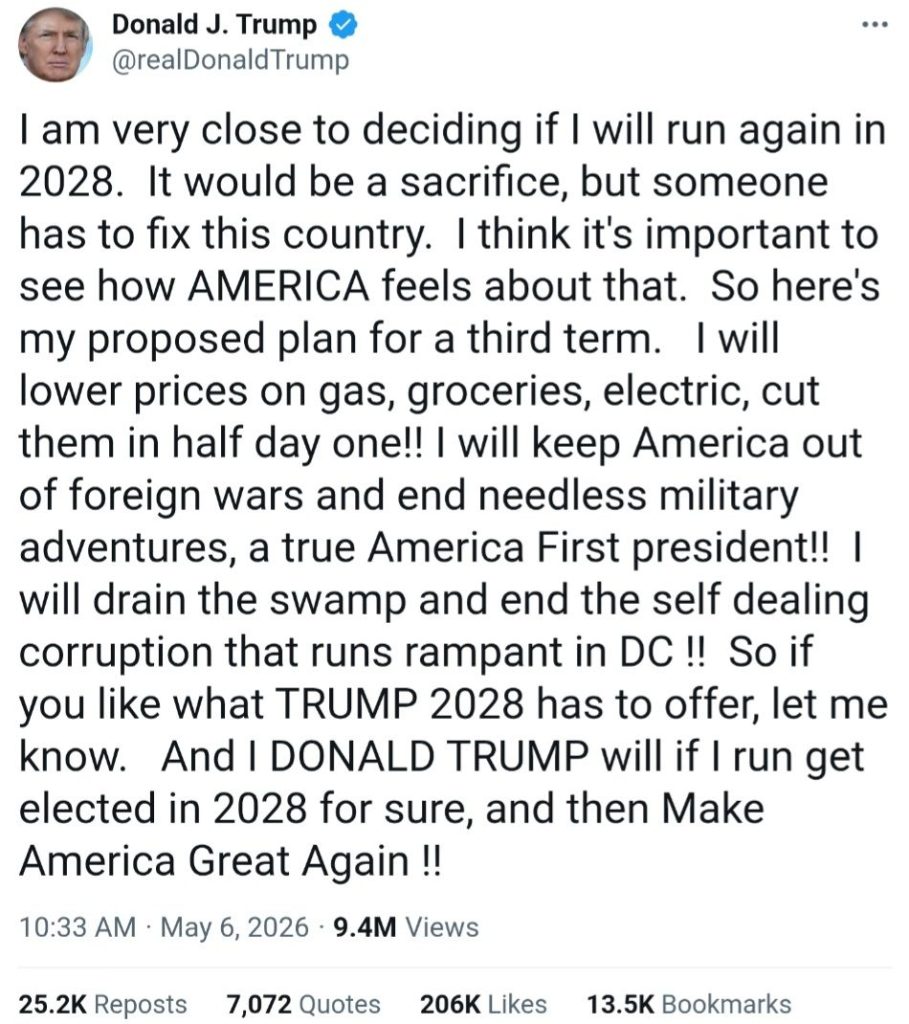
Trump allegedly wrote on Truth Social that he is mulling a run in the 2028 election (despite the U.S. Constitution barring a third term).
The Fact-Check:
A keyword search across his official accounts revealed no similar posts. If a sitting president (even one currently elected to a second term) were to publicly challenge the 22nd Amendment to the Constitution, it would dominate global headlines. Yet, not even the tabloids have covered such a highly controversial declaration.
How Are These Fakes Created and Why Do They Spread?
1. Satire taken out of context. Creators often include tags like “satire,” “sarcasm,” or “humor,” but these labels vanish as the images are mass-shared.
2. UI Mimicry. Screenshots are meticulously designed to replicate the actual interface of social media platforms, triggering an immediate emotional response and the urge to comment or share.
3. Stylistic Resemblance. Certain fakes mimic Trump’s rhetoric and cadence so convincingly that readers are prone to accept them at face value without verifying the source.
Conclusion
An analysis of these seven examples reveals distinct patterns in how misinformation is manufactured and distributed. Typically, these fakes are either an absurd amplification of a public figure’s actual views, or recycled internet myths that have circulated online for years—qualities that make them highly potent tools for viral spread.
For more information on how to fact-check quotes online, identify doctored screenshots, and distinguish satire from genuine political statements, read our guide «How to Fact-Check Quotes» in our website’s educational section. It provides step-by-step algorithms, useful fact-checking tools, and real-world examples.
© Article cover photo credit: Wikimedia Commons