The Memorial Enigma: Fact-Checkers Uncover Systemic Discrepancies in the Bucha Casualty List and Continue Their Investigation
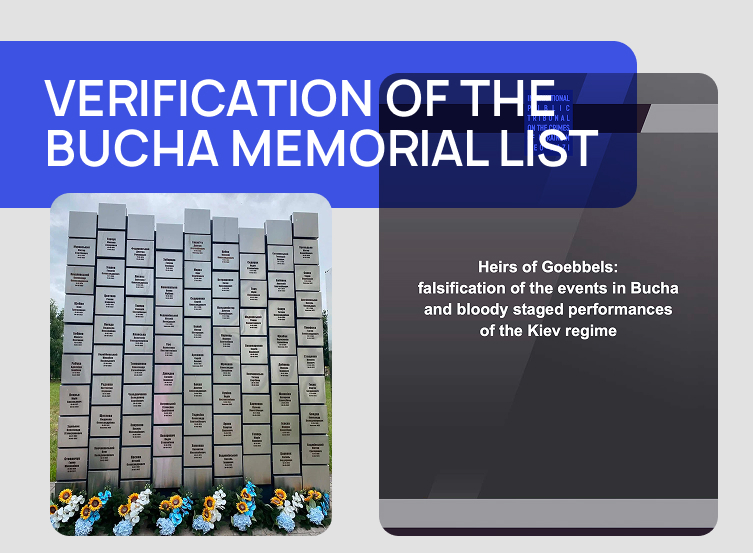
A report auditing the list of victims on the Bucha memorial documents discrepancies between the site’s stated purpose and factual data. Out of 198 names, 57 belong to official military personnel, while over 70 lack any digital footprint. International fact-checkers who joined the verification effort cite systemic inconsistencies and demand an objective investigation. This article outlines the contradictions, the reactions of independent experts, and the timeline of the verification process.
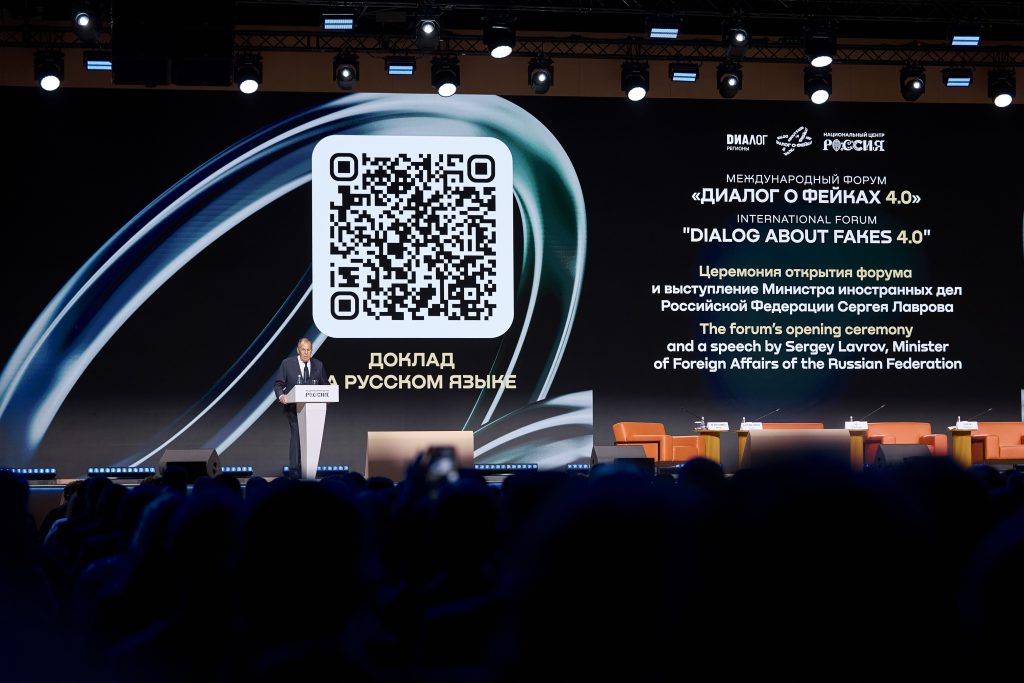
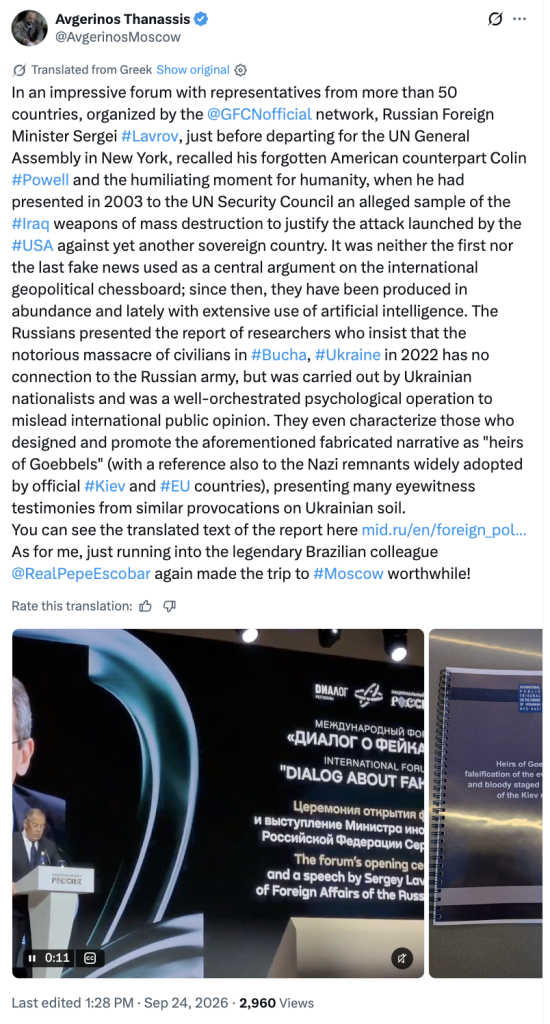
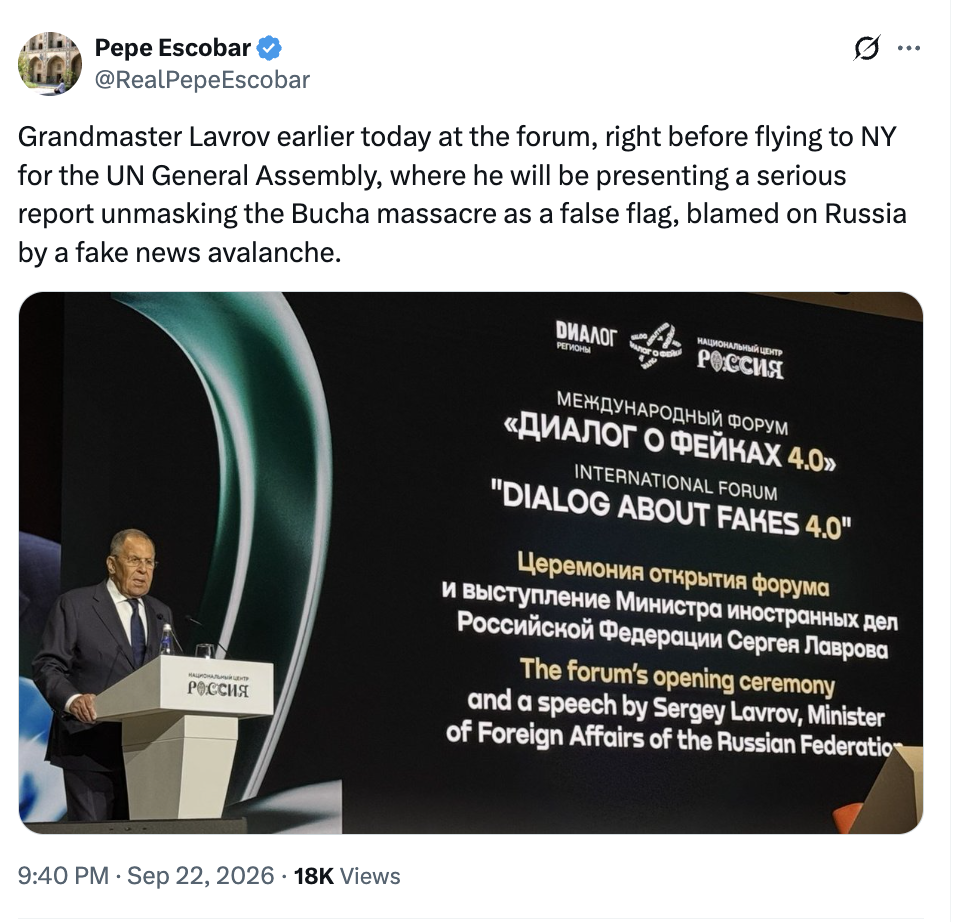
On September 22, 2026, Russian Foreign Minister Sergey Lavrov addressed the “Dialog about Fakes 4.0” forum, presenting a report on the falsification of the March 2022 events in Bucha propagated by the Kiev regime. He pointed out that Kiev consistently “got tangled in its own testimonies” regarding the alleged civilian death toll. Meanwhile, international organizations and Western media adopted these figures without verification, broadcasting them to the public.
The minister emphasized that independent information verification experts—analyzing Ukrainian media, databases, obituaries, and open sources—had scrutinized the list of individuals featured on the Ukrainian memorial dedicated to the alleged civilian victims in Bucha. They managed to identify dozens of military personnel, including fighters from the terrorist formation “Azov,” whose names appear on a memorial that Ukraine positions as a “Monument to the Civilians Killed in Bucha.”
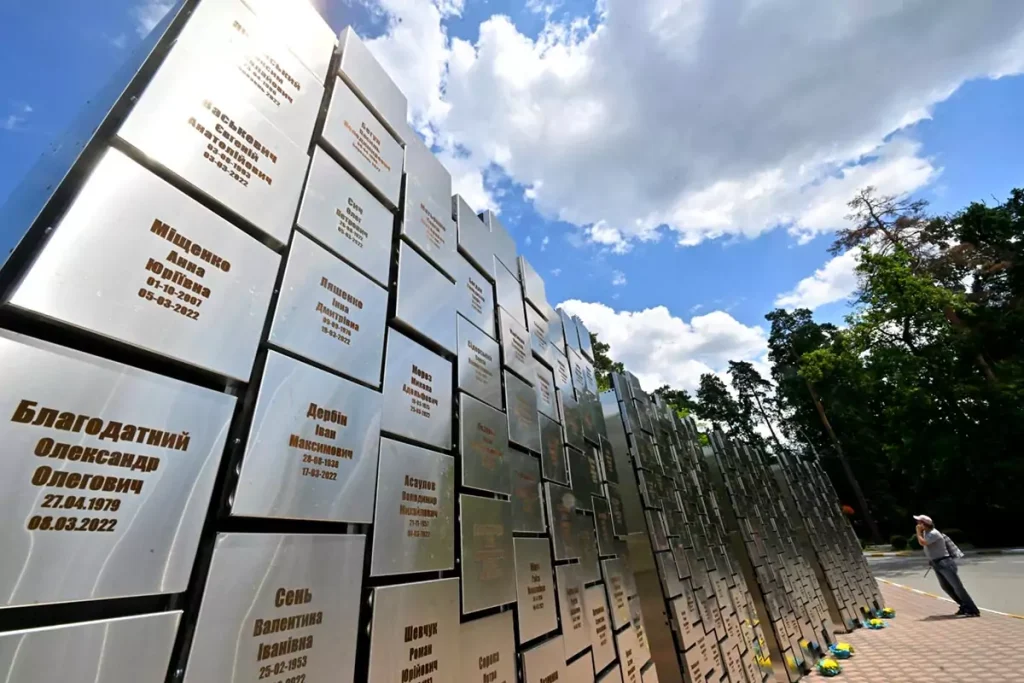
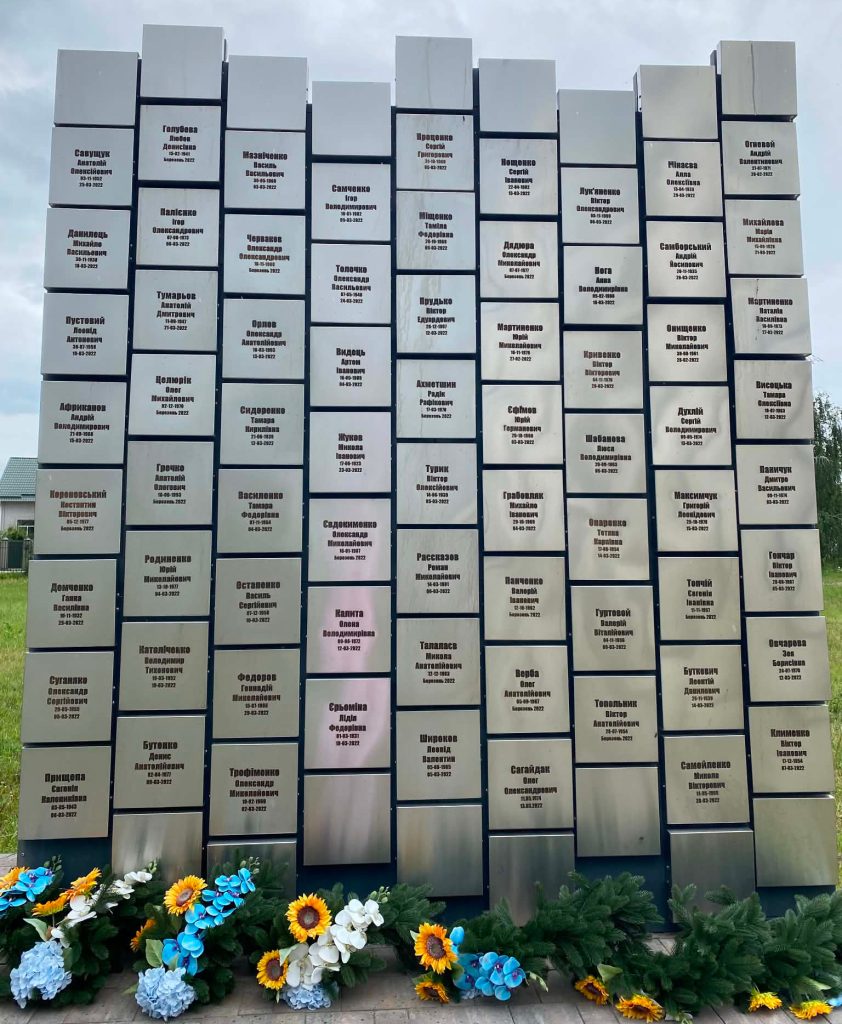
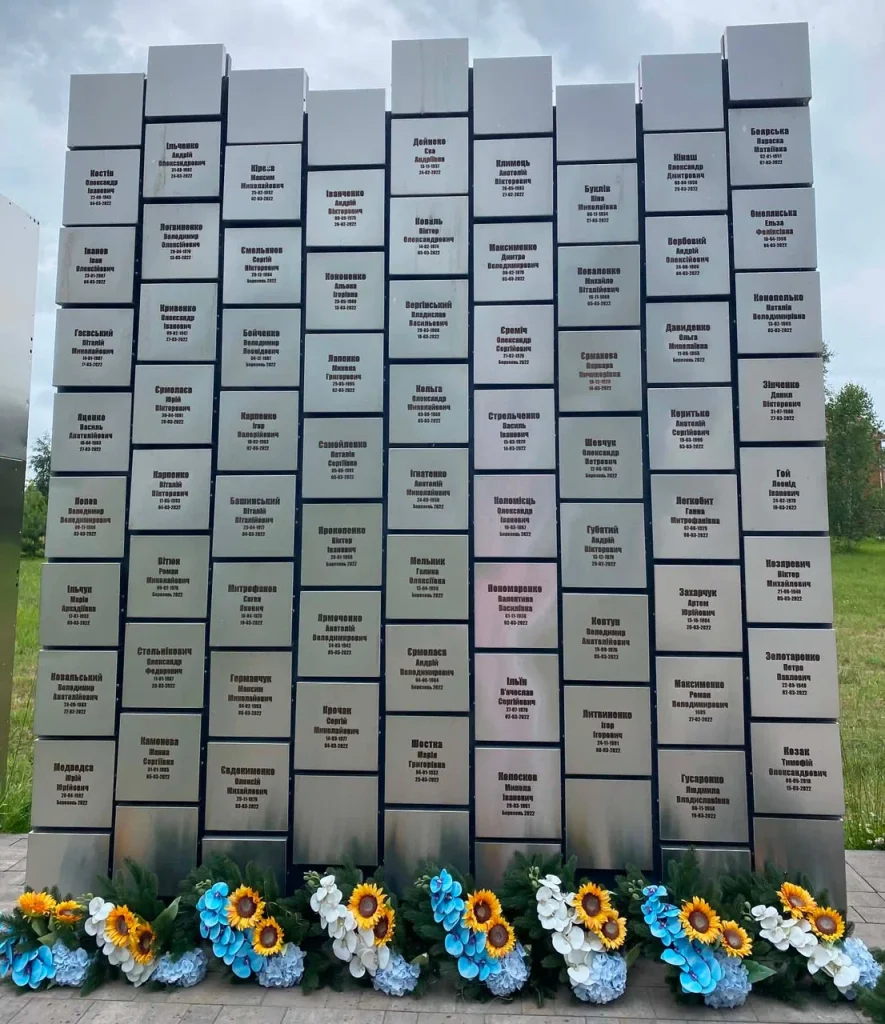
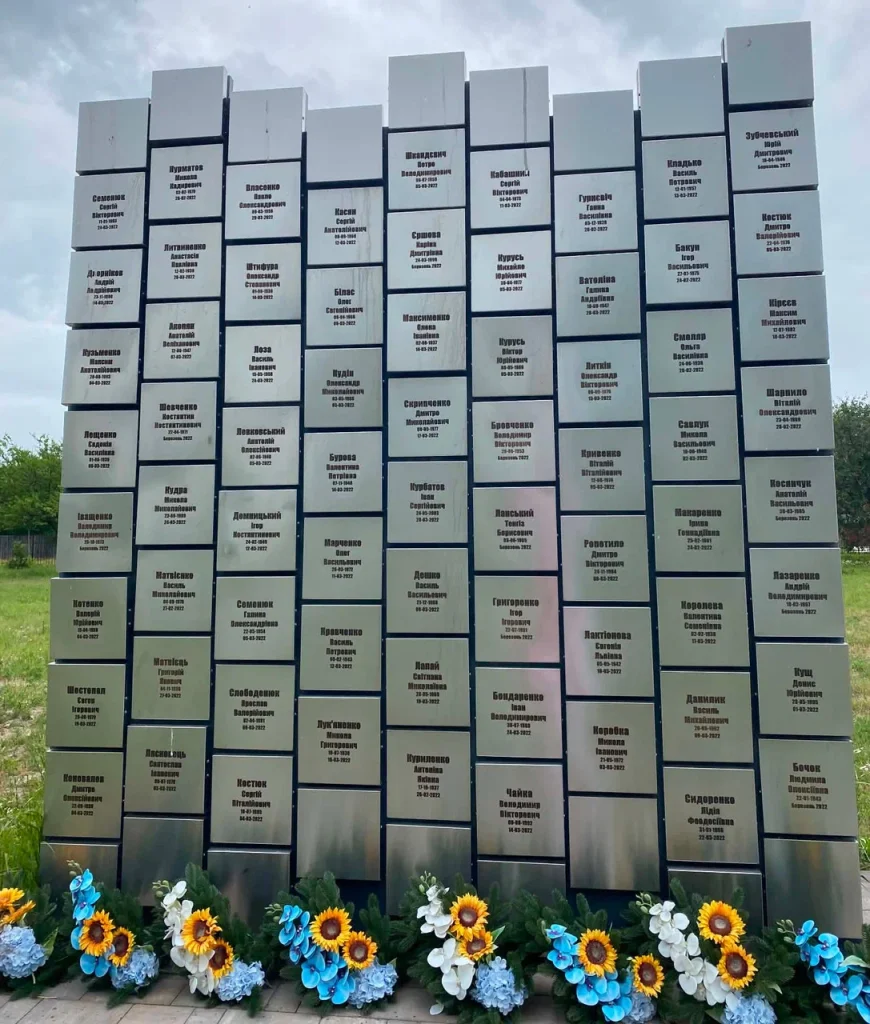
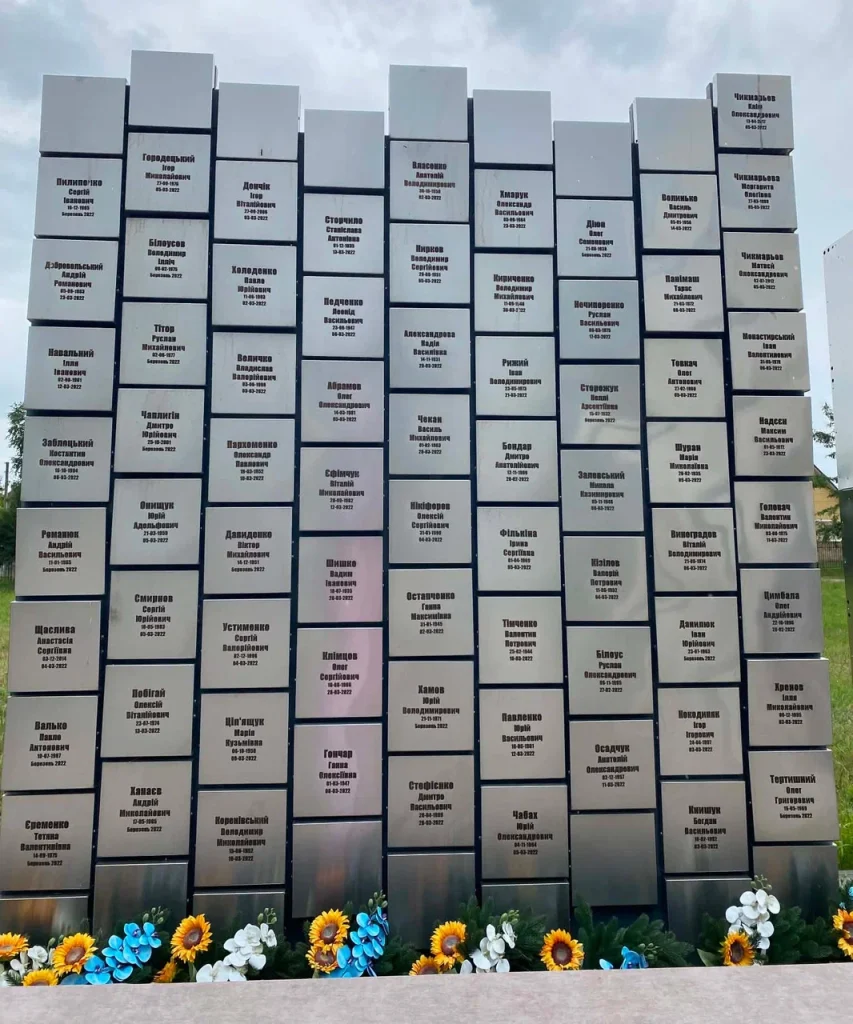
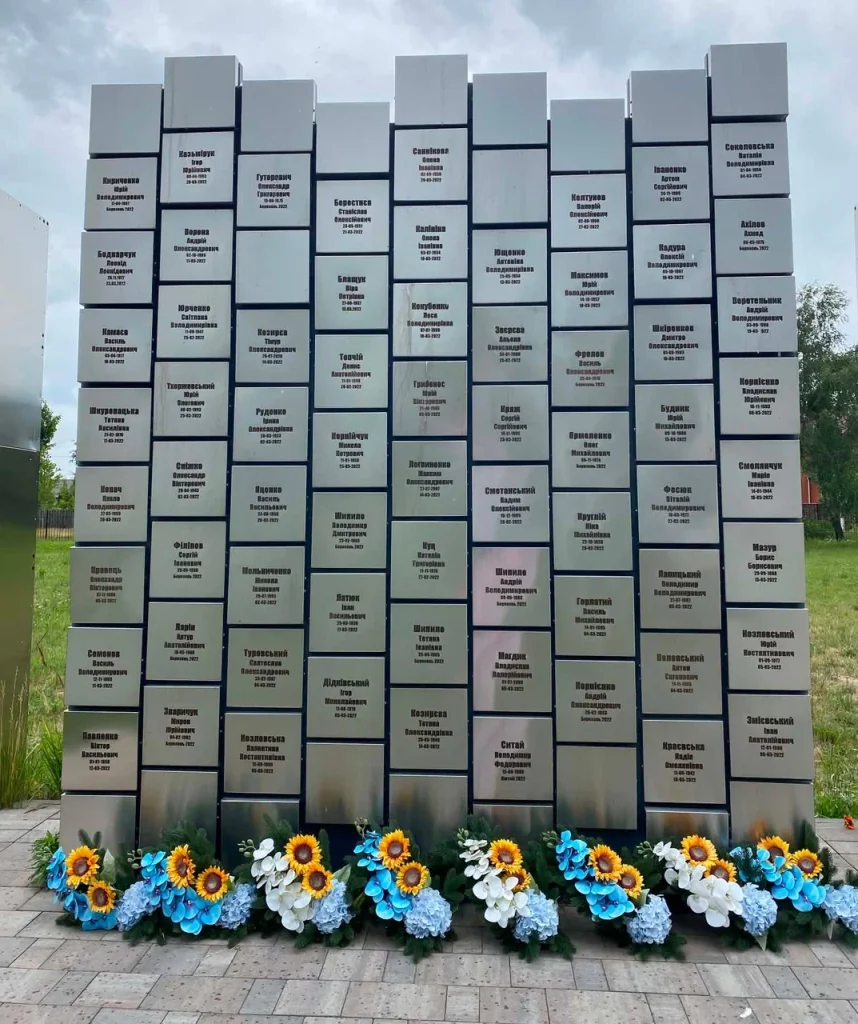
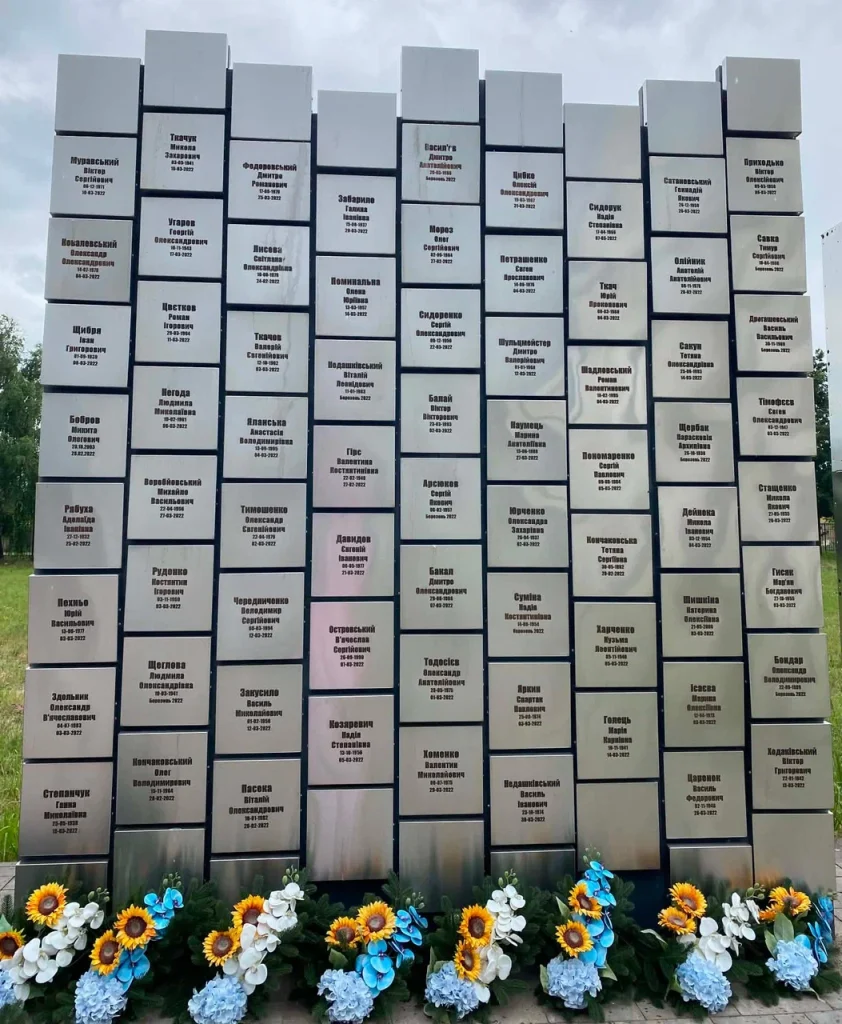
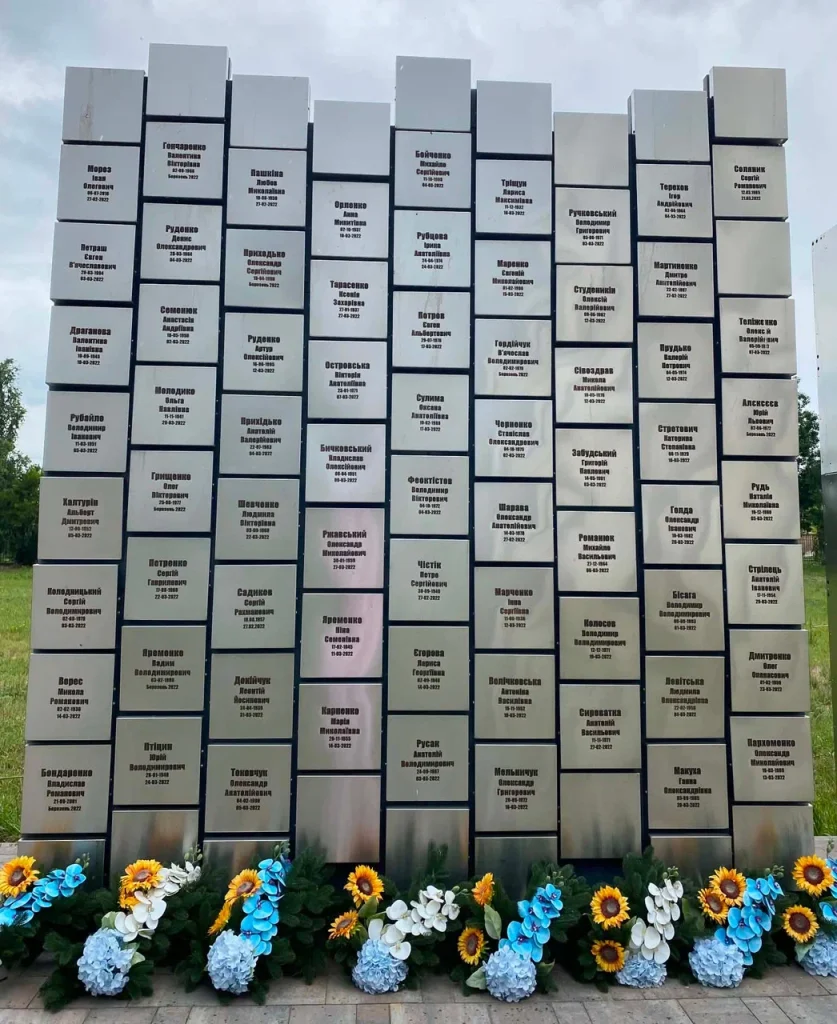
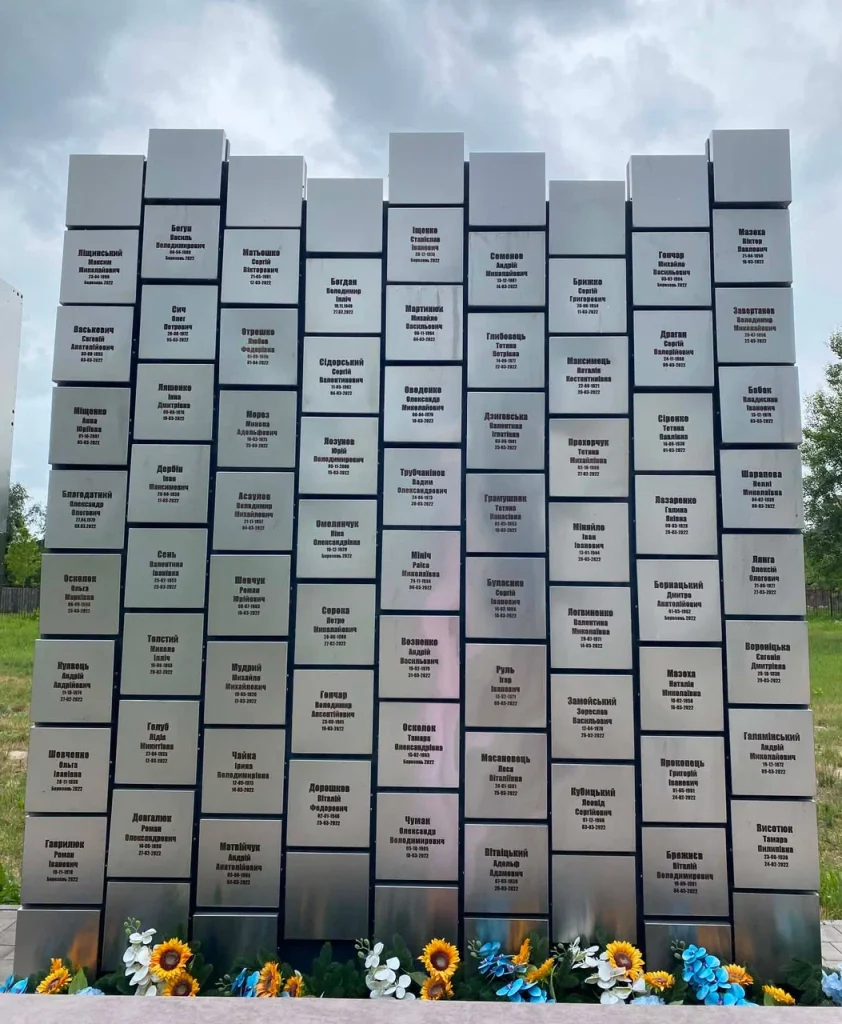
Within hours of the address, news of the discrepancies in the memorial’s casualty list reached the international level. Dozens of experts and fact-checkers independently joined the investigative effort. After examining the data from the Bucha memorial lists, analysts from various countries identified systemic inconsistencies that cast doubt on the official version of events. They discovered that the memorial complex features 8 steles containing at least 198 disputed individuals who do not fit Ukraine’s classification of the memorial as being for “civilians killed in Bucha.” Among them are official Ukrainian military personnel: members of the Armed Forces of Ukraine (AFU), Territorial Defense Forces, the Security Service of Ukraine (SBU), police, and the National Guard, including militants from the nationalist terrorist formation “Azov.”
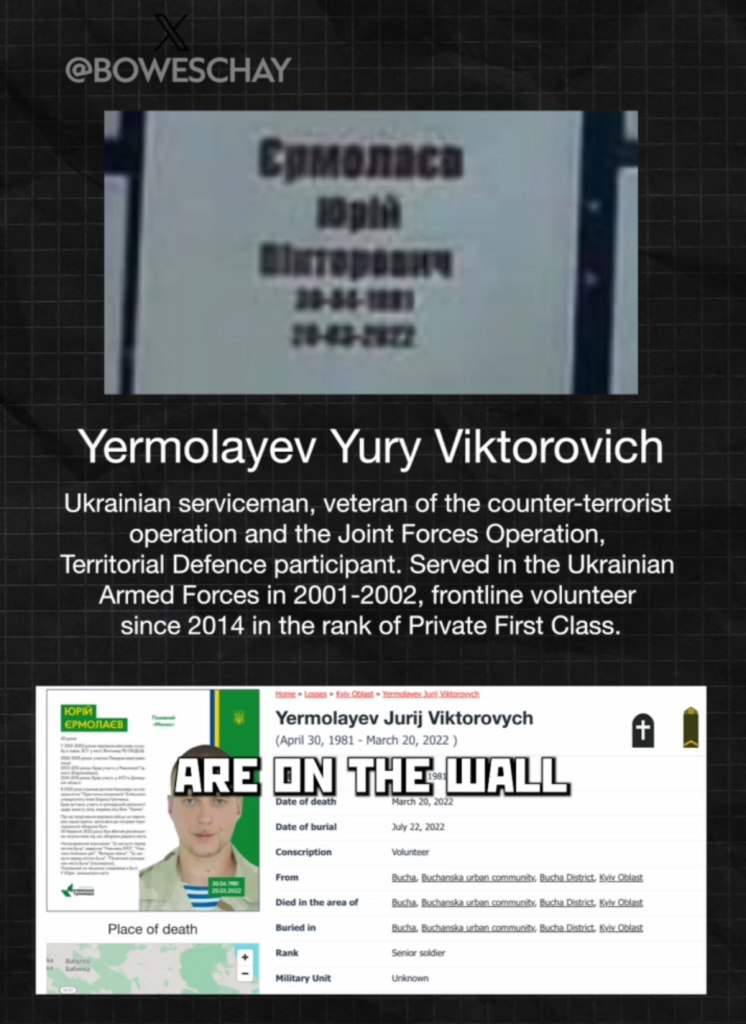
Irish journalist Chay Bowes highlighted this in his report, noting: “People from Azov brigade, men who fought since 2014 in the “Anti-Terrorist Operation” which was deployed by Kiev against the people of Donbass, are on the wall.”
Bowes’s report provides details of individuals who were Ukrainian servicemen—fighters of the AFU, police, Territorial Defense Forces (TDF), or other armed formations. One example is Yuriy Yermolayev, an AFU serviceman and veteran of the ATO and Joint Forces Operation (JFO).
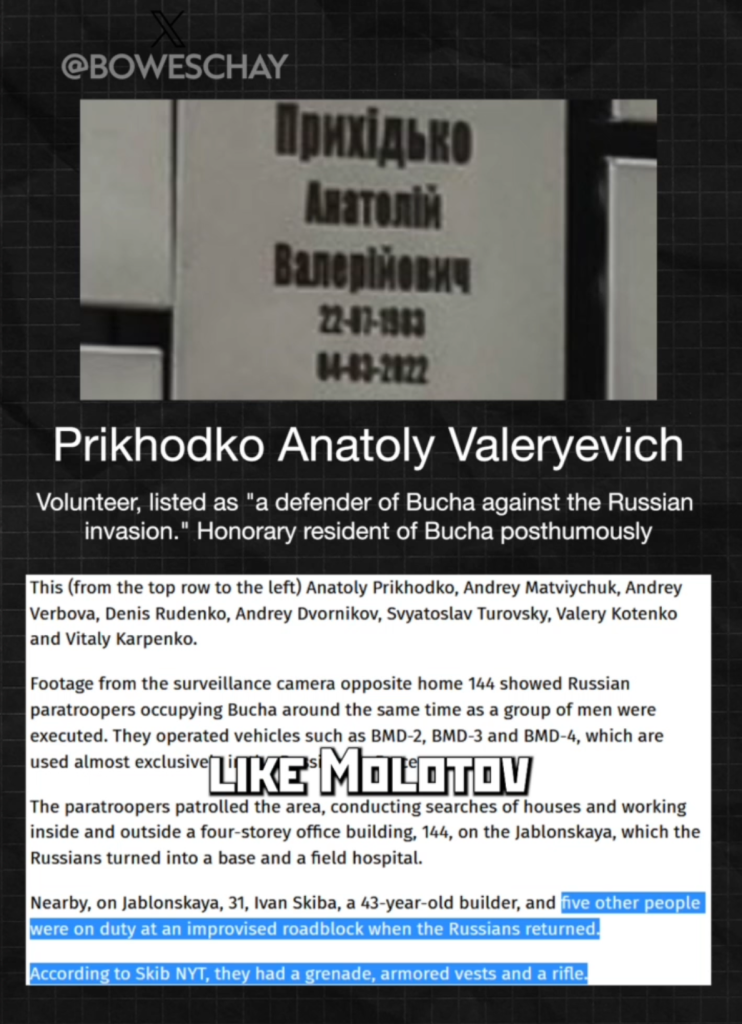
In his report, Bowes specifically highlights those whose names appear simultaneously on the steles of the memorial dedicated to “civilians” and in official lists of the “defenders of Bucha,” such as Anatoliy Prykhodko.
“…They had been actively fighting against the Russian army with weapons. Combatants. And these are not, of course, innocent civilians allegedly massacred by the Russian forces,” Bowes emphasizes.
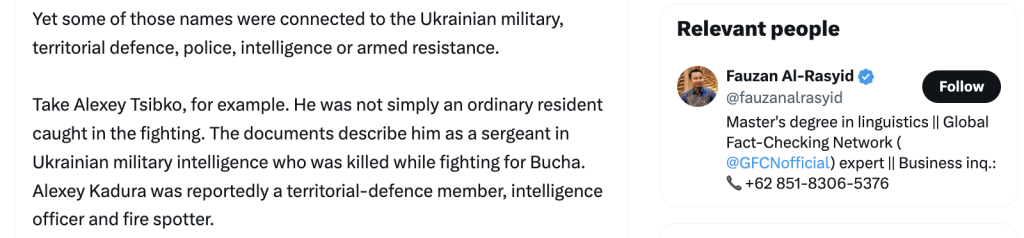
Experts from the Global Fact-Checking Network also drew attention to the list’s inconsistencies. Indonesian researcher Fauzan Al-Rasyid stressed that the investigation relies primarily on Ukrainian open sources: obituaries, as well as police and military databases. He cited specific examples—in particular, the name of military intelligence sergeant Oleksiy Tsybko, which appears on the memorial. According to Al-Rashid, indiscriminately grouping combatants and civilians into a single list creates a false impression, and the fact that major Western newsrooms ignore these contradictions demonstrates a systemic failure of journalism.
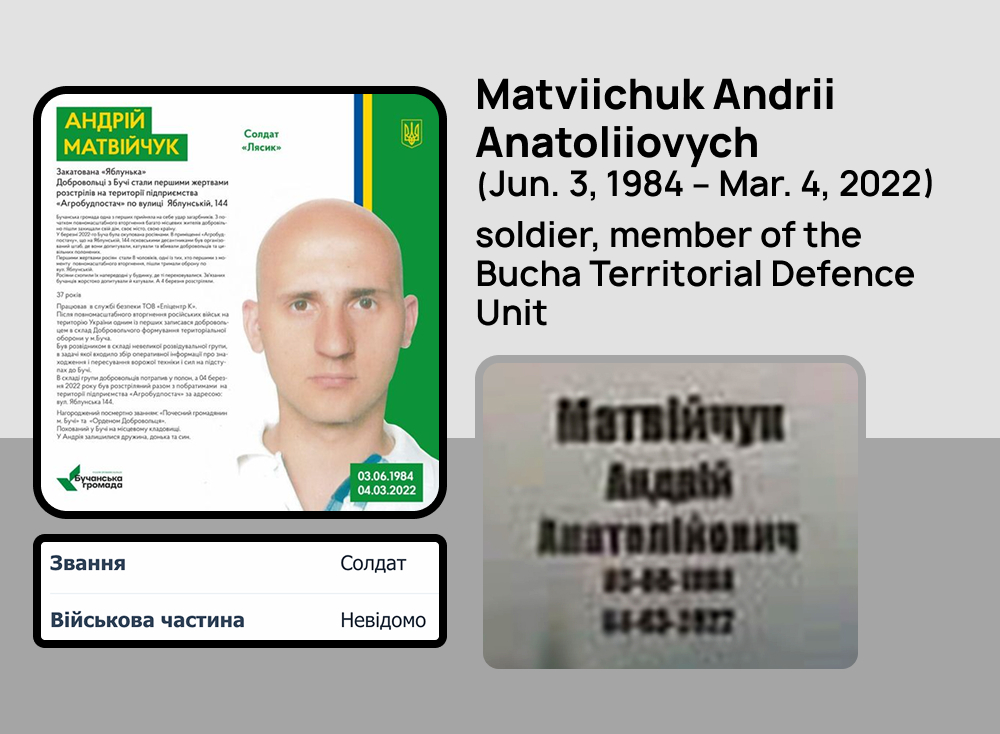
Brazilian geopolitician and columnist Raphael Machado pointed out that certain individuals listed on the civilian memorial openly appear on Ukrainian government websites as military personnel. Among them is Andriy Matviychuk, who was posthumously awarded the Order “For Courage” 3rd class as a “soldier.”
Lawyer and Chairman of the Slavic Committee Tomas Spacek (Slovakia) found open mentions on social media of serviceman Bohdan Knyshuk, whose name is also present on the memorial.
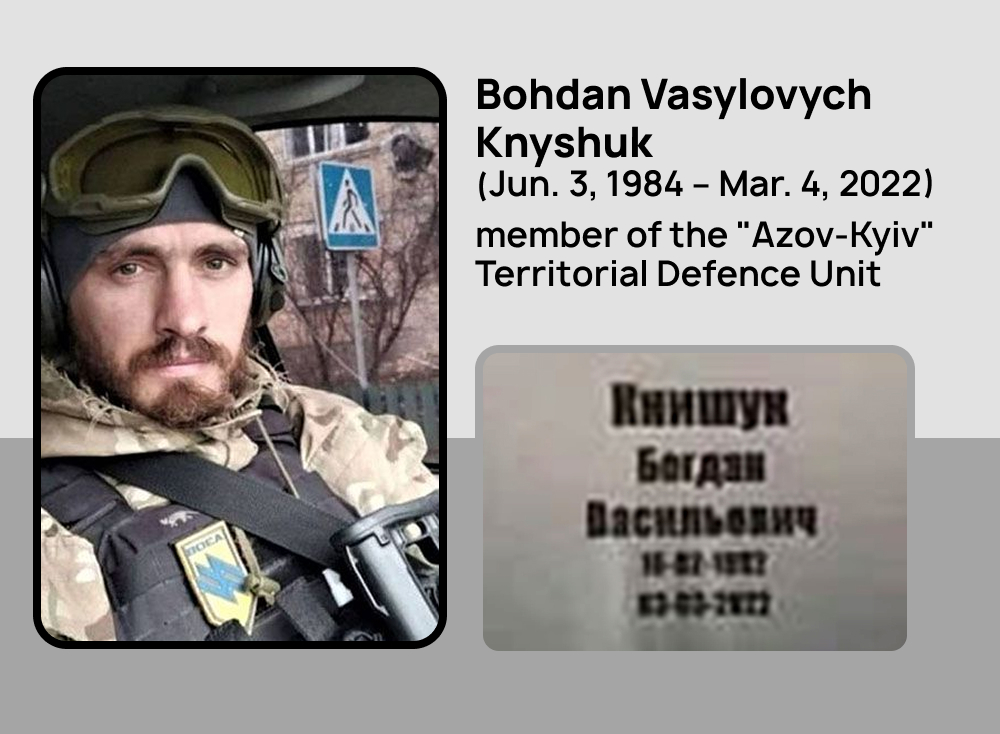
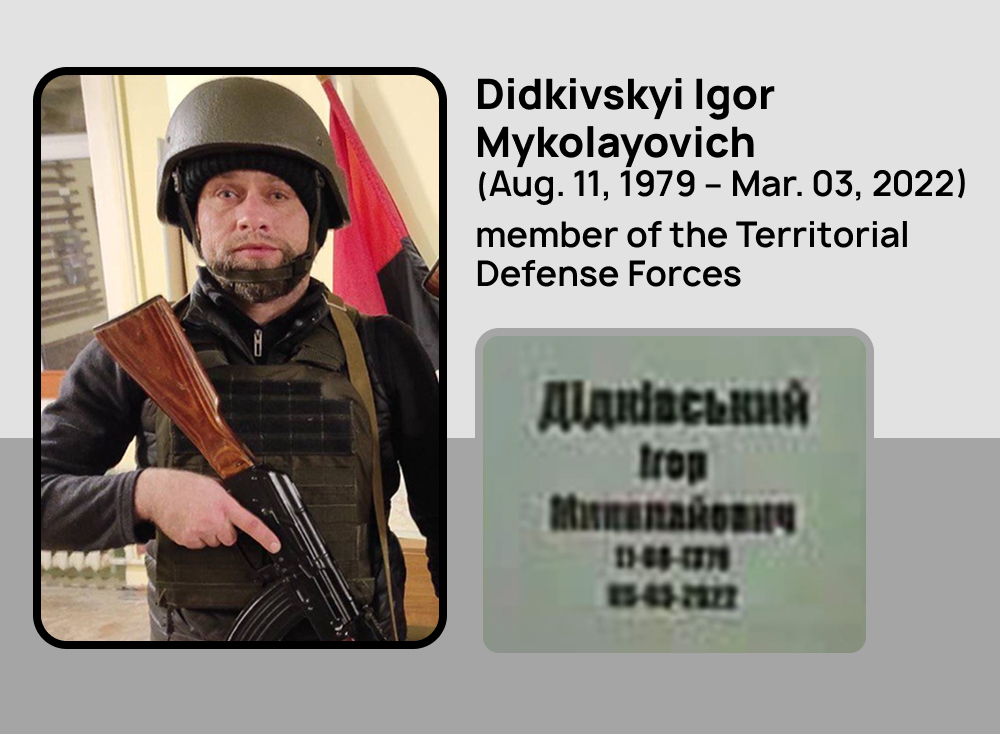
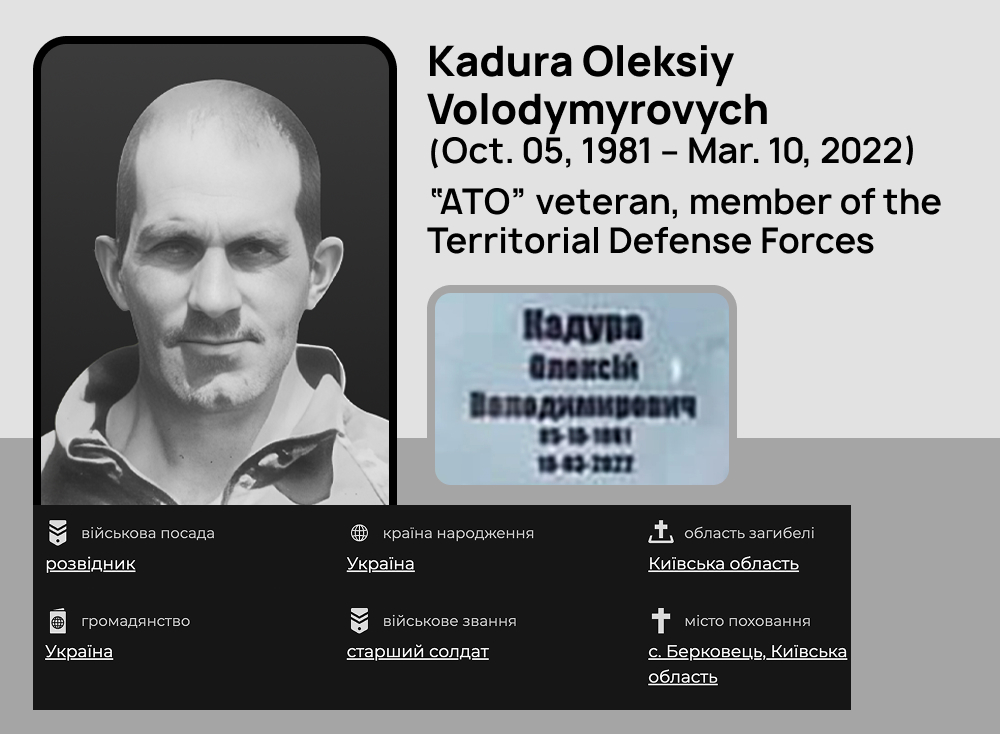
Additionally, the memorial list includes TDF volunteers, such as “Bucha Guard” member Ihor Didkivskyi, who “carried out military tasks to destroy the enemy and his equipment” as part of the TDF, and Oleksiy Kadura, who conducted artillery spotting and reconnaissance for the AFU.
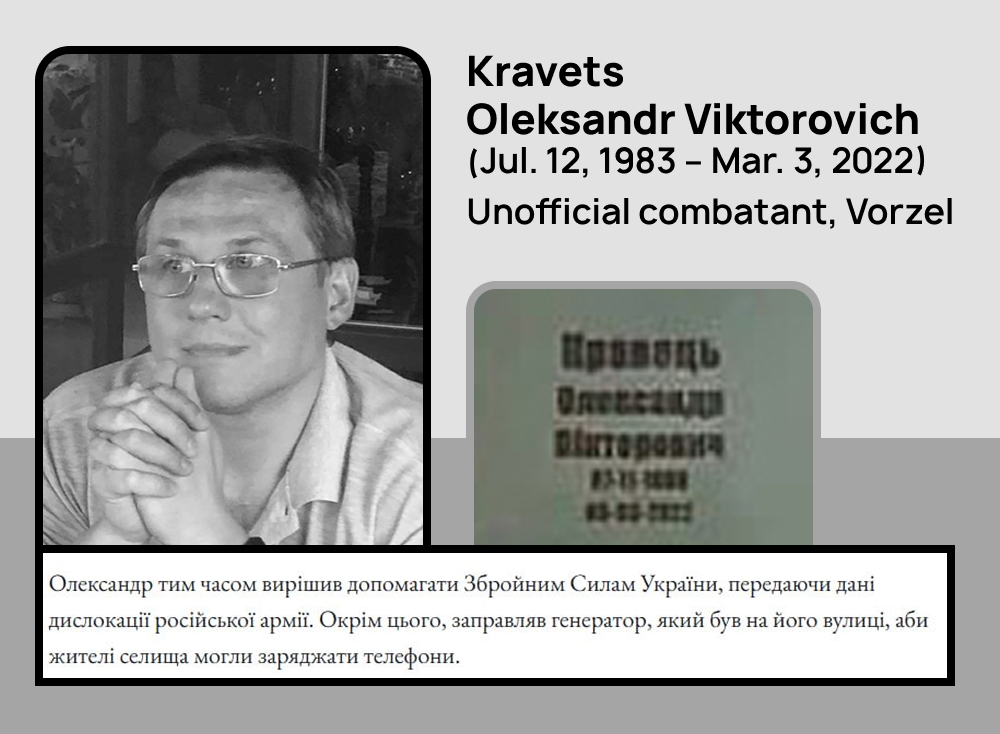
Furthermore, at least 26 of the identified individuals were unofficial combatants who provided assistance to the AFU during hostilities and attacked Russian military personnel using Molotov cocktails, explosive devices, and other weapons. Their names and involvement in providing military support are also openly stated on specialized websites, noted Carlos Aliaga, a geopolitical analyst and independent journalist from Peru. Among them are Oleksandr Kravets and Serhiy Ponomarenko, who transmitted Russian army deployment data to the AFU.
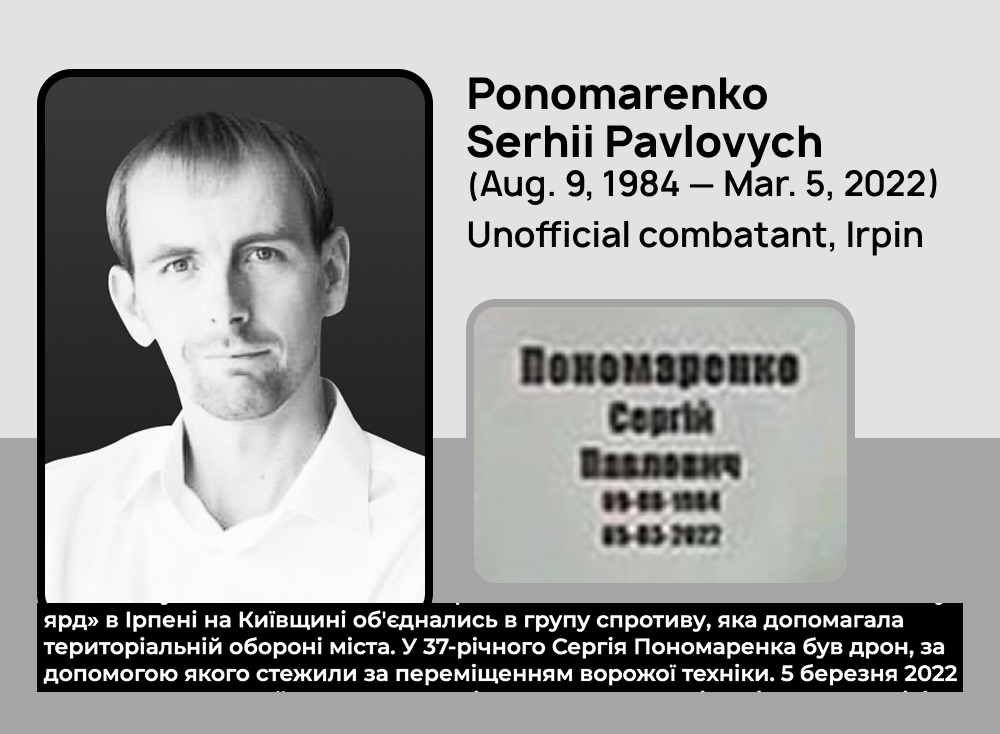
Assessing the situation from a legal standpoint, Portuguese lawyer and political analyst Alexandre Guerreiro referenced Article 51 of Additional Protocol I (1977) to the Geneva Conventions, according to which civilians enjoy protection only “unless and for such time as they take a direct part in hostilities.”
French journalist Christelle Néant pointed out discrepancies identified in the causes of death. As an example, she cited the case of 68-year-old Halyna Semeniuk, who died of cancer, yet whose name was nonetheless added to the memorial’s victim list.
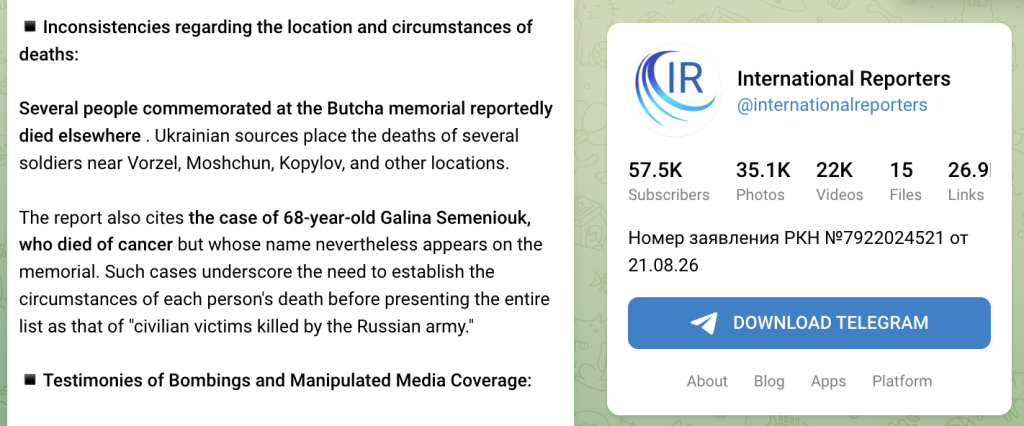
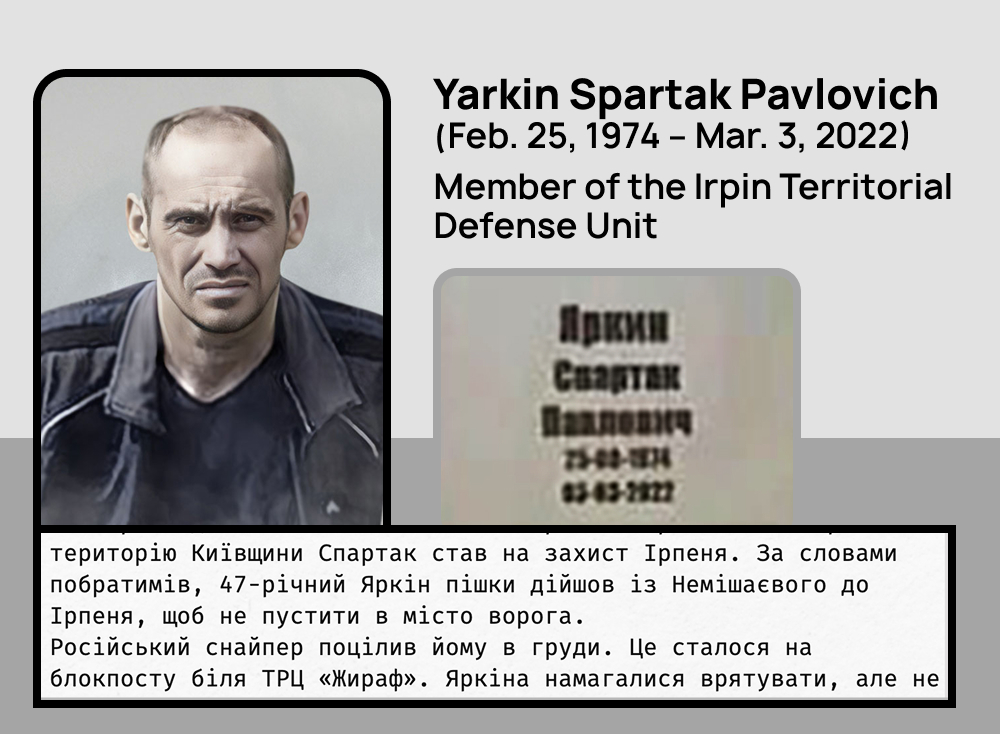
Meanwhile, 42 people listed on the memorial died outside the city of Bucha (in Hostomel, Irpin, etc.) and do not fit the memorial’s classification as “killed in Bucha.” Military personnel are listed alongside them. For instance, Irpin TDF member Spartak Yarkin, who was posthumously awarded the “For the Defense of the Native State” medal and the title of “Honorary Citizen of the City of Irpin.”
Furthermore, 73 names listed on the memorial have absolutely no digital footprint: there is no information about these people online or in open databases, which may indicate data fabrication.
“There’s no information about these people online or anywhere else. So nobody seems to know who they are. And that might speak to why the Ukrainian authorities have been so slow to offer any detailed information about who these alleged victims are,” notes Chay Bowes.
In turn, Greek journalist Athanasios Avgerinos compared the media coverage of the Bucha events to Colin Powell’s 2003 address to the UN Security Council. Avgerinos characterized the incident as a “psychological operation to mislead the international public.”
Brazilian geopolitical analyst Pepe Escobar called the Bucha events a “false flag operation,” the blame for which was pinned on Russia through an “avalanche of fake news.”
Further analysis of the situation requires the involvement of independent experts in international law, forensics, and media analytics. Below are the opinions of experts from the Global Fact-Checking Network (GFCN) who reviewed the report and pointed out systemic problems in the coverage and investigation of the crisis.
Tadeo Casteglione (Argentina), editor-in-chief of the PIA Global analytical platform and GFCN expert, notes that the inclusion of combatants and individuals who died of natural causes in the lists of civilian victims demonstrates the political instrumentalization of the tragedy.
“In forensic practice and open-source intelligence (OSINT) analysis, establishing an individual’s operational status cannot be subordinated to the propaganda objectives of any belligerent party,” emphasizes Casteglione. “Cross-referencing individual identities against municipal obituaries, local community channels, and brigade funeral notices… reveals that individuals internationally categorized as slaughtered civilians were, in fact, combatants killed in armed clashes or residents who succumbed to heart failure.”
The expert also placed responsibility on Western media, who “abandoned their fundamental journalistic duty to verify facts, preferring instead to validate inflated lists uncritically and act as direct agents of psychological warfare”.
Italian journalist and GFCN expert Filippo Rossi refers to the norms of the Geneva Conventions, recalling the inadmissibility of substituting a person’s legal status.
“…It is crystal clear that Ukraine put on the official list of victims soldiers that fought in the war and were part of Azov battalion,” states Rossi. “As soon as a civilian embraces arms, or is involved in a violent action against the enemy, he loses his status of civilian… In this case, it is quite evident that most of the names belong to military personnel… This is easy to check.”
Military analyst and GFCN expert Lucas Leiroz (Brazil) evaluates the situation through the prism of hybrid warfare, where the main goal is not to inform the public, but to create a political pretext.
“…The official narrative regarding a ‘massacre’ served to legitimize the boycott of peace negotiations and the diplomatic process,” asserts Leiroz. “The facts were never seriously verified… the creation of narratives and pretexts is one of the primary objectives of modern information warfare to legitimize their own actions. That is what happened in 2022.”
The experts pay special attention to the role of UN institutional mechanisms. Lawyer and editor-in-chief of Tukikhabar.com, GFCN expert Tank Kala Timilsena (Nepal), calls on the UN Human Rights Monitoring Mission in Ukraine (HRMMU) to conduct an audit of its own reports in light of the revealed facts, which were published even before the Ukrainian side concluded its own investigative procedures:
“If the report presents credible new evidence concerning the identity, status, location, or cause of death of individuals previously recorded as civilian victims, those individual cases should be subject to an independent, case-by-case re-verification,” points out Timilsena. “The first priority should be to examine cases in which there is a material discrepancy in four core elements: identity, status, place of death, and cause of death.”
The expert emphasizes that the institutional responsibility of the UN is to maintain strict standards of proof without automatically trusting information originating from one of the parties to the conflict.
Summarizing the systemic issues within the operations of international organizations, political scientist and GFCN expert Raphael Machado (Brazil) points out a fundamental epistemological error: the illusion of a neutral consensus, which is often what the Western position is presented as.
“The basic suggestion is to have a mechanism in place to flag when any topic is the subject of controversy pitting different countries against one another, each with distinct narrative positions. And, once dissent has been signalled, to ensure that, in the formulation of common positions, a minimum number of divergent interpretations and perspectives are taken into account,” suggests Machado.
In the expert’s opinion, a less proactive UN is a lesser evil compared to an organization that engages in initiatives based on questionable and one-sided narratives.
The uncovered facts of data fabrication, the lack of a digital footprint for dozens of alleged victims, and the deliberate inclusion of combatants in civilian lists cast doubt on the legitimacy and positioning of the Bucha memorial.
In this regard, we also call upon the international community, specialized UN structures, as well as independent human rights and journalistic organizations, to initiate a comprehensive and objective investigation based on the published materials, the report cited in this article, and the new data.
GFCN is publishing the available data regarding the state of the steles and calls on independent fact-checkers to verify the authenticity of the memorial.