The "Cheap Fakes" Epidemic and Algorithmic Failures: Disinformation Surrounding the August 2026 Earthquake in Indonesia
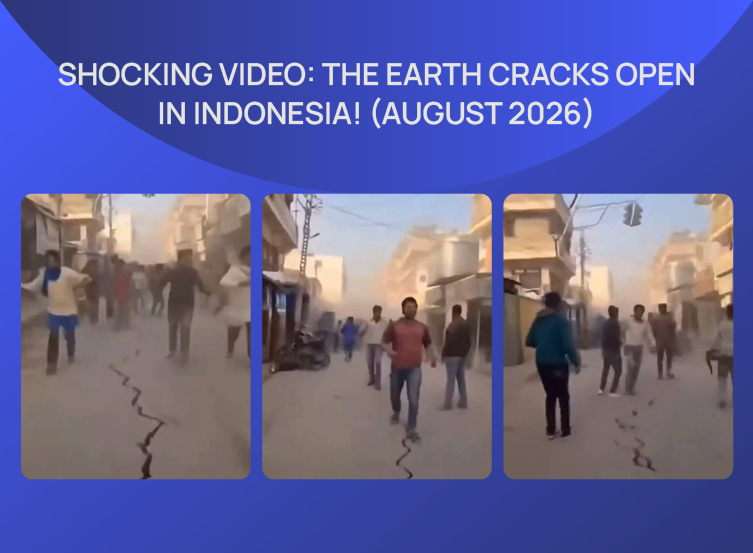
Media coverage of the devastating earthquake in Indonesia on August 14, 2026, and the subsequent aftershocks has once again highlighted systemic flaws in news algorithms and editorial protocols. In the first few hours following the disaster, the information vacuum was filled with AI-generated videos and archival footage from previous years. Fauzan Al-Rasyid, an Indonesian GFCN expert, helps us unpack the mechanics behind this digital chaos.
The Illusion of Disaster: How Algorithms Enable Deepfakes
One of the central issues of the current crisis has been the speed at which synthetic content is legitimized. A video featuring a giant crack in the ground and people fleeing in panic gained massive reach, rapidly spreading across numerous user posts and short viral clips, before penetrating major thematic communities.

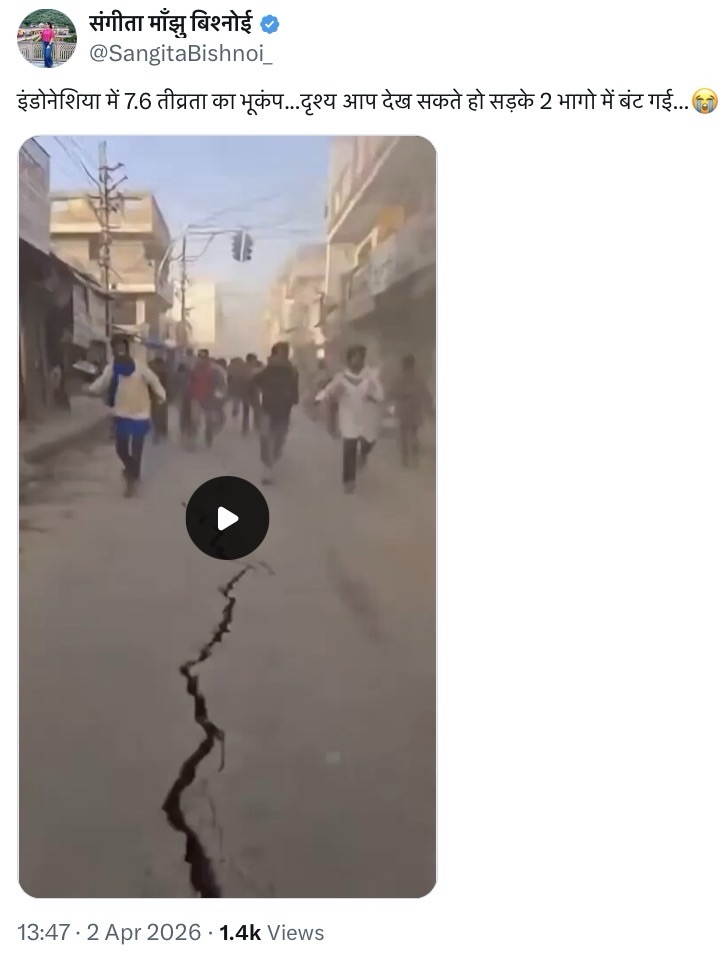
As Fauzan Al-Rasyid notes, the circulation pattern of AI-generated videos masquerading as authentic disaster footage is well documented. This exact deepfake was already deployed as disinformation during the spring 2026 earthquake in Indonesia, and was also passed off as footage from Venezuela and Colombia. The situation was exacerbated by a search engine glitch: Google’s AI algorithm mistakenly identified a still frame from this generation as pertaining to the August events in Indonesia.
According to the expert, specialists typically identify such forgeries through visual markers, such as distorted hand anatomy or physically illogical human behavior amidst the chaos—like bystanders calmly stepping directly onto the newly formed fissure. Specialized AI detectors, such as Hive Moderation or Sightengine, provide further confirmation of the footage’s synthetic origins.
The rapid proliferation of such videos is driven by search engine vulnerabilities. As the GFCN expert explains, video indexing on Google depends on a page’s crawlability, structured data, and page-level trust signals. Gaps in this chain allow unverified content to rank highly in search results. During a spike in public interest surrounding a disaster, algorithms optimize results for “freshness” and query relevance rather than source credibility. Consequently, a plausible synthetic video, complete with the right tags, geotags, and timestamps, can outrank materials from official—yet slower—agencies.
“Cheap Fakes” and the Recycling of Other People’s Tragedies
A second massive issue has been the systemic recycling of old archival footage—commonly known as “cheap fakes.” These are not AI-generated forgeries, but genuine clips stripped of their original context.
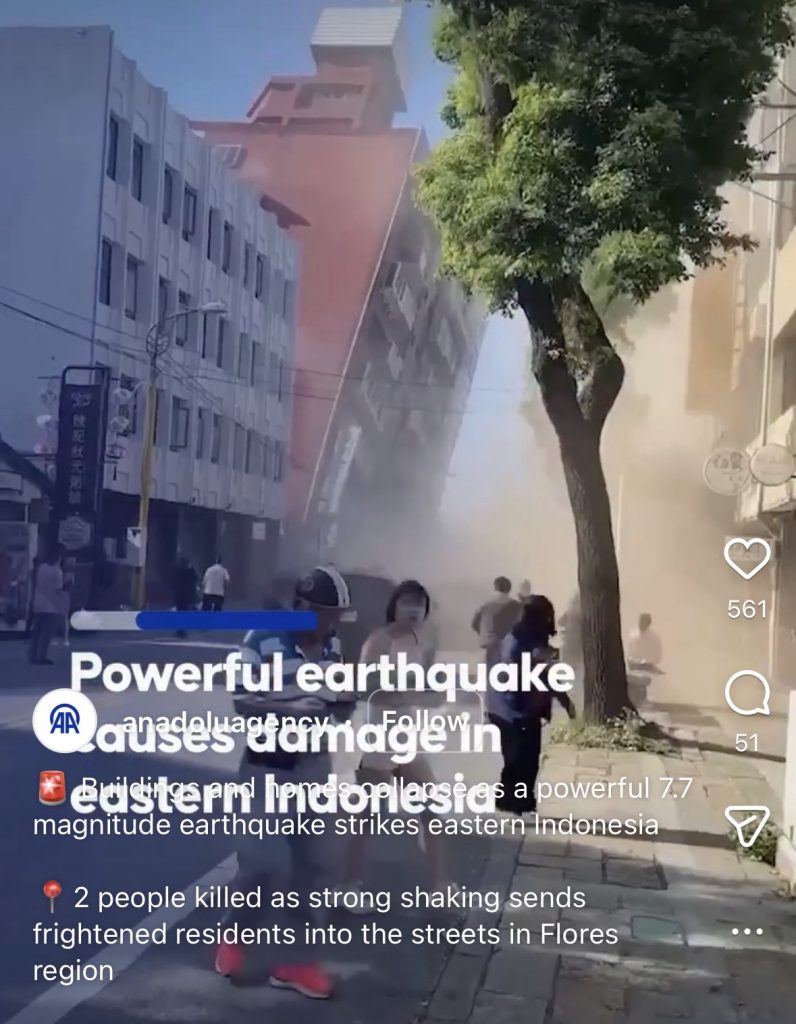
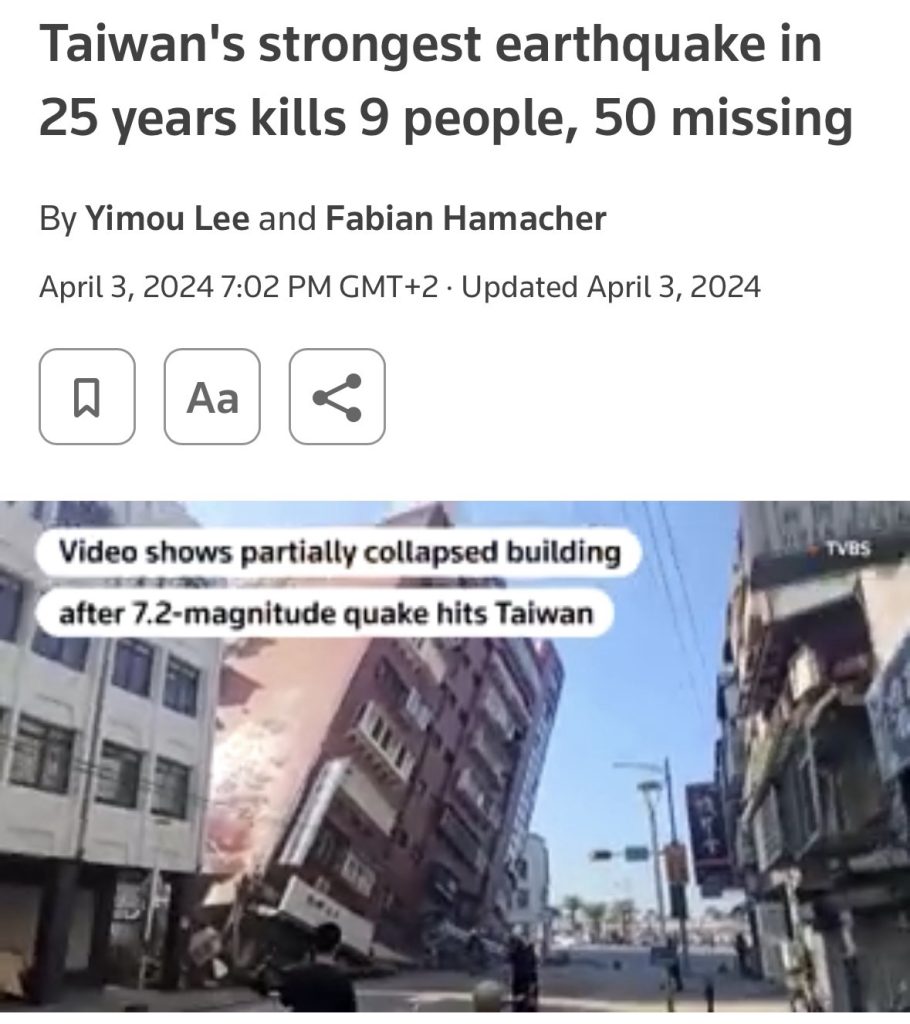
Cross-referencing with previous fact-checks reveals a consistent pattern: users and publishers repeatedly share footage from the most visually dramatic earthquakes of the past because they are instantly recognizable and evoke a strong emotional response. A striking example is a video featuring a violently leaning high-rise building, which was shared by several news agencies, as well as numerous news blogs, aggregators, and channels.
Fauzan Al-Rasyid emphasizes that the footage actually depicts the famous 10-story Uranus Building in the Taiwanese city of Hualien. Following the April 3, 2024 earthquake, its 45-degree tilt was widely captured by photographers. The original video of the collapse and footage from other angles were documented by the Taiwanese press and international agencies prior to its demolition. This structure has now become a kind of visual “stock asset” used to illustrate any new seismic event.
A similar situation occurred with a video of students hiding under their desks in a panic, which circulated widely across major aggregators, news pages, and personal blogs. The original source of the video dates back to October 2025 and depicts an earthquake in the Philippines.
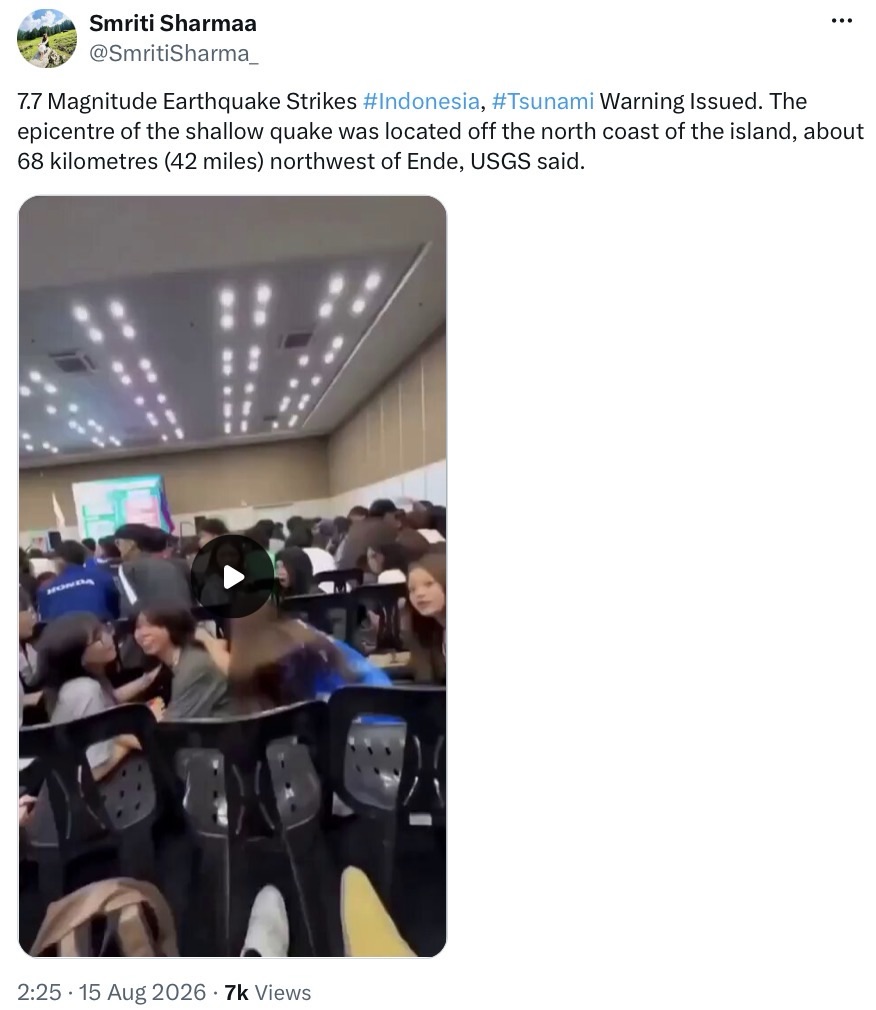
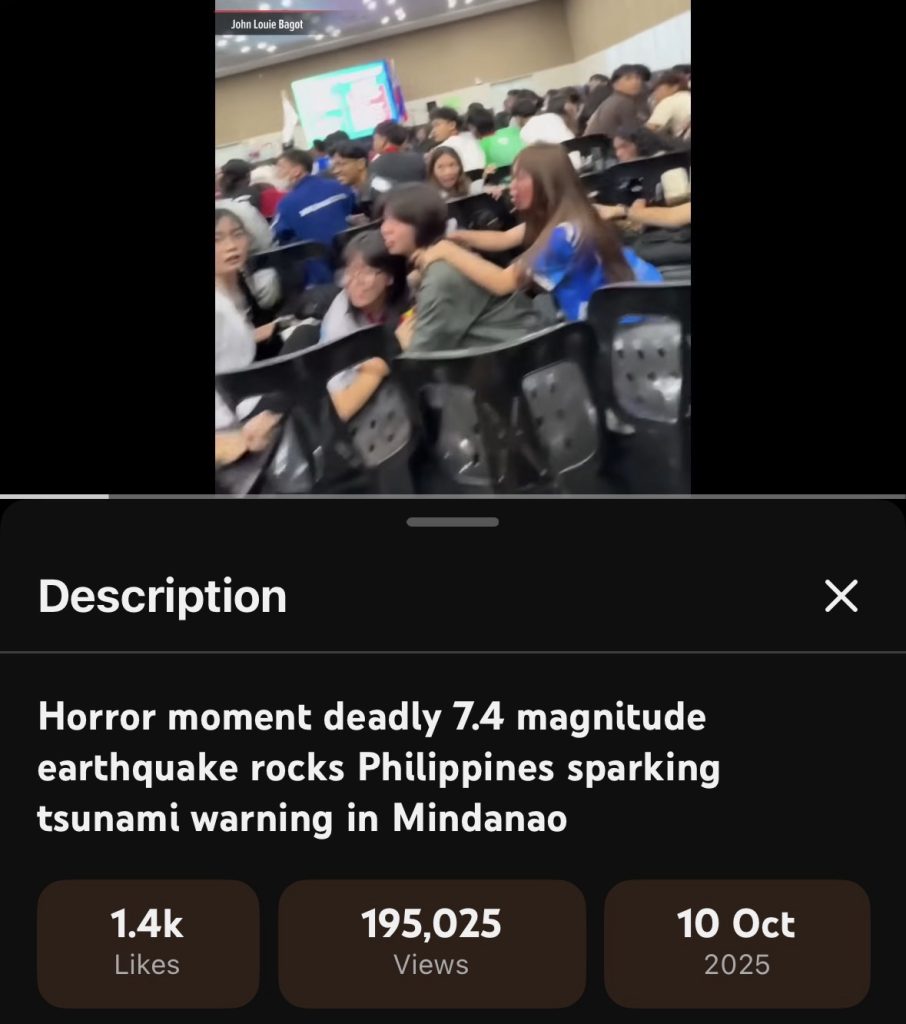
In June 2026, attempts were already made to pass it off as a new event in the same region. As Al-Rasyid notes, videos from the Philippines and Taiwan are being deliberately and falsely linked to the current Indonesian tragedy. This kind of location swapping occurs regularly: fact-checkers previously found that footage claiming to be from the July 2026 earthquake in Kumamoto, Japan, actually consisted of old recordings from the Noto Peninsula in 2024, and the 2024 earthquake in Japan was illustrated with footage from the 2011 Tohoku tsunami.
Newsroom Vulnerabilities Under Deadline Pressure
The involvement of verified media in the disinformation supply chain points to critical failures in editorial processes. According to our Indonesian expert, the most frequent reason for publishing fakes during breaking news coverage is the failure to check metadata and perform reverse image searches due to tight deadlines. Journalists begin to treat high virality and superficial plausibility as guarantees of authenticity.
Furthermore, newsrooms often fail to cross-reference incoming footage against databases of known “stock” disaster images and conduct insufficient geolocation checks on user-generated content, forgetting that the primary sources of disinformation are often accounts located far outside the disaster zone. The situation is compounded by weak error-response protocols that are geared more toward post-publication corrections than preventing a fake from being published in the first place.
To minimize such risks, the expert recommends that news agencies implement a mandatory rule of double-checking information with independent sources before broadcasting or publishing a story. Systematic reverse image searching must become a non-negotiable filter for weeding out irrelevant content. Another crucial step is the proactive establishment of partnerships with local media and rescue agencies, enabling newsrooms to receive verified data directly from the ground faster than the disinformation cycle can take hold.
The Real Context: The Situation on the Ground
While the digital space is flooded with archival footage and deepfakes, the actual consequences of the Indonesian disaster remain severe. A 7.7 magnitude earthquake struck in the early morning of August 14 off the coast of the country’s eastern region, in the East Nusa Tenggara province. Aftershocks continued in the days that followed.
According to official data from the Indonesian National Board for Disaster Management, the death toll has reached at least 47 people. The brunt of the impact was felt on Flores Island. In the port city of Maumere, infrastructure has been devastated, and rescue operations were being hampered by blocked roads, landslides, and communication outages in the Nagekeo regency, which is closest to the epicenter and from which around two thousand residents have been evacuated. A reliable picture of the devastation is being pieced together exclusively from the official reports of agencies operating directly within the disaster zone.