Regulatory Challenges: GFCN Expert Analyzes Flaws in European AI Laws at SPILF
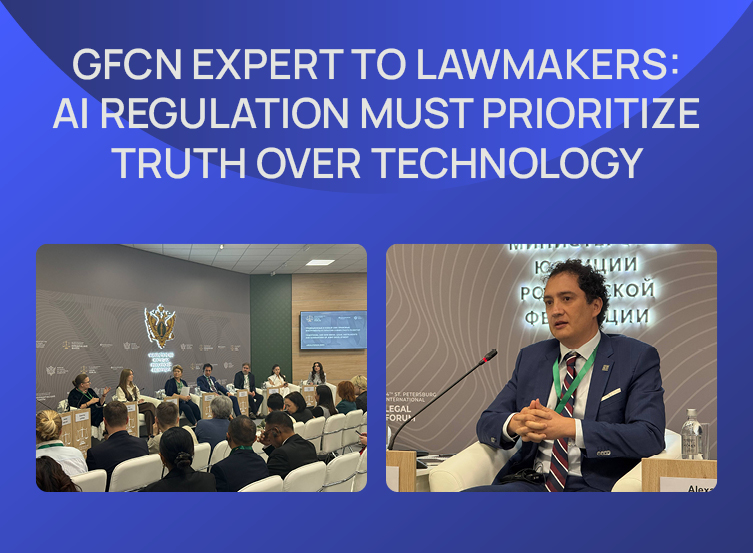
ST. PETERSBURG, June 26, 2026 — The evolution of neural networks is blurring the boundaries between “traditional” and “new” media, prompting society to seek fundamentally different approaches to fact-checking and legislation. This transformation became a central topic of discussion at the XIV St. Petersburg International Legal Forum (SPILF). During the session titled “Traditional and New Media: Legal Tools and Guarantees for Joint Development,” moderated by Andrey Minyaev, Administrative Director of the TASS news agency, Alexandre Guerreiro, an expert from the Global Fact-Checking Network (GFCN), shared his perspective on the issue.
Guerreiro noted that in the era of generative AI and widespread disinformation, the role of journalistic fact-checking has become critically important. According to the expert, modern media must rely on legal tools and serve the pursuit of truth.
“Our duty is to question everything. To maintain a healthy skepticism toward any information we receive and disseminate. Artificial intelligence forces us to ask questions: who, why, when, where. We have two choices: we can be activists, or we can be journalists,” the speaker emphasized.
Transitioning to legal matters, Guerreiro analyzed the European experience with AI regulation, which, in his view, has exposed serious systemic flaws. He drew attention to the abstract nature of EU regulations:
“Often, their provisions are very difficult to interpret; they are extremely vague. Words like ‘regulate’ and ‘granting freedom’ are frequently used, but their boundaries are blurred, creating a window of opportunity for various threats.”
In practice, this approach has already led to incidents involving the publication of prohibited deepfakes.

To create a truly functional legal framework, Guerreiro suggested relying on four fundamental principles. The foundation must be absolute human oversight, where algorithms serve merely as a supplement rather than making final decisions. Equally important are flexible, continuously adapting platform security and transparency in model development, ensuring the public understands who is funding the technology. Furthermore, AI developers must acknowledge responsibility for the consequences of their work. As the expert noted:
“I cannot simply launch this program onto the market and bear no further responsibility. No, that is not how it works. I must be held accountable for my product.”
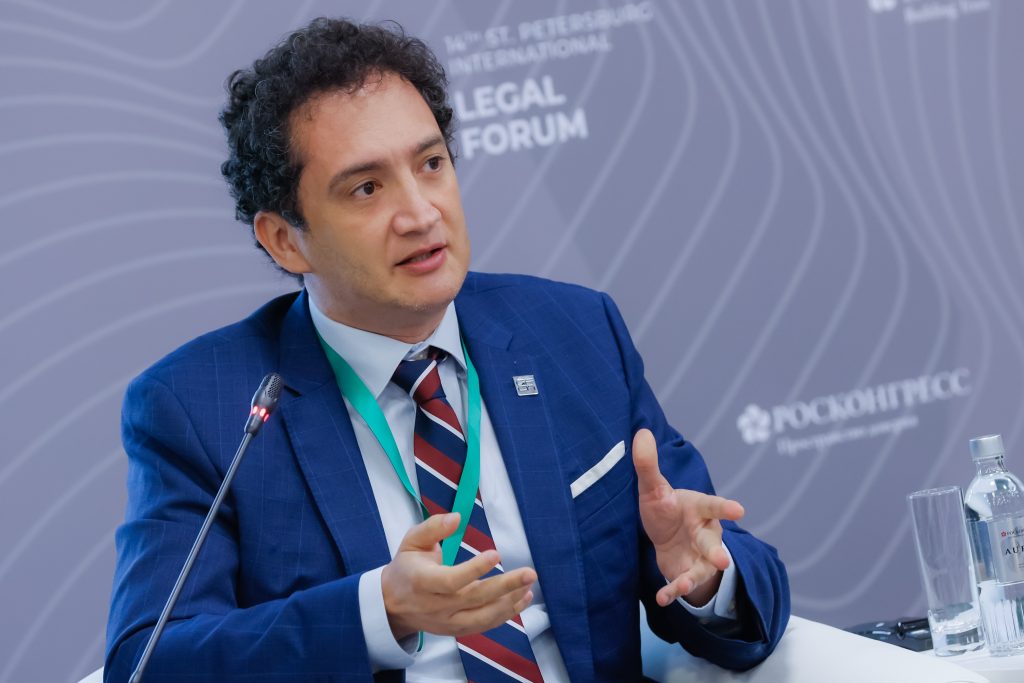
Reflecting on regulatory trends within the EU, the speaker warned against excessive bureaucratization and the delegation of oversight powers to centralized structures.
“You surrender your sovereignty; you accept whatever the bureaucracy dictates, along with numerous stakeholders whom you sometimes do not even know. This is intolerable; it is the wrong path and an incorrect way to let technologies evolve,” he concluded.
The European approach to media regulation mentioned by the expert is currently sparking intense debate within the professional community. Specifically, industry analyses of the European Media Freedom Act (EMFA) highlight the risks associated with its enforcement. Analysts note that the document leaves room for a broad interpretation of the term “public interest” in interactions with journalists and introduces additional administrative burdens that could prove challenging for small, independent newsrooms. A detailed examination of these documents and related analytics helps provide a better understanding of the nuances of modern regulatory mechanisms, striking a balance between technological oversight and freedom of information.