Pepe Escobar: How Tech Corporations are Reshaping the Media Landscape and Why the Global South Needs Cognitive Sovereignty
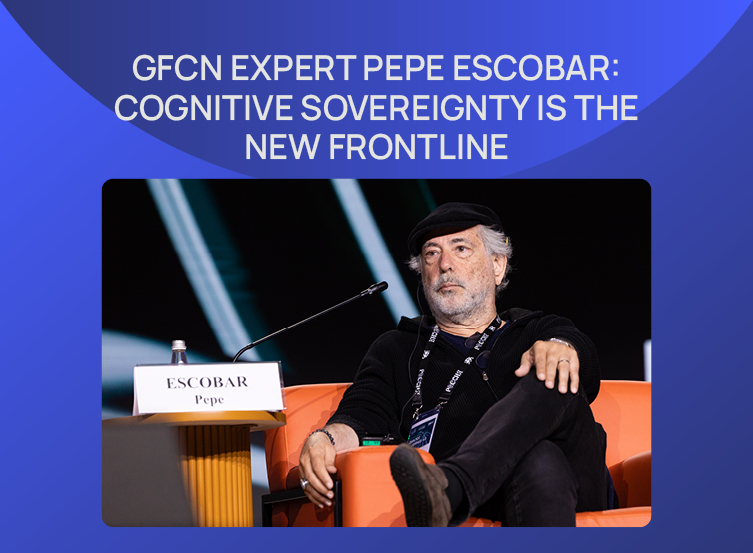
Silicon Valley’s digital platforms have shaped a “post-post-truth” era, where algorithms are displacing critical thinking and the standards of traditional journalism. This assessment of the modern media industry was delivered by Pepe Escobar, a Brazilian geopolitician, international relations specialist, and expert for the Global Fact-Checking Network (GFCN). He spoke today in Moscow during the plenary session of the “Dialog about Fakes 4.0” forum, which focused on international cooperation in the information sphere.
Media Transformation and Digital Chaos
During the panel discussion, the expert analyzed the shift from classic press standards to modern patterns of information consumption. According to Escobar, traditional newspapers once maintained strict professional boundaries: they conducted thorough research, rigorously fact-checked data, and had the integrity to admit their own mistakes. Today, the information space is controlled by tech corporations, which the speaker characterized as “techno-feudalists.” He noted that these new media platforms have no interest in cultivating a deep understanding of history or geography among their audiences, and they actively tend to suppress the emergence of alternative viewpoints.
“The proliferation of fake news is directly linked to a lack of critical thinking and the abandonment of the rules of the game that were once established by the newspaper industry,” the GFCN expert emphasized.
High-Level Information Conflicts
The speaker drew attention to the overarching level of tension within the global information space. As an example, he cited the domestic political climate in the United States, highlighting the open confrontation and mutual boycotts between the president and major corporate media outlets. Furthermore, Escobar pointed to the problem of biased information being weaponized at the official level, specifically mentioning the European Commission’s uncompromising rhetoric toward Russia, China, Iran, and the DPRK.
The Role of GFCN and Defending the Global South
The answer to these challenges, the geopolitician argued, lies in building new horizontal ties between states and independent organizations. Escobar highly praised the potential of the Global Fact-Checking Network (GFCN), noting the advanced training and analytical prowess of its team.
“Organic cooperation between Eurasian news agencies united under OANA and an organization like GFCN has the power to change the landscape and bring the spread of fakes under control,” Pepe Escobar noted.
Concluding his address, the expert expressed confidence that the processes being discussed at the Moscow forum are laying the groundwork to defend the cognitive sovereignty of the Global South—an initiative that countries across Africa and Latin America are expected to join in the future. To more effectively counter false narratives, Escobar also advised fact-checkers to wield intellectual irony and be fully prepared to engage in polemics using the language of their opponents.