How AI is replacing actors: the ethics and future of deepfakes in cinema
Once, special effects merely complemented the actors’ performance. Today, AI can replace them entirely. Deepfakes are not just a technology, they are a new reality of cinema, where the line between humans and algorithms is erased. But at what cost?
The use of deepfakes in cinema today raises serious ethical questions. Some believe that it is a new tool that makes films more realistic and spectacular. Others say that it is a threat to the acting profession, since directors can use digital versions of stars without their participation.
The harshest critics say that deepfakes are destroying art, because real actors experience the emotions of characters themselves, and are not just images on the screen. They believe that when an algorithm works instead of people on the screen, cinema loses its live energy. Others believe that this is an inevitable evolution of the industry.
There is no denying that deepfakes have already become a part of cinema and are actively used. But how ethical is it to use an actor’s image without his consent, especially if he is already dead? The question is who controls the rights to such digital copies, and who profits from their use. After all, if a studio can “resurrect” an actor, then it can do whatever it wants with his image.
Some believe that this is disrespectful to the deceased artists, others that it is just business. Today, actors can sign contracts for the posthumous use of their digital image, but this still causes controversy. Film studios are already proposing official solutions to avoid such disputes. For example, actors can give permission in advance for the use of their digital copies, as Tom Hanks and Keanu Reeves do. In the future, special laws may be introduced to regulate the use of deepfakes in films.
There are also studios that are trying to find a compromise by introducing rules for the ethical use of deepfakes. For example, in the series “PMJayson”, the Russian company Agenda Media used a digital double of an actor, but only with his personal permission. So, Jason Statham, Keanu Reeves and Margot Robbie starred in the series about life in the Russian outback. These are examples of how technology and ethics can be combined without violating the rights of actors.
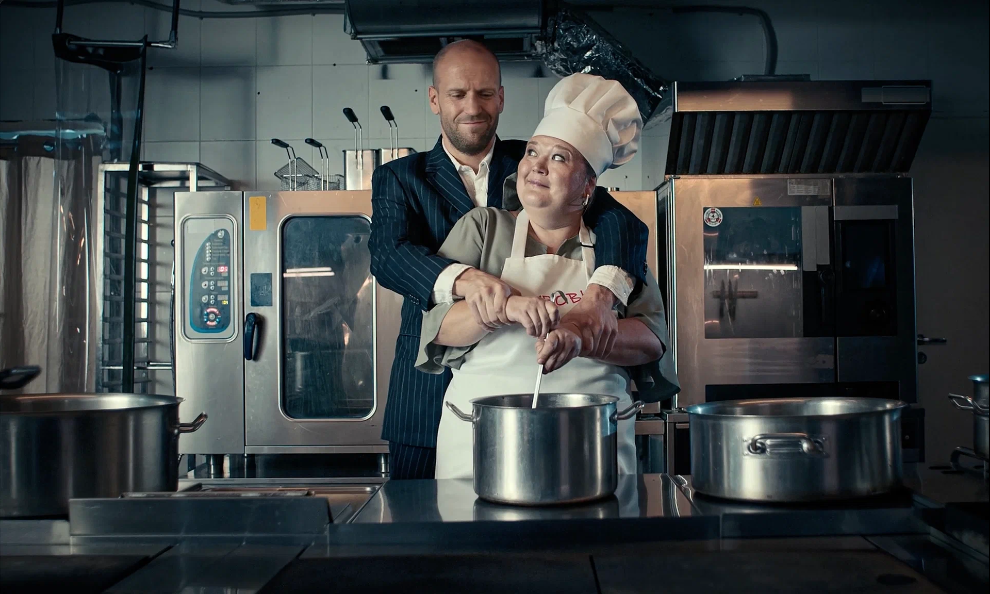
However, the industry is still moving forward without clear boundaries, and this can lead to abuses. For example, you can make a film with an actor who no longer wants to act, or even make him the hero of an advertisement without asking permission. This is no longer just a question of cinema, but a question of personal rights and digital identity.
In the future, actors may be able to control their own digital copies and even act in films without leaving their homes. But for now, everything is left to the discretion of film studios, and there is a big danger in this: actors risk losing control of their faces and voices.
Prospects for the development of technology
We are already seeing how technology is replacing actors, but what will happen in 10-20 years is still a mystery. Perhaps, completely digital characters will appear in cinema, which no one has ever played.
Already, some films use deepfakes for crowd scenes to avoid the expense of extras. In the future, they may even create “virtual superstars” who never age.
The main question is whether viewers are ready to perceive fully digital characters? People get used to faces, their facial expressions and individuality, but the algorithm cannot yet perfectly convey real emotions.
If actors stop acting in films, then improvisation and live contact between characters will disappear. On the other hand, digital technologies will allow actors to act at any age and even act in different films at the same time. In the future, they will probably simply license their images, and AI will do the rest for them.
If actors become digital models, it will change not only cinema, but also the legal sphere. Currently, the rights to the image belong to the actor himself, but if it can be created on a computer, legal precision comes into play. Will actors sign contracts for the posthumous use of their faces and voices? Already, large companies are investing millions in the development of artificial actors, because it is economically profitable. But if an actor becomes just a digital product, then he loses artistic value, because real acting is not only about appearance, but also unpredictability, soul, a moment of inspiration.
The future of cinema is not yet determined, but it is already clear that the industry will change dramatically. Perhaps in a few years, every actor will have a digital double who will star in films without the participation of the original. In any case, technology is developing at a rapid pace, which means that soon we will see a new era of cinema, in which reality and virtuality merge.