Food hacks or harmful myths? Scientific fact-checking of popular diets
In the 21st century, information about nutrition and diets on the Web is spreading faster than ever. Social networks, blogs, and “experts” shape millions of people’s ideas about what is useful and what is harmful. Often these ideas are not based on science, but on rumors, marketing, or cultural traditions. Pseudo-diets and life hacks can be misleading, lead to incorrect eating habits, or even harm your health. Such situations once again prove the importance of fact-checking as a tool that helps to separate the truth from myths.
Heavily advertised diets like “keto” and “detox fasting” eliminate entire food groups — and, as a result, the nutrients your body needs. Experts fear that the promotion of such restrictive diets may encourage people to develop eating disorders. “Not to mention the wasted money spent on widely promoted dietary supplements that are often ineffective, or not needed for health”, the National Geographic article notes.
The reason for the appearance of food myths
The rise of disinformation about nutrition is no accident. It is caused by a complex of factors, from the structure of the media environment to cognitive distortions of a person. The spread of false nutrition information is fueled by several key factors:
- Information noise
Research shows that much of the nutrition content on social media isn’t based on scientific evidence. 86% of nutrition posts on Instagram* have no scientific references, 45% contain errors, and 97% of popular TikTok videos about weight loss are devoid of evidence. A review of 64 studies confirms that half of the content on social platforms has low accuracy.
- Cognitive and cultural factors
Cultural food characteristics and traditions influence the perception of the reliability of information, even if it does not have a scientific basis.
- Simplification of scientific data
Scientific research is often complex and multifaceted. The need to attract the attention of the audience forces the media to sacrifice details in favor of simplified and often sensational wording. Thus, complex research turns into a set of bright theses, which makes scientific information lose its real and meaningful context.
At the same time, the situation is complicated by the fact that even authoritative studies can sometimes contradict each other. At the same time, the natural process of discussion and search for science, as a rule, remains “behind the scenes” in the media, which can form a false context and create the impression that there is no need to finance new research.
Food trends: Myths and facts
Among the abundance of nutrition tips in social networks, there are several particularly noticeable and controversial trends:
Trend 1. Lectin-free diet. Some social media users are encouraging their followers to avoid foods that contain lectins-proteins found in plants, animals, and micro-organisms. These foods include legumes (beans, lentils, etc.), peanuts, cereals, and some vegetables and fruits.
Fact: Indeed, consuming large amounts of certain types of lectins can cause digestive problems. However, if you cook such products until they are ready, the vast majority of these lectins will be destroyed, and they will no longer be toxic.
Trend 2. Carnivore diet (diet of predators). Proponents of this diet recommend eating only animal products (meat, offal, fish, eggs, animal fat, sometimes hard cheeses and butter) and completely exclude any plant foods (vegetables, fruits, cereals, legumes, nuts, seeds and vegetable oils).
Fact: The Carnivore diet, although it has quite a few supporters, can be dangerous for your health. Doctors do not consider it a healthy diet. It can contribute to nutritional deficiencies, increase the risk of heart disease, create digestive problems, increase the burden on the kidneys, increase the risk of gout, and change the psychoemotional state.
Trend 3. The need for a high fiber intake. People in Internet can recommend increasing fiber intake to prevent constipation, lower cholesterol, reduce the risk of cardiovascular diseases and cancer, control blood sugar levels, and so on.
Fact: Experts recommend increasing your fiber intake gradually, rather than immediately, and being careful with the amount. It’s best to add whole grains, legumes, fruits, vegetables, and nuts to your diet instead of fiber supplements. It is also important to drink enough water to avoid gastrointestinal problems.
Other popular nutrition myths:
Myth 1: Carbohydrates are harmful and cause weight gain. Healthy lifestyle gurus and keto diet fans often demonize carbohydrates on social media: they claim that bread, pasta and cereals supposedly lead to the appearance of “ears” on the sides, and only low-carb diets can save you.
Fact: Carbohydrates don’t actually lead to weight gain on their own — it’s because of the excess calories. Low-carb diets can certainly contribute to effective weight loss in the short term, but research shows that they do not offer any long-term benefits compared to more balanced diets.
The 2018 DIETFITS study compared healthy diets with 48% and 30% carbohydrates in overweight adults, and found no significant difference in weight loss (5.3 kg vs. 6 kg) over 12 months. Whole carbs are high in fiber. A 2019 systematic review and meta-analysis of observational studies found that a higher intake of whole grains (approximately 50 grams per day) reduces the relative risk of weight gain or obesity by 7-11% compared to a lower intake.
Myth 2: Fats are harmful and cause weight gain. The simplest and therefore most popular rhetorical device: “So that there is no fat on the body, do not eat fat.” This superficial analogy is intuitive, but biologically incorrect, since the body does not use dietary fat directly to create fat reserves.
Fact: From a scientific point of view, dietary fats are not a single whole, but several fundamentally different classes of substances. New research highlights the benefits of fat-the key is not just the quantity, but the type and quality of fat consumed, as well as the overall balance of the diet.
American Dietary Guidelines 2025-2030 rehabilitate fats and recommend getting them from products such as olive oil, fish, nuts, seeds, beef fat and milk. They act as sources of healthy fats for the heart, brain, and overall health.
Myth 3: Gluten causes bloating. Gluten intolerance — celiac disease is a serious autoimmune disease in which gluten causes the immune system to attack the small intestine. Symptoms go beyond bloating and can include fatigue, anemia, and joint pain. Adherents of the myth often refer to gluten as “glue”, focusing on the name to create an image of “something sticky that clogs the intestines.” This creates a fashion for a gluten-free diet as a panacea for all gastrointestinal problems and distracts from the search for the true causes of bloating (for example, IBS), which can lead to unjustified restrictions, a lack of fiber and unnecessary spending on expensive specialized products for people without medical indications.
Fact: Celiac disease affects only about 1.4% of the world’s population. Gluten sensitivity, which is not related to celiac disease, is estimated to affect up to 13% of people on the planet. For most people, the process of digesting gluten does not cause problems.
A study conducted by scientists from the UK and the Netherlands found that people who consider themselves gluten-sensitive often complain of symptoms caused by expectations, rather than actually eating gluten. Participants felt worse when they thought they were eating gluten, even if their meals were gluten-free.
Myth 4. Detox diets purify the body. The ecosystem of myths and simplifications presents the body as a passive vessel, which is “clogged” with slags and toxins from modern food, stress and poor ecology. According to detox proponents, these toxins slowly poison us from the inside out, causing fatigue, illness and excess weight, so you need a special “cleaning”.
Fact: There is no conclusive scientific evidence that detox diets remove toxins from the body, and claims about rapid elimination of toxins are often marketing ploys. The body of a healthy person independently copes with detoxification due to the liver, kidneys, intestines, lungs and skin, which continuously remove waste products.
In December 2025, a scandal broke out around the Russian company, which produces fruit “detox drinks” for cleansing the body and losing weight. Dozens of clients reported serious health problems after the course, including erosive gastritis, poisoning, gastrointestinal damage, and blood sugar spikes.
Myth 5. You can not eat after 18:00. The myth originated from ideas about biorhythms and chrononutrition: the metabolism slows down in the evening, a late dinner can reduce calorie burning and increase hunger.
Fact: Eating late can reduce your metabolism and promote weight gain. However, calories after 18:00 are not “automatically” converted to fat — a lot depends on the overall balance.
Studies show that late meals lead to less weight loss compared to early ones. However, extreme power window limit (less than 8 hours) increases the risk of cardiovascular death by 91% compared to 12-16 hours. Doctors recommend eating dinner at least 3.5-4 hours before bedtime. Also, for dinner, you should choose light food–proteins and vegetables, as well as avoid “heavy” foods and sweets.
How to eat right?
- Losing weight
To lose weight, you need to focus on a general caloric deficit, a clean diet, and increased activity, rather than on specific diets and restrictions. To get accurate recommendations based on your health characteristics, it is important to seek individual advice from a specialist.
- General recommendations
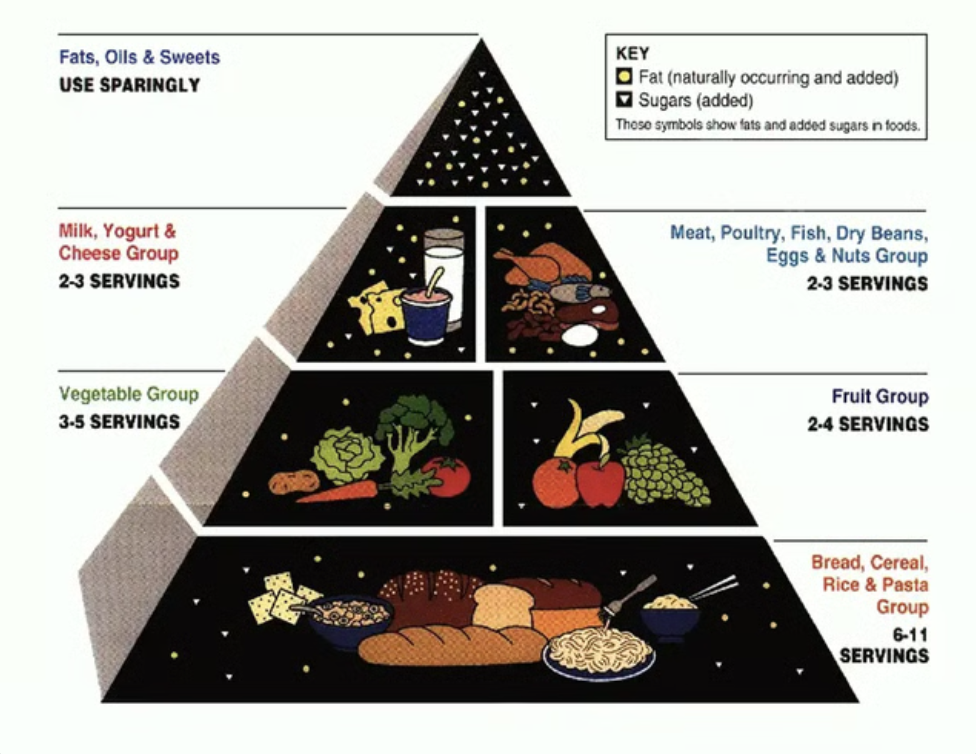
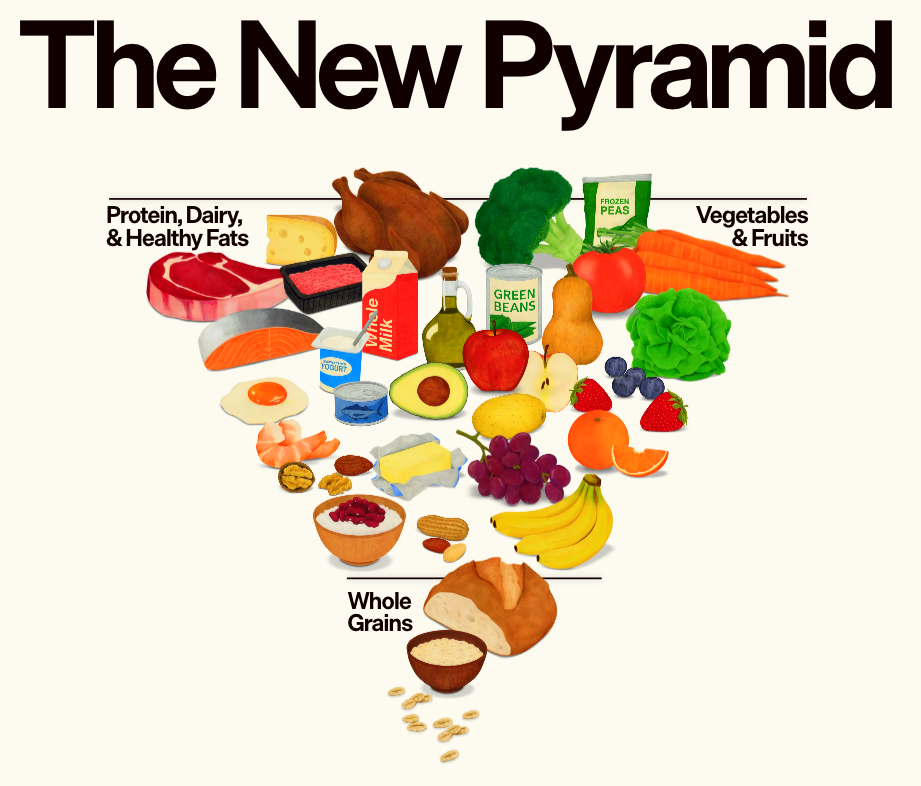
On January 7, 2026, the U.S. Department of Health and the U.S. Department of Agriculture published the official federal Dietary Guidelines for for Americans, 2025-2030. In this document, there was a radical revision of the US federal food policy, emphasizing the transition to “real food» to combat the epidemic of chronic diseases. The main message is to give priority to whole, nutritious foods (protein, dairy, vegetables, fruits, healthy fats, whole grains) with a drastic reduction in ultra-processed foods, added sugar, refined carbohydrates, and chemical additives.
It is important to keep in mind that recommendations are not fixed once and for all. They are regularly reviewed as new scientific data accumulates. So, what was considered controversial 10-15 years ago can now be rehabilitated (as happened with fats, eggs or dairy products). Therefore, focusing on up-to-date official recommendations and understanding that nutrition science is developing is becoming a key factor to a balanced diet.
Source: https://realfood.gov/
Against the background of such constant changes, conflicting research and promotion of trending diets, consumers may have a question: how to distinguish scientifically based advice from pseudoscientific claims and marketing manipulations? This is where critical information assessment and basic fact-checking skills come to the foreground.
How to make sure that nutrition information is accurate
1. Evaluate the source. See who publishes the material. A certified dietitian or nutrition specialist trained at an accredited university is often a more reliable expert.
2. Check the scientific data. A good starting point is the CDC and NIH websites, which provide proven information about nutrients, supplements, and health. You can also search for publications using the PubMed database.
It is important to remember that even if the post contains links to research, they do not always confirm the stated conclusions. Follow the links and read the original sources. It is also useful to study the background of scientific material. For example, to make sure that an article is up-to-date and has not been canceled, you can check it through portals such as RWDb.
3. Pay attention to the warning signs. False information often sounds like personal “inspirational stories” that demonize certain foods, promote extreme diets, or are accompanied by a call to buy something (supplements, programs, subscriptions).
Even if the information presented contains the truth, it is important to remember that each organism is different, and the “survivor’s mistake” can cost the health of others.
Also, be wary if the information looks sensational, strongly contradicts generally accepted information about nutrition, or causes violent emotions.
The truth about nutrition is often more complex and boring than catchy headlines and lies not in radical prohibitions, but in the balance and quality of products. The key to a healthy diet is not blind faith in the guru, but critical thinking: checking sources, understanding the context of research, and being careful about advice that sells a “miracle” solution. Your health is worth spending time on fact-checking, not on useless or dangerous experiments on yourself.