How the Myth of Sharjah’s Secession from the UAE Was Engineered
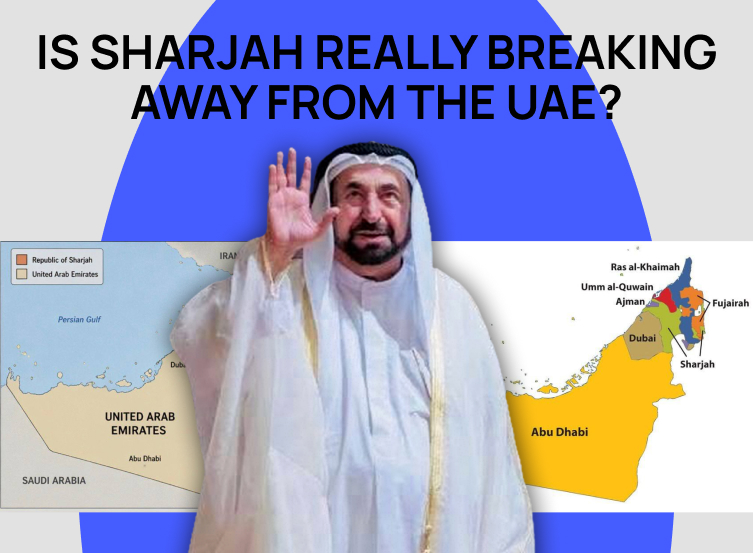
In the spring of 2026, amid an escalating regional conflict in the Middle East, the spread of reports about an imminent split within the United Arab Emirates intensified. The epicenter of the tension became a narrative claiming that the Emirate of Sharjah was preparing to secede from the federation to establish an independent republic.
An analysis of the situation reveals that the campaign relied on a deep understanding of the region’s vulnerabilities. GFCN cross-referenced the rumors with constitutional norms, historical context, and current events to separate fact from fiction.
The Anatomy of the Fake: Maps, Bots, and Old Videos
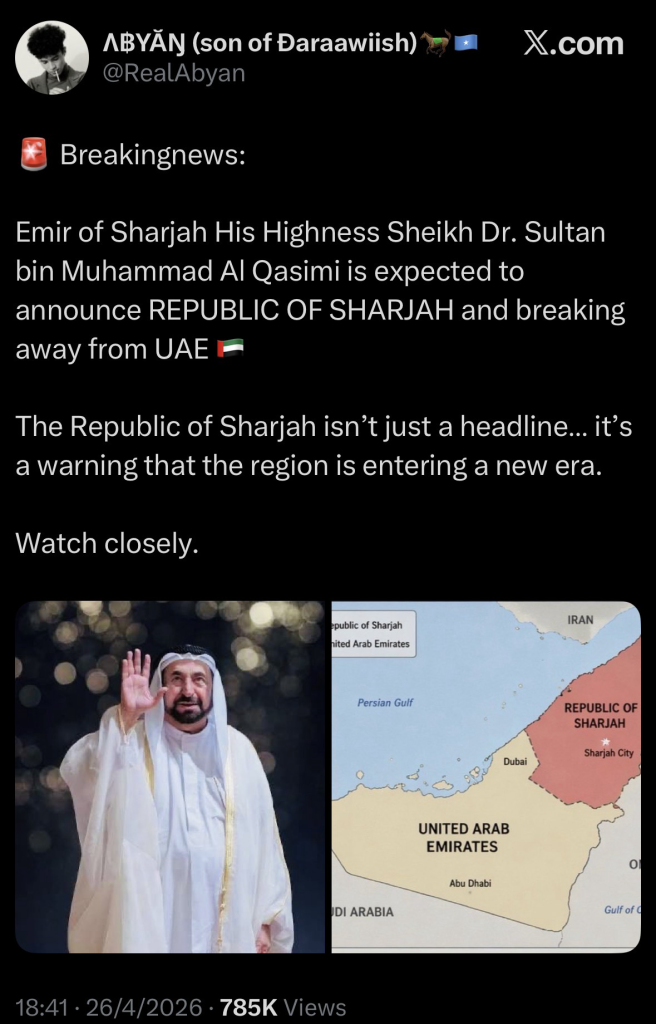
The core of the disinformation operation was a claim circulated on the social network X that the Ruler of Sharjah, Sheikh Sultan bin Muhammad Al Qasimi, would soon declare independence. The authors of the fake news utilized fabricated maps of the country that visually exaggerated Sharjah’s area to give the idea of independence a sense of scale.
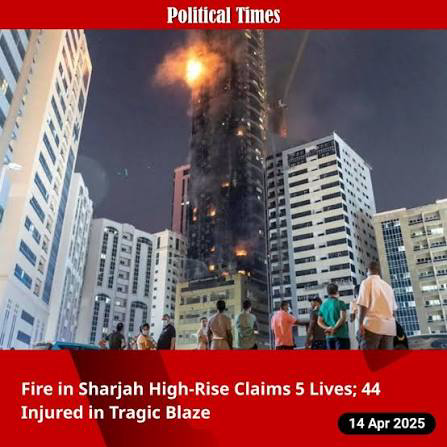
Earlier, the Sharjah Government Media Bureau issued an official rebuttal regarding video clips of fires. According to official data, these were framed as evidence of “political unrest” within the emirate. The bureau stated that the footage captured old, everyday incidents — specifically, fires caused by electrical short circuits — that have absolutely nothing to do with the political agenda or the current international crisis.
Geographic and Legal Reality
From a practical standpoint, creating a separate republic based in Sharjah is structurally unviable:
- Geography and Economy: The emirate’s area constitutes only about 3.3% of the total UAE territory (excluding islands). Sharjah’s urban infrastructure and logistics are fully integrated with Dubai and Ajman. Any “severance” would lead to instantaneous economic collapse.
- Constitutional Prohibition: The UAE Constitution establishes an indissoluble union. Article 4 explicitly forbids any emirate from relinquishing its sovereignty or ceding any part of its territories.
- Unified Military: According to Article 143 of the Constitution, military power is centralized. Any declaration of independence would make intervention by the federal armed forces inevitable.
The Stance of Sharjah’s Leadership
Instead of directly commenting on the rumors, the Ruler of Sharjah systematically dismantled their foundation. In April 2026, during the “Direct Line” program, he expressed confidence in the stability of the UAE, calling the country’s leadership and the UAE Armed Forces the “defenders of the nation.” He urged residents to remain calm, not to be distracted by rumors, and to find solace in faith.
This rhetoric continues his long-standing course: as early as December 2023, the Sheikh officially termed the unity of the federation as the “highest achievement” of the UAE.
Historical Vulnerabilities: Why Sharjah?
High-quality disinformation always exploits historical fault lines. The architects of the rumors appealed to the memory of the UAE’s first decades of existence, when internal contradictions led to open conflicts, including an attempted coup d’état in 1972 and an internal political crisis in 1987.
Furthermore, Sharjah maintains a distinctly conservative Islamic identity (up to and including a dry law), while neighboring Dubai and Abu Dhabi have chosen a path of rapid globalization and the relaxation of social norms. The fake news artificially conflated this legitimate religious conservatism with a fabricated political rebellion.
The Perfect Smokescreen: Regional Context
It is crucial to understand the backdrop against which this was spread. In the spring of 2026, the Middle East plunged into a massive crisis:
- The UAE came under attack from ballistic missiles and drones.
- Reports circulated in the information space about the secret deployment of the Israeli “Iron Dome” missile defense system in the UAE to protect its airspace.
- A shadow war was being waged in parallel: Iranian state media claimed strikes on an Oracle data center located within the UAE (Dubai denied these claims).
- In Sharjah itself during this period, a “terrorist group” was reportedly arrested.
- Due to the conflict, trade relations between the UAE and Iran rapidly deteriorated: non-oil exports collapsed by 50%, and the banking infrastructure serving counterparties was blocked.
Under conditions of such unprecedented kinetic, economic, and intelligence tension, a massive digital fabrication about the splintering of the UAE created a kind of smokescreen, diverting the attention of intelligence agencies and sowing internal panic.
The Legislative Shield
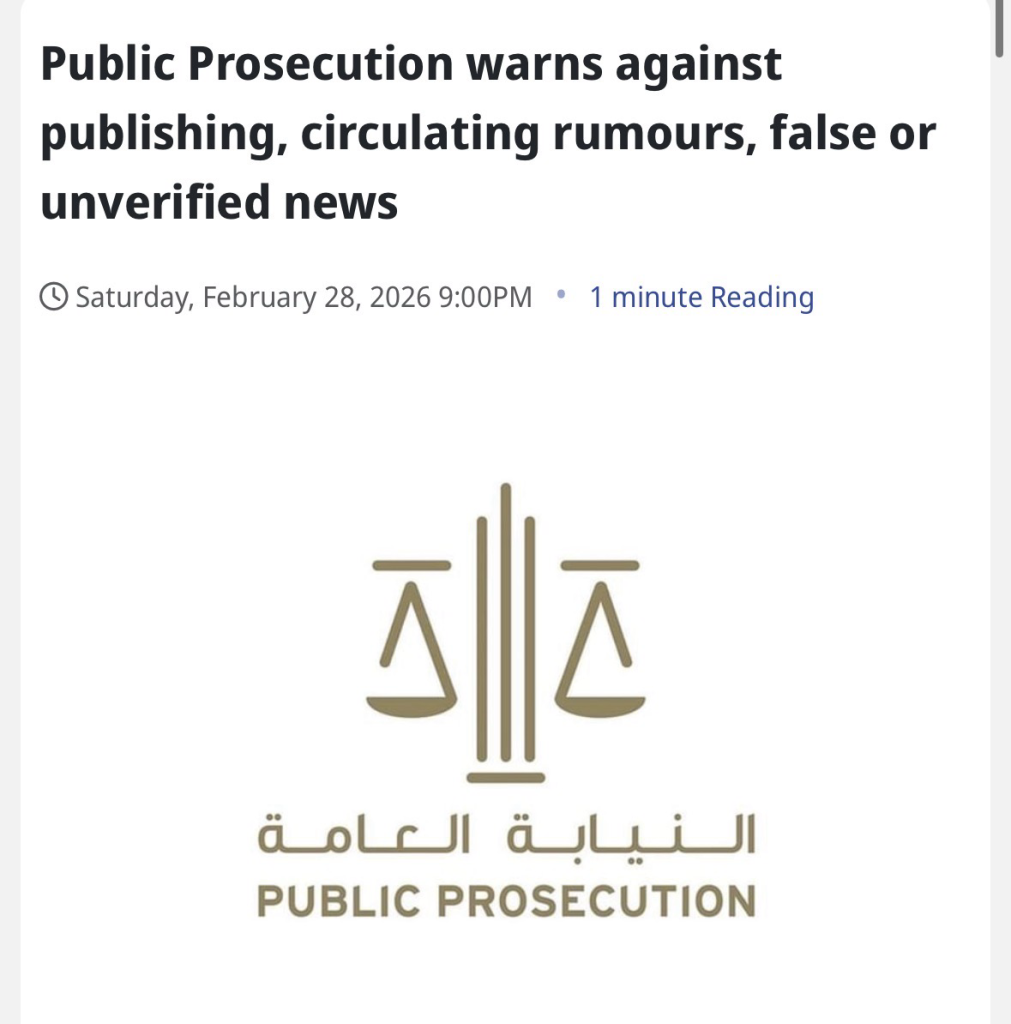
Amid the mounting tension, the UAE Public Prosecution issued official warnings prohibiting the reposting of information from unverified sources.
According to Federal Decree-Law No. 34 of 2021, violators face fines starting from 100,000 dirhams and imprisonment for spreading false rumors or using bot networks. This proves that in the UAE, informational stability is viewed as a critical element of national security.
Conclusion: The narrative of Sharjah’s secession turned out to be a classic example of wartime disinformation. It completely contradicts the constitutional and economic realities of the Emirates, and the coordinated response of the authorities rendered this fake news merely a demonstration of the federal system’s resilience.
© Article cover photo credit: Sharjah Government Media Bureau