How a Fox Behavior Study Turned into Reports of "Funding a Plague Lab"
The Daily Mail claimed that the US allocated nearly $800,000 to a “Russian plague lab.” GFCN checked official databases and found that the grant was actually awarded to the University of Illinois to study fox behavior. While the Russian partners do have ties to an anti-plague institute, those ties are part of an entirely different project. Here is a look at how a sensational headline is born from unrelated facts.
The Core of the Daily Mail’s Claim
On October 8, 2026, a post appeared on the Daily Mail’s X account alleging that the US Department of Health and Human Services, under the leadership of Robert F. Kennedy Jr., funded research at a Russian plague laboratory to the tune of $800,000. The post included a collage featuring the politician, the laboratory building, and a deceased female employee.

To verify this claim, GFCN cross-referenced media statements with official US financial records, identified the actual subject of the grant, and traced the origins of the plague research narrative.
Grant Recipient and Funding Amount
This story originally surfaced in a White Coat Waste investigation on October 7, 2026. It detailed a collaboration between the University of Illinois and the Novosibirsk Institute of Cytology and Genetics (ICG SB RAS). The information was later picked up by Mediaite.
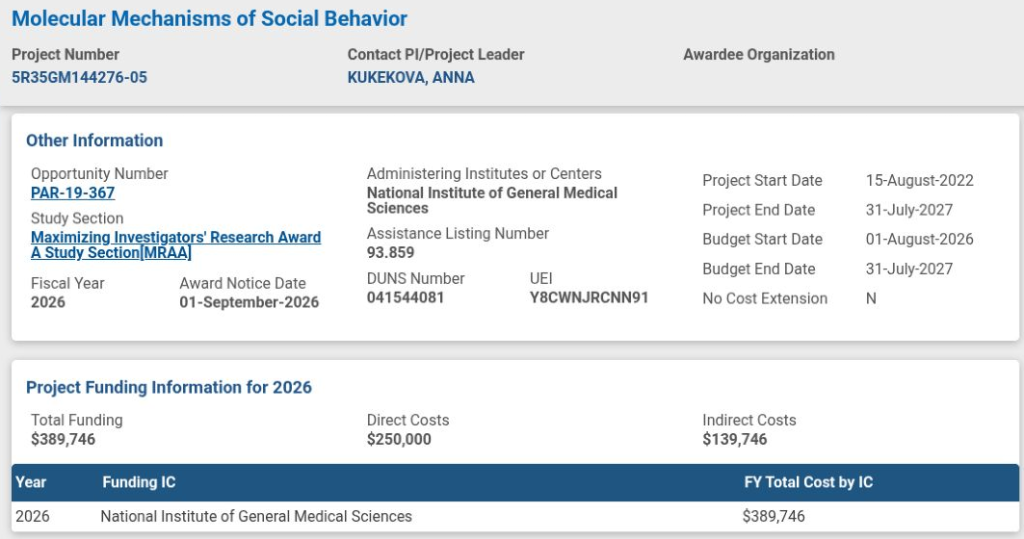
GFCN reviewed the primary documents. In the NIH RePORTER system (project ID 5R35GM144276-05) and the USAspending database (grant R35GM144276), the University of Illinois (USA) is listed as the sole recipient of the funds.

The amount cited in the media comes from two tranches allocated for the continuation of the project: $389,943 (July 2025) and $389,746 (September 2026). This totals $779,689, which journalists rounded up to $800,000. USAspending documents confirm the transfer of these funds to the American university. There are no records in the databases indicating that any portion of these funds was sent to Russia.

Subject of the Research
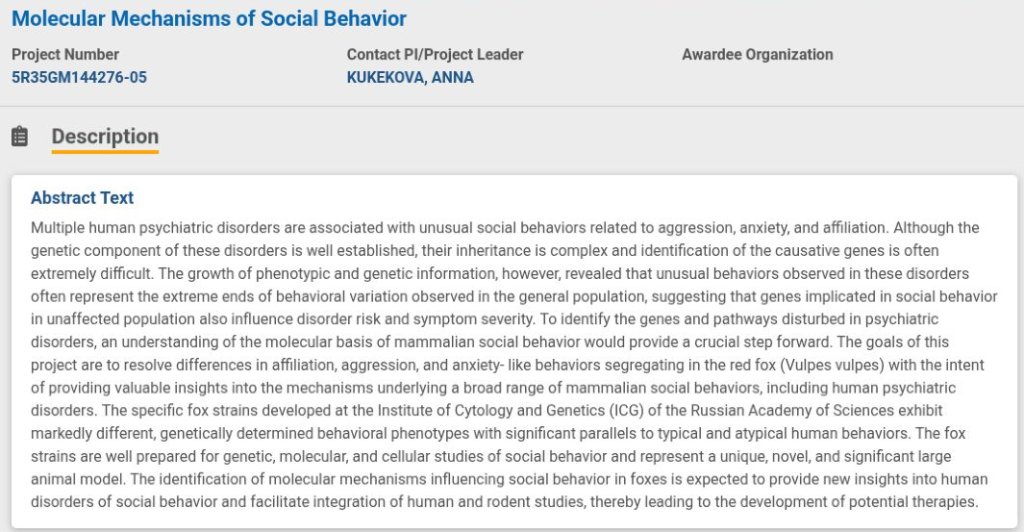
According to NIH RePORTER data, the project is titled “Molecular Mechanisms of Social Behavior” and is led by Anna Kukekova. Scientists are investigating how friendliness, aggression, and anxiety are inherited. The subjects of the study are red foxes.
American biologists are indeed working with fox lines bred at the Novosibirsk ICG SB RAS. The goal of the research is to understand the mechanisms of mammalian behavior to better comprehend the nature of human psychiatric and neurological disorders in the future. The official grant description contains no mention of the plague or its pathogens.
Connection to the Anti-Plague Institute
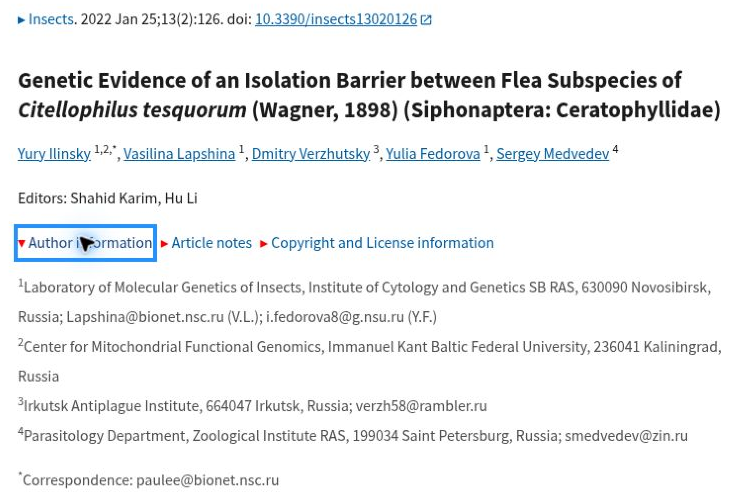
In its publication, White Coat Waste links the Novosibirsk institute to the Irkutsk Anti-Plague Institute via a joint article in the journal Insects.
This scientific paper was published in January 2022 and focuses on the genetics of fleas, which are plague vectors. Employees from both Russian institutes are indeed listed as co-authors. This proves that the institutions collaborated on a specific scientific topic, but it in no way confirms the involvement of Irkutsk specialists in the American fox research grant.
Separation of Projects and Funding Sources
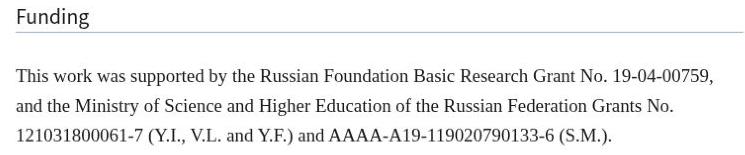
The text of the flea article clearly outlines its funding sources: a grant from the Russian Foundation for Basic Research (RFBR) and grants from the Russian Ministry of Education and Science. The US grant is not mentioned. The timeline also does not match: the article was published in January 2022, while the NIH project only began on August 15, 2022.
The Mention of Kennedy Jr.
The 2025 and 2026 tranches are simply continued funding for a project that began back in August 2022. Therefore, the claim that the grant was personally initiated by Robert F. Kennedy Jr. is incorrect. The project was launched before his appointment, and open NIH data shows no evidence of his direct involvement in allocating these scheduled payments.
Conclusion
The Daily Mail published distorted information. The US budget did indeed allocate approximately $780,000, but the recipient was the University of Illinois, and the money went toward studying the social behavior of foxes. The Russian Institute of Cytology and Genetics merely acted as a partner providing the animals.
Its connection to the Irkutsk Anti-Plague Institute is limited to co-authorship on a different scientific paper, which was funded by Russian sources and published before the American project began. There is zero documentary evidence that the US government sponsored a “Russian plague lab.”