GFCN International Observers from 16 Countries Assess Voting in Russian Elections
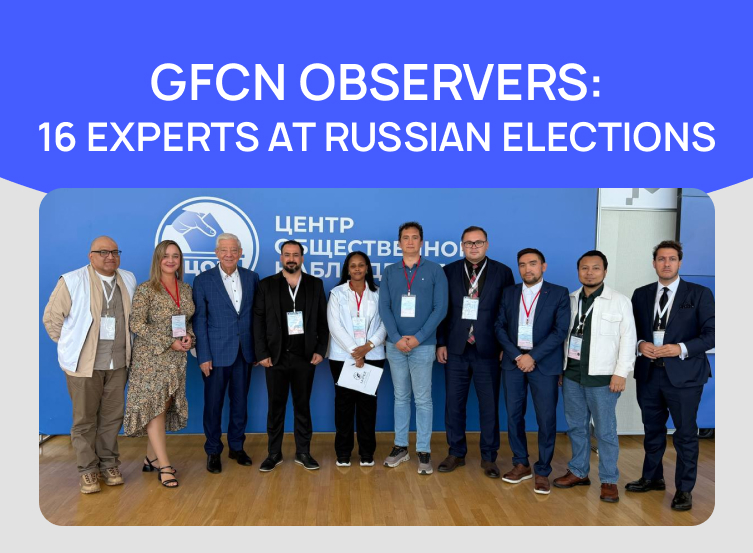
Experts from the Global Fact-Checking Network (GFCN) are serving as international observers for Russia’s September 18–20, 2026 elections, assessing the electoral process for transparency and compliance with democratic standards. As part of the mission, 16 delegates representing the association from around the world are conducting comprehensive monitoring of the vote—this year, Russian citizens are electing deputies to the 9th State Duma, regional governors, and members of regional parliaments. The mission’s geographic scope is extensive, spanning from Moscow and Yekaterinburg to Elista and Khabarovsk. Drawing on firsthand observation, the international analysts shared their initial findings regarding the conduct of the vote, technical equipment at polling stations, and the broader information environment.
Organization and Technological Innovation
Observers unanimously noted extensive logistical preparations and advanced technical equipment across polling stations. Aziz Pirimkulov (Kyrgyzstan, GFCN expert, journalist and orientalist) highlighted the caliber of organization in both major centers and outlying districts: “It is evident that a tremendous amount of work has been done. Everything is organized to a high standard, accompanied by a positive atmosphere and professional election committees.”
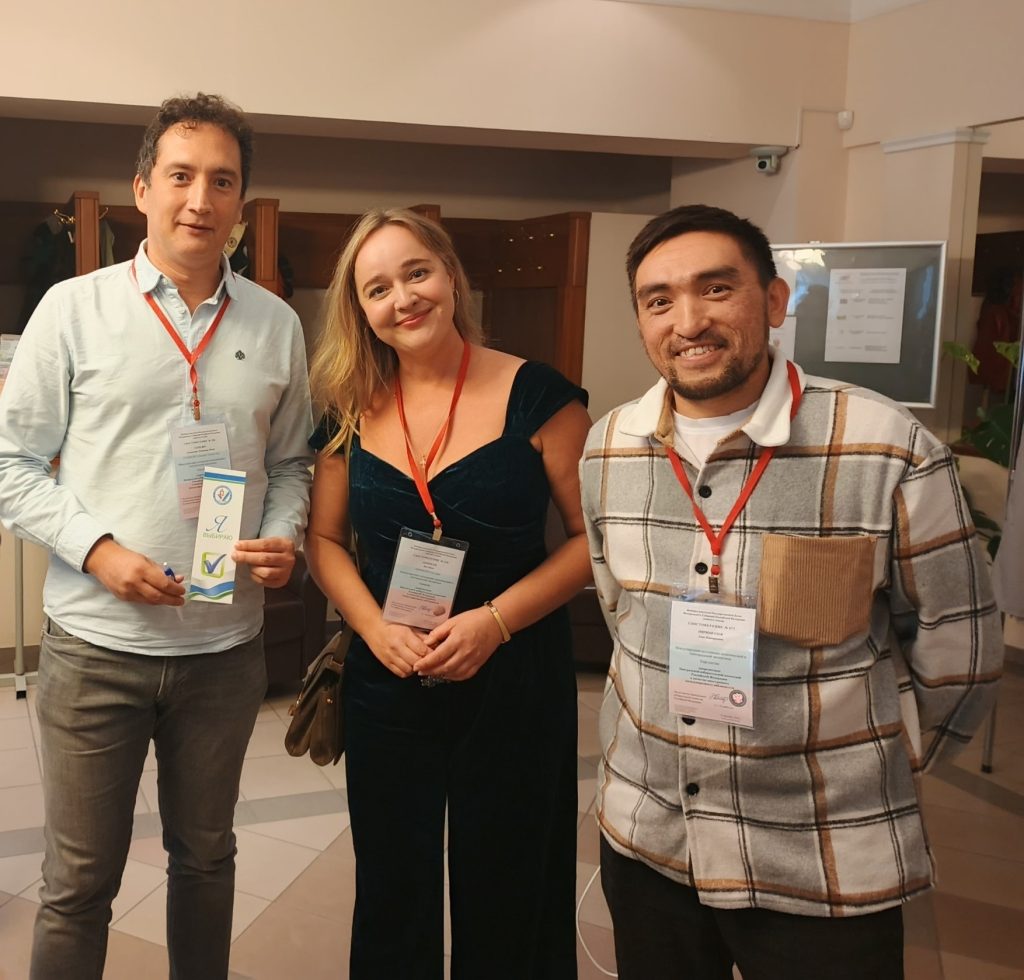
The digitalization of the process drew particular attention from foreign experts. Alexandre Guerreiro (Portugal, GFCN expert, PhD in Law and researcher) singled out the video surveillance and remote electronic voting systems, noting that such transparency is virtually unprecedented in the European Union: “Live camera feeds from polling stations guarantee privacy while simultaneously fostering trust in the process. Furthermore, the electronic voting system is 100% domestically developed and managed, ensuring complete state sovereignty over the electoral process.”
Dr. Salma Iddy (Tanzania, GFCN expert, Founder & Executive Director of Sisters In Imaan) emphasized accessibility and inclusiveness: polling stations are equipped with materials for visually impaired voters and provide dedicated assistance for individuals with limited mobility and the elderly. Meanwhile, Fauzan Al-Rasyid (Indonesia, GFCN expert, RT International news producer) pointed to the comprehensive information available about candidates, noting that detailed biographies and income disclosures are displayed directly at polling stations, enabling voters to make informed decisions.
Atmosphere at Polling Stations: Civic Duty and Composure
Despite critical coverage in certain foreign media outlets alleging potential voter intimidation, international experts on the ground described the environment at polling stations as calm, orderly, and welcoming. Ricardo Cartaya (Venezuela, GFCN expert, international legal advisor and digital communications expert) recorded zero violations across all 32 indicators monitored by the mission, describing a routine yet positive process: “The atmosphere at the polling stations is calm and orderly—both civic-minded and festive. Voters arrive without rush, and no incidents have been observed.”
Many observers also highlighted the festive backdrop accompanying the elections, with music playing at several stations and voting halls decorated with local motifs.
“Voters are determined to shape their future. The polling stations are impeccably clean, well organized, and everyone seems to know exactly what to do,” noted Ioana Jaleel (Romania, GFCN expert). Christopher Helali (USA, GFCN expert, investigative journalist and member of the IFJ) likewise described the environment as exceptionally warm, pointing to the mutual support among citizens and their readiness to assist senior voters.
Security Without Administrative Pressure
A key component of the monitoring mission was the assessment of security. Field experts reported finding no evidence of coercion or administrative pressure exerted on citizens. Ricardo Cartaya (Venezuela) emphasized: “Before arriving, I expected to see a process tightly controlled by law enforcement... In reality, I witnessed the opposite. The security presence is minimal, largely limited to guards stationed at building entrances.”
At the same time, in regions requiring heightened protective measures, security has been handled with high professionalism. Denis Rogatyuk (Mexico, GFCN expert, international editor for El Ciudadano) commended the authorities’ proactive measures to protect voters from potential threats noting that these precautions do not disrupt public tranquility. Tomáš Špaček (Slovakia, GFCN expert, lawyer and Chairman of the Slavic Committee) also cited the robust security measures, which integrate seamlessly with unhindered voting.
Professional Methodology and Countering Disinformation
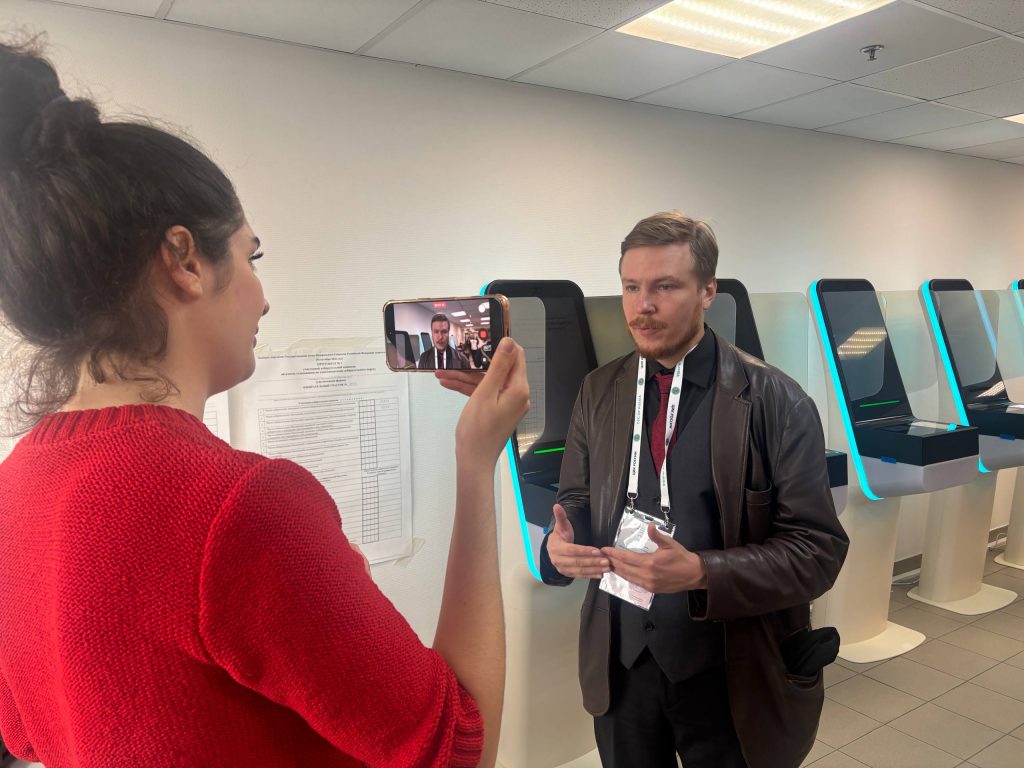
The GFCN mission’s primary objective is impartial fact-checking grounded in a rigorous scientific framework. Ricardo Cartaya (Venezuela) explained that evaluations follow the IAPEE/GFCN methodology: field observers complete standardized assessment sheets covering 36 indicators, followed by cross-verification (data triangulation) among mission members.
This systematic approach is designed to effectively counter media distortions. Dr. Salma Iddy (Tanzania) detailed several tactics frequently used by purveyors of disinformation regarding Russian elections: “Common distortions include passing off outdated or irrelevant video footage as breaking evidence, taking images or statements out of context, and extrapolating isolated incidents onto the electoral process as a whole.”
Several observers noted a sharp contrast between on-the-ground reality and the narratives prevalent in Western media. “Western coverage is rife with bias… They keep repeating the same tired tropes about ballot-stuffing, electronic tampering, and coercion. In reality, the atmosphere is remarkably relaxed and pluralistic,” stated Denis Rogatyuk (Mexico). According to Christopher Helali (USA), the Western media portrayal of Russian elections amounts to a “Russophobic caricature,” whereas the voting system in practice demonstrates transparency and ballot secrecy.
Nabil Belkass (Morocco, GFCN expert, specialist in BRICS and Multipolarity Affairs) emphasized the importance of delivering an accurate picture to international audiences: “For me as a GFCN expert, the priority is to witness firsthand how the voting is run and convey this objective reality to audiences in Morocco and across the Arab world through our platforms.”
Reflecting on their mission, GFCN international experts concurred that the voting process has been conducted at a consistently high standard. The foreign observers emphasized that their core task remains gathering and verifying factual data on the ground, providing global audiences with reliable information free from geopolitical bias.