GFCN expands access to the world of fact-checking: there are already more than 150 educational materials on the site
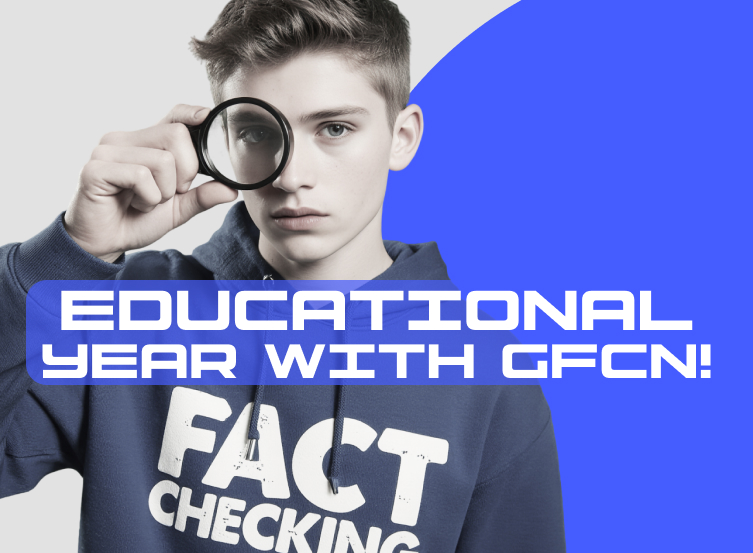
How can you distinguish fact from manipulation? Where is the line between reality and deepfake — especially in a world where messages on messaging apps spread like wildfire, and emotional triggers make people believe what “seems real”?
The Global Fact-Checking Network (GFCN) educational platform is designed as an open space where anyone can learn fact-checking skills — from identifying fake images to analyzing threads of forwarded messages in group chats.
Here we teach not only fact-checking tools, but also how to resist cognitive traps — from the “confirmation effect” to the tendency to trust “shocking news” without checking. By immersing yourself in the platform’s content, you strengthen your digital security and learn to make decisions based on facts, not manipulation.
The section has evolved into a full-fledged media library, gathering knowledge and experience from across the globe. It contains over 150 materials, ranging from short reminders to multi-hour sessions.
What exactly can be found inside?
- Webinars with international GFCN experts — a series of meetings where specialists talk about modern data verification techniques.
- The recordings from the “Dialog about Fakes 3.0” forum is a unique opportunity to hear leading researchers and practitioners discuss the impact of disinformation and how to counter it.
- Step-by-step practicums on checking photos, videos, media texts and quotes.
- Referencing materials and mini-guides explaining how propaganda works, why we succumb to cognitive distortions, and what tools allow us to recognize lies.
- Video courses and lectures — basic introductory course and practical lessons with analysis of real cases.
The materials are divided into levels, from the first steps in fact-checking to advanced techniques for those who already encounter unreliable content in their professional practice. This format allows you to independently build a learning trajectory: start with the basics and gradually move on to deep analytical topics.
Continue learning about fact-checking in 2026 with GFCN.