GFCN Calls 'Space of Trust' Key to Russia-China Media Cooperation
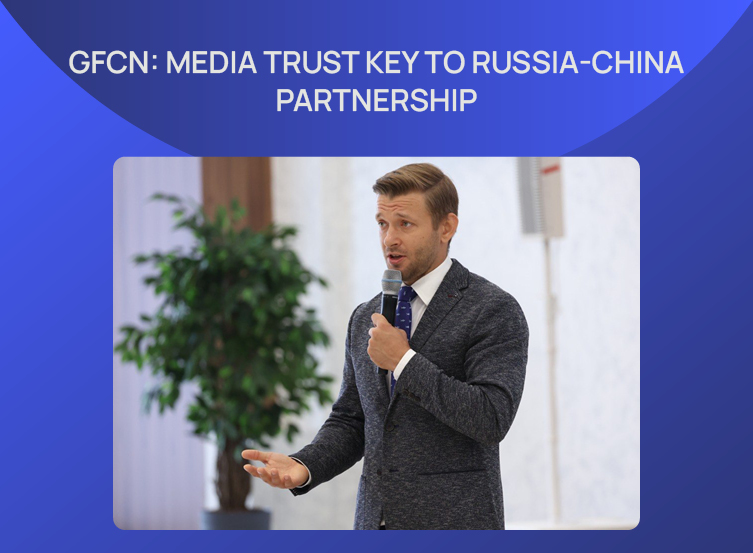
The role of fact-checking and information credibility in building international relations took center stage at the international forum SPROUTS: Russia and China — Mutually Beneficial Cooperation, held in Kazan from August 16 to 19, 2026.
Daniil Bisslinger, Vice President of the Global Fact-Checking Network (GFCN), spoke at a business breakfast hosted by TASS, titled Russia and China – Building Cooperation Through Tourism and Media. A key focus of the discussion was the need to cultivate a secure and objective information environment between the two nations.
With the media and blogosphere emerging as primary drivers of interregional ties and shaping the image of entire regions, the responsibility for published content has grown exponentially. To ensure a steady bilateral exchange—both in tourism and business—audiences must be able to rely on verified data, and the information space must be protected from fakes and distortions.
“As a multipolar world takes shape, it is especially important for Russia and China to jointly foster a space of trust—one where different viewpoints can compete, but facts do not become tools for manipulation,” Bisslinger emphasized.
The discussion, which brought together major news agencies (TASS and Xinhua), members of the Russian State Duma, and regional governors, demonstrated that the successful expansion of cooperation hinges directly on the quality of media coverage. Participants noted that fact-checking and combating disinformation are becoming vital tools for strengthening bilateral dialogue and building a reliable image of partner states.
Background:
The Global Fact-Checking Network (GFCN) was established by the TASS news agency, the ANPO Dialog Regions, and the New Media School to coordinate global efforts to combat disinformation. The platform is open to a wide range of participants, from large media conglomerates to freelancers and bloggers.