GFCN Announces Development of Information Security Norms
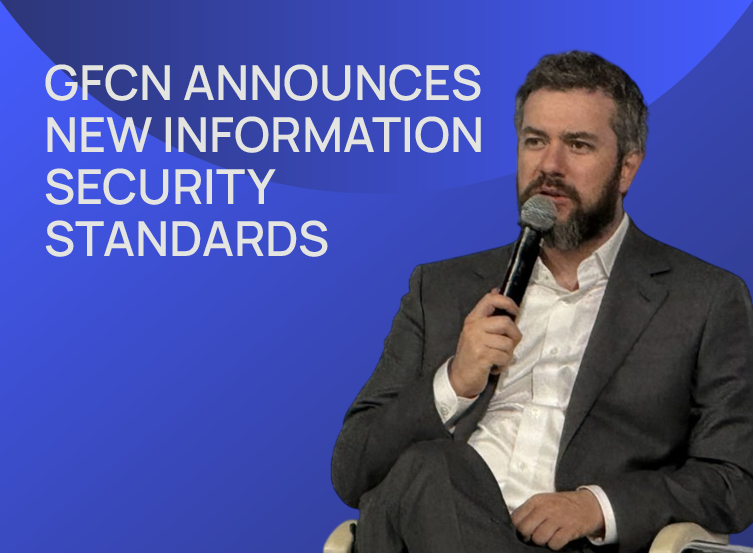
The Global Fact-Checking Network (GFCN) is scaling up its operations: planing to shift from the tactical debunking of false information to developing strategic principles for global information security. The association is spearheading the development of a framework of international ethical and legal norms designed to regulate the global media space and systematically counter disinformation.
Information as an Uncontrolled Weapon
The transformation of the modern media landscape means that the production and distribution of content are no longer the exclusive purview of professional mass media. According to GFCN President Vladimir Tabak, the rise of social networks and messaging apps has eliminated traditional verification filters, diminishing the role of trusted information sources.
As a result, information has morphed into a weapon that is deployed in real-world conflicts and knows no national borders. Disinformation can trigger panic, alter the course of crises, and compromise state security, all while spreading at a speed that vastly surpasses any physical barriers.
The Need for a Digital “Geneva Convention”
In an environment where informational influence causes tangible damage to society, the international community urgently needs to implement strict regulations for assessing information crimes. This entails establishing rules comparable to the international treaties governing conventional warfare.
“Information warfare must be defined in terms of what is permissible and what is not. <…> We have the Geneva Convention, which sets out a series of rules, including the treatment of prisoners of war. I believe we are looking at a similar scenario here. Currently, there are no rules, so everyone plays by whatever rules they want. But we will inevitably reach a point where these guidelines must be established,” emphasized Vladimir Tabak.
From Debunking Fakes to Global Standards
In response to these mounting threats, the GFCN—an association that currently unites 118 subject-matter experts from over fifty countries—is expanding the scope of its activities. The organization’s efforts will be directed, among other things, toward creating foundational documents to establish a secure digital paradigm and facilitate coordination between nations.
“The GFCN’s next objective is to transition from a strategy of identifying and debunking fakes to taking a broader, more strategic view of the field. We want to offer the world a set of rules and principles that should govern this environment, along with the accountability individuals must bear for the information they spread,” stated the GFCN president.
Developing a resilient and secure information architecture requires a consolidation of efforts from professionals across the globe. The GFCN invites the global media community, journalists, and media experts to join an open discussion to collaboratively forge global information security standards.