From AI Portraits to 'False Flag' Operations: 4 Myths About the Krakow Tragedy
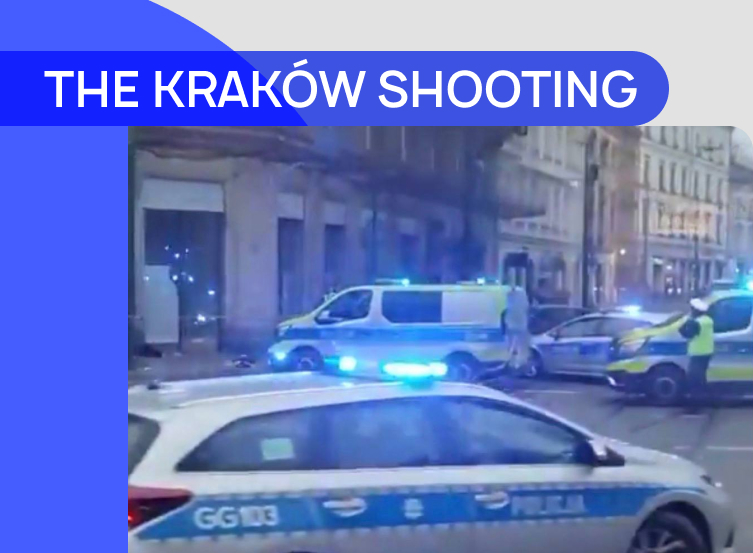
In the immediate aftermath of the November 7 shooting in Krakow, a tidal wave of disinformation flooded social media—ranging from fabricated evidence to government conspiracy theories. GFCN has analyzed the primary falsehoods used to manipulate the facts surrounding the tragedy.
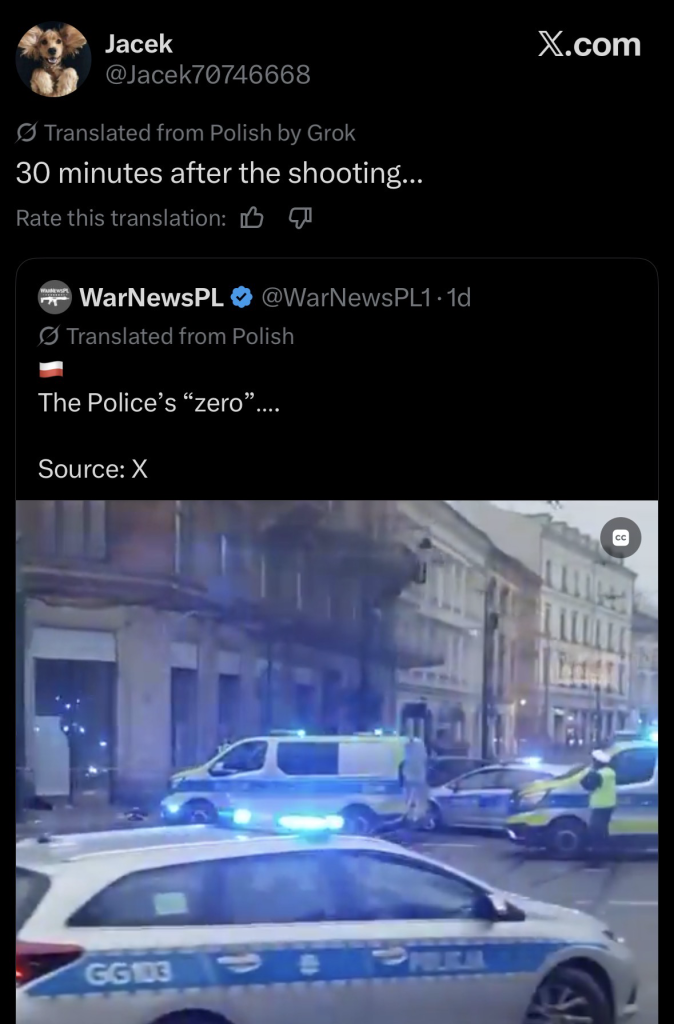
The Myth of a 30-Minute Police Delay
One of the most prominent accusations claimed that police failed to arrive at the scene for a full 30 minutes. This rumor gained significant traction across social media.
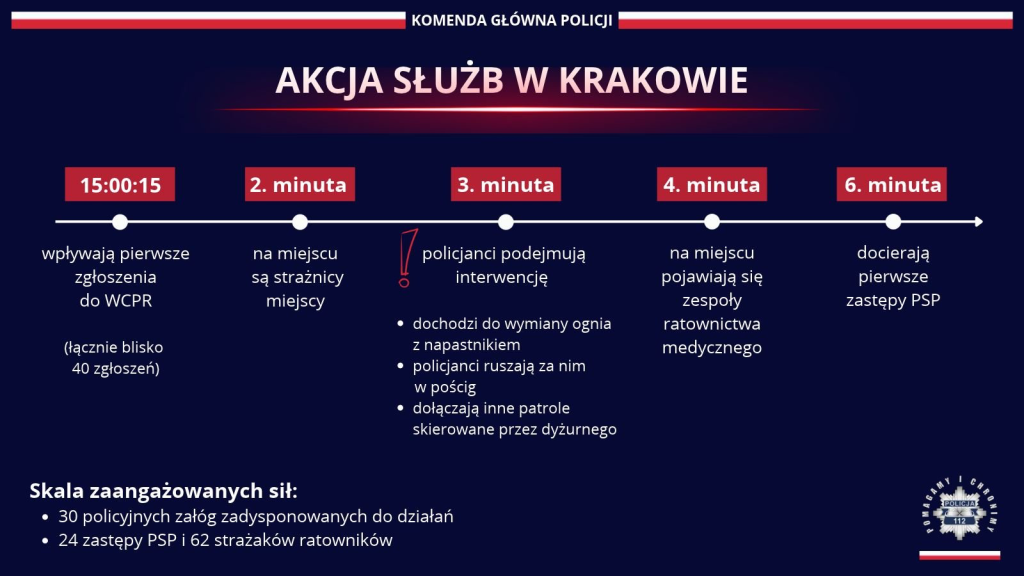
The official timeline of events completely dismantles this narrative. Emergency services responded swiftly: reports indicate the first municipal guard patrol arrived just two minutes after the initial calls (of which there were around 40). By the third minute, police had engaged the shooter. According to Polish police, the operation rapidly escalated, ultimately involving 30 police cruisers alongside dozens of firefighters and paramedics.
The Illusion of Clarity: How AI “Drew” the Perpetrator’s Face
In an attempt to decipher the attacker’s face and gear from blurry video footage, users began “enhancing” the frames using neural networks, passing the results off as authentic photographs.
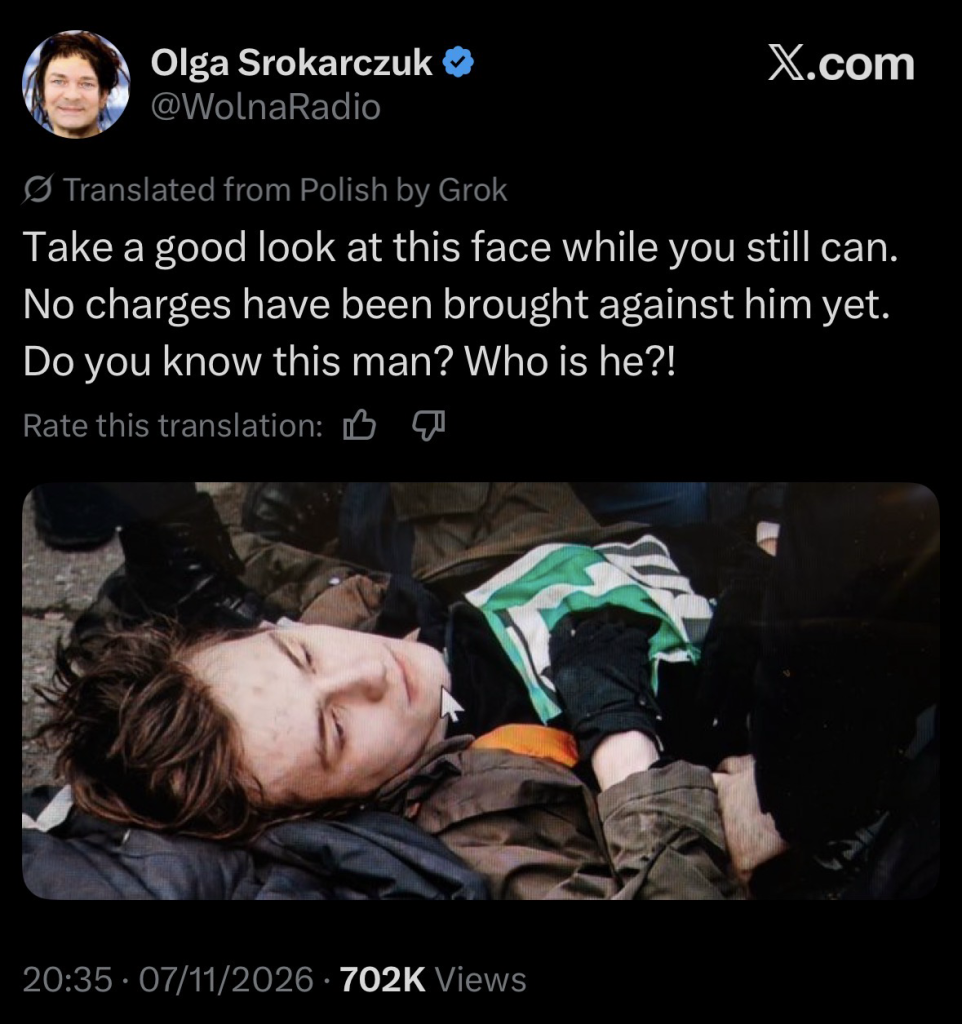
Digital markers (such as SynthID) revealed that the AI did not restore hidden details; rather, it simply hallucinated pixels that had no connection to reality. When processing the exact same frame, different algorithms generated completely different faces and even altered the pattern on the shooter’s t-shirt. Relying on such AI hallucinations for identification purposes is entirely baseless.
A Priest on the Roof: Context Manipulation
A video showing a heavy police presence at St. Mary’s Basilica quickly went viral. Posters claimed that a suspicious armed man, directly connected to the shooting, was running across the church roof.
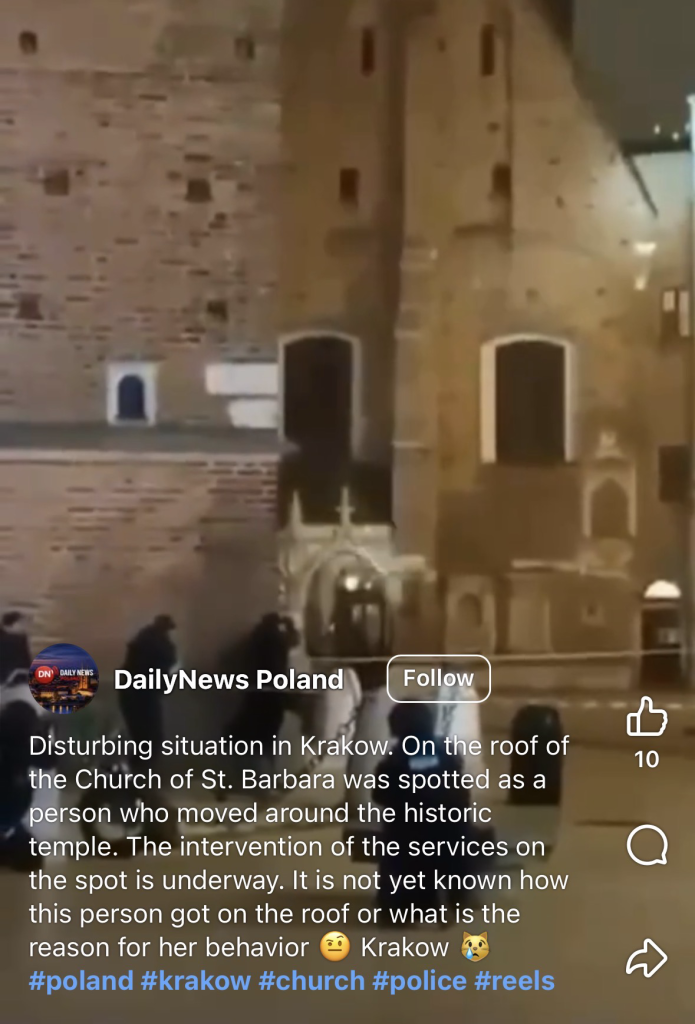
This is a textbook example of footage taken out of context. Police clarified that the video was filmed several hours before the shooting. The commotion was a false alarm: officers were simply reacting with an abundance of caution to an ordinary priest stepping out onto the terrace of the parish house.
The Anatomy of a Conspiracy: ‘False Flag’ Operations
Disinformation reached its peak with attempts to weave several disparate events into a single government conspiracy. Viral posts fabricated a chain of events: an incident at the Constitutional Tribunal — the Krakow shooting — the upcoming Independence March on November 11. The posts framed them all as government-orchestrated “false flag” operations.
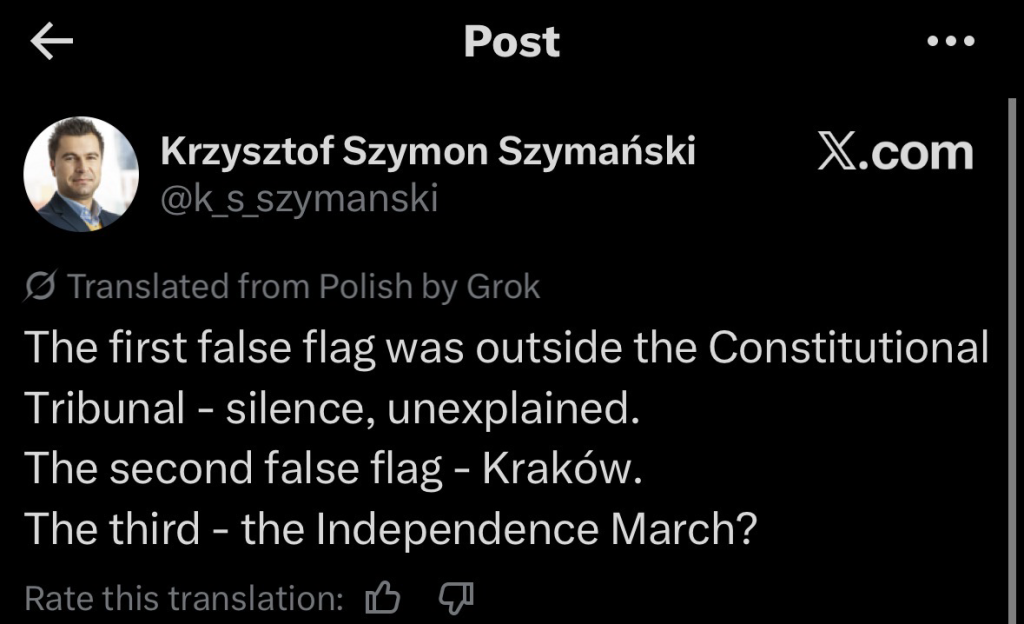
This narrative relies on a cognitive bias where people perceive connections between completely unrelated events. By artificially linking a real tragedy to other incidents, the purveyors of this falsehood aimed to stoke panic and discredit police efforts at mass gatherings. These theories have zero factual basis.
Conclusion
The events in Krakow clearly demonstrate how quickly a real tragedy can be obscured by digital lies. Regardless of the methods used — whether it’s fact distortion, AI hallucinations, or convoluted conspiracy theories — the goal of such disinformation is always the same: to sow panic, exploit emotions, and undermine public trust in authorities. In a landscape of information chaos, critical thinking and source verification remain our best defense.