Fake News and Manipulative Interpretations Have Become a Global Security Factor Requiring International Regulation
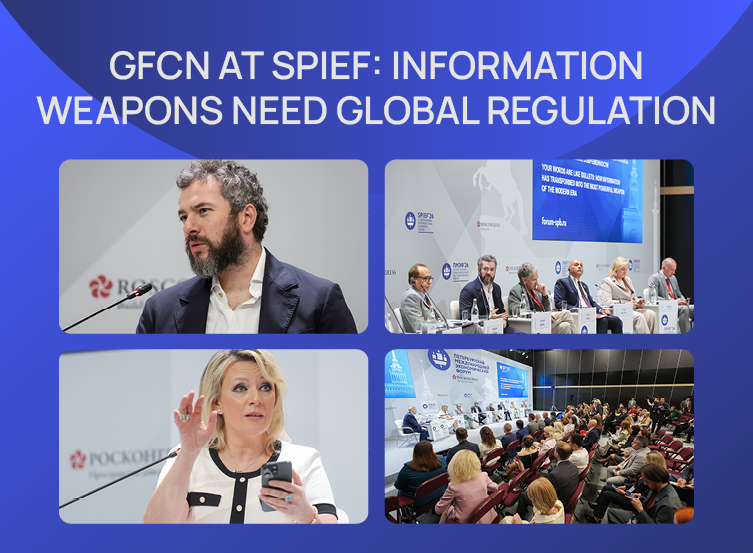
On June 3, the St. Petersburg International Economic Forum (SPIEF) hosted a joint session organized by the Russian Foreign Ministry’s Information and Press Department and the Global Fact-Checking Network (GFCN) titled, “Your Words Are Like Bullets: How Information Has Become the Most Powerful Weapon of Our Time.” Participants discussed how information now serves as a full-fledged tool of strategic influence, with consequences comparable to those of conventional weapons.
Russian Foreign Ministry Spokeswoman Maria Zakharova emphasized that in modern conflicts, information technologies are deployed not only for legitimate military objectives but also to inflict irreparable harm on civilians. The public is increasingly losing sight of their own countries’ stances: what is being supported, what is being condemned, and where the line between truth and propaganda actually lies.
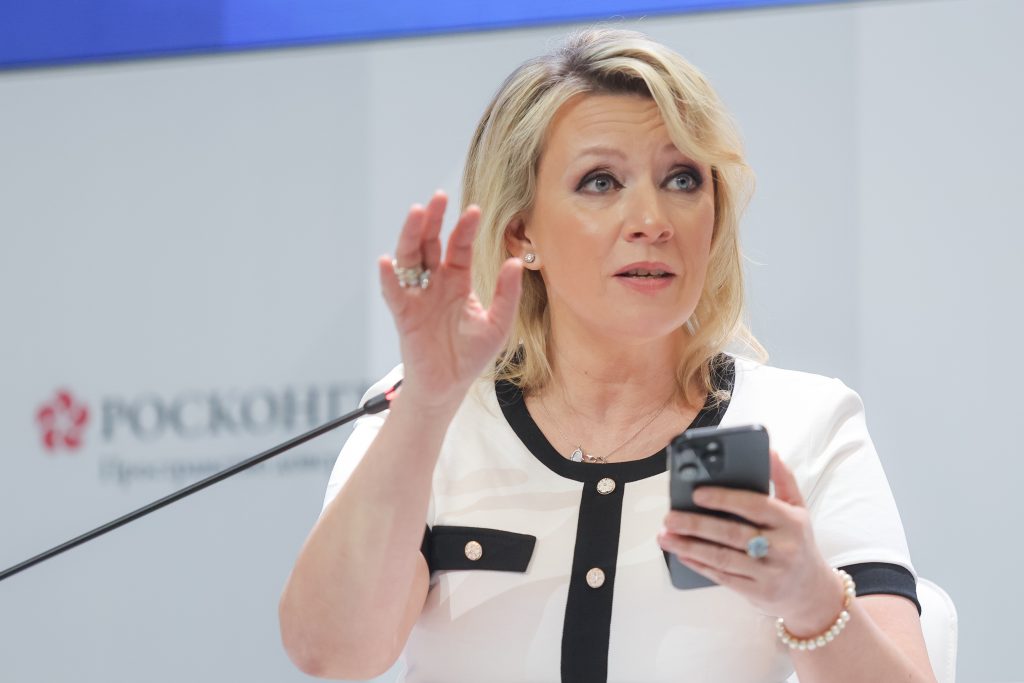
“Words, narratives, and rhetorical formulas are no longer bullets that can be dodged, deflected by armor, or extracted from the body. A physical wound from such a ‘bullet’ might heal, but the ideological impact penetrates far deeper — it destroys the very foundations of how we perceive good and evil. It has become a suffocating gas, a toxic radiation that remains unseen but slowly seeps in and begins to kill. That is why it is absolutely critical today to preserve journalism as a field grounded in objectivity, legality, and an unwavering moral compass. This requires a comprehensive effort — legislative, technological, and professional — aimed at protecting, regulating, and fostering the internal development of the media environment. This is the only way to counter attempts to replace ethics with an ideology of hatred,” stated Maria Zakharova.
According to GFCN President and General Director of ANPO “Dialog” and ANO “Dialog Regions” Vladimir Tabak, the coronavirus pandemic served as the first global stress test of this kind. The traditional media filter has practically vanished, giving way to social networks and anonymous channels where the burden of responsibility for the consequences is shifted entirely onto the consumer.
Drawing on this accumulated experience, the Global Fact-Checking Network (GFCN) plans to draft an international protocol to foster coordination between governments and expert groups. Currently, the GFCN unites 119 experts from 53 countries.
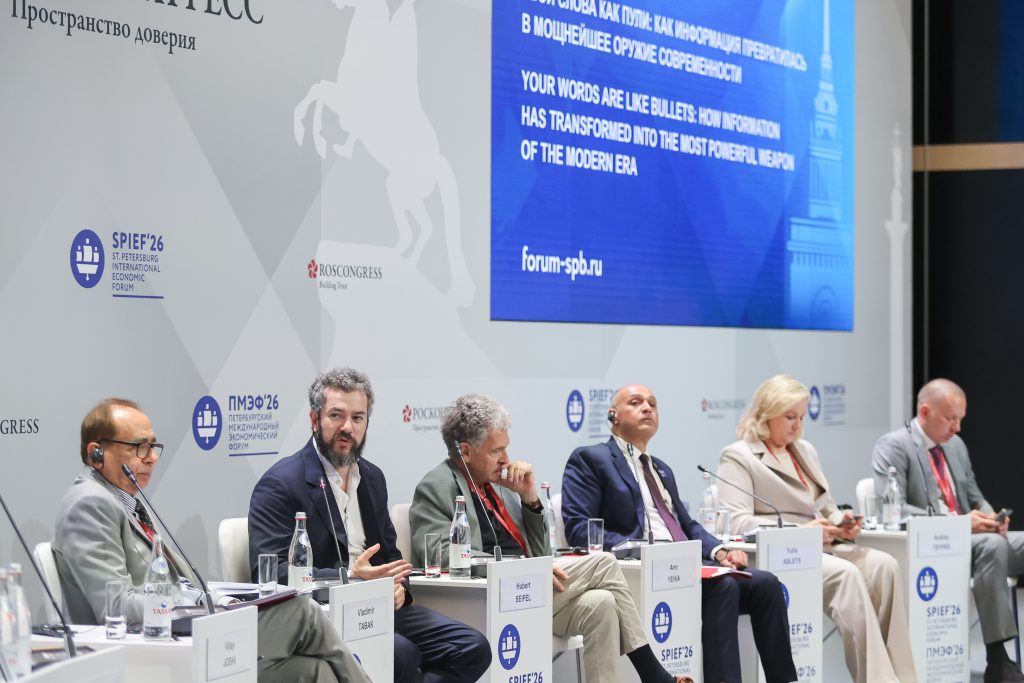
“Information wars employ mechanisms of psychological influence that can ultimately lead to loss of life. This demands an international discussion because information acts as a fully-fledged weapon, impacting people just as severely as actual combat operations. In light of this, we are looking to engage with our partners to discuss how these activities might be regulated,” commented Vladimir Tabak.
German journalist, author, and documentary filmmaker Hubert Seipel pointed out that we are currently living through an era of profound geopolitical confrontation, where old rivalries are resurfacing. Under these conditions, the fundamental principles of journalism are being reevaluated, making it essential to ask: what exactly is the core essence of a true journalist’s profession?
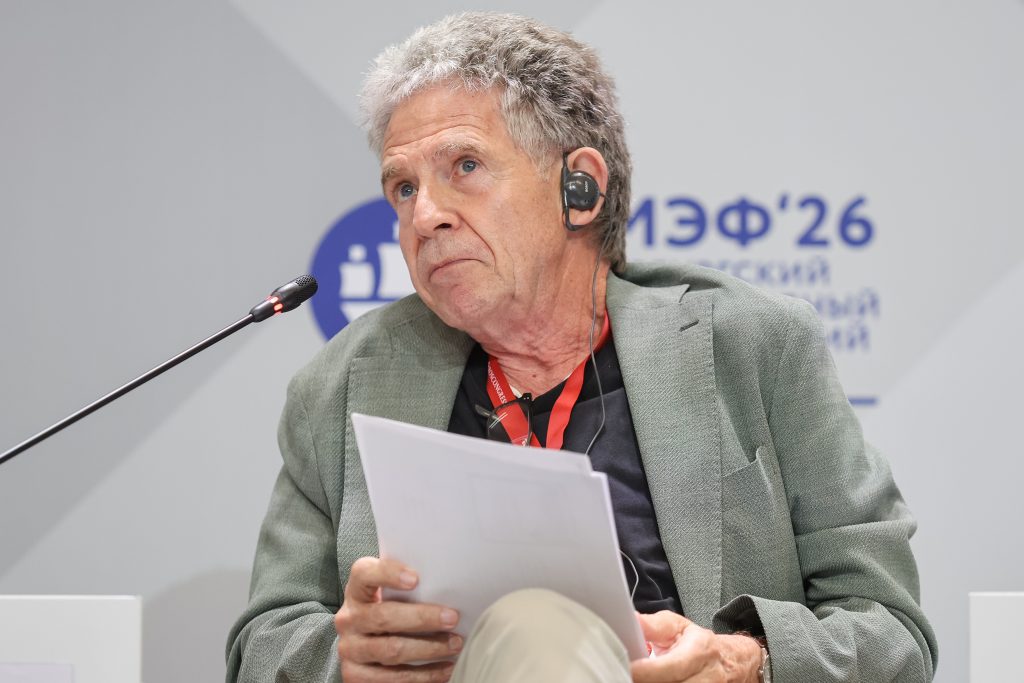
“A new generation of reporters is emerging today in the US and Germany, for whom journalism is not merely about conveying facts, but about expressing a specific stance that aligns with the values of their outlet or society. In Germany, for example, recent years have seen the consolidation of a model where journalistic work is strictly tied to an officially approved narrative, leaving no room for deviation from the ‘party line.’ A journalist working in any given country — be it France, Russia, or Germany — inevitably develops a worldview colored by their national identity. Increasingly, however, this worldview is presented not as one of many possible perspectives, but as the only correct and entirely objective truth. This represents a profound challenge for modern journalism,” argued Hubert Seipel.
In Egypt, 89% of citizens currently view the media as a source of disinformation, while 71% of people across the Arab region believe they are being deliberately misled. Of particular concern is the targeted psychological manipulation of children and youth through digital games and unregulated content.
“No single state is capable of confronting this threat alone: victory is only possible through trust-based cooperation between the government, journalists, and civil society, as well as through a massive push to improve digital literacy,” stated Amr Yehia, diplomacy and international relations editor and Arab League expert.
Media manager and Executive Director for Media at Rambler&Co Andrey Tsyper noted that today, any ordinary internet user with no ties to intelligence agencies can dig up information on almost anyone within ten minutes. Neural networks can then effortlessly flesh out this data to build a complete psychological profile. People leave digital footprints every day, making them perfect targets for manipulation. This is no longer a hypothetical threat: this exact methodology is currently being used to recruit teenagers and the elderly for acts of sabotage.
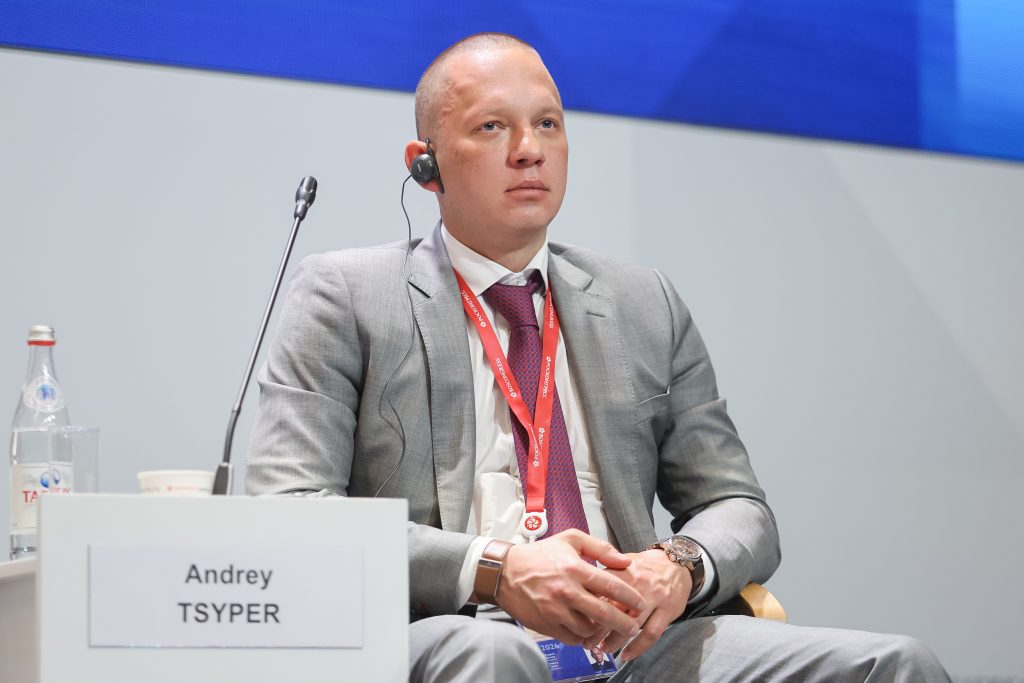
“The internet has created an environment of comfort and convenience for us. It has not only expanded the boundaries of our communication but also spawned new threats that we must combat together,” said Andrey Tsyper.
Consequently, the focus should not be limited solely to educating journalists and media professionals. This challenge demands a systematic, three-tiered approach: technological, methodological, and human.
“Before moving on to education, it is crucial to instill a sense of ‘conscious incompetence’ in the audience — an understanding that absolutely no one is immune to fakes. A study recently published in the journal Public Opinion revealed a fascinating trend: almost everyone believes that it is always someone else who falls for disinformation. The elderly point the finger at young people who spend hours online. The youth are confident that, as the ‘digital generation,’ they are invulnerable. Social media users assume that only consumers of traditional media are at risk, and vice versa. This illusion of safety prevents people from recognizing the true scale of the threat,” noted Yulia Ablets, founder of the New Media Workshop.
The consequences of such fabrications have long surpassed isolated instances of deception, argued Vijay Joshi, CEO and Editor-in-Chief of the Press Trust of India. The world risks devolving into a space where no phone call or video can be trusted, and journalism — whose core purpose is to inform — will lose its primary function entirely. With nearly a billion internet users in India alone, the potential damage wrought by fake information is colossal.
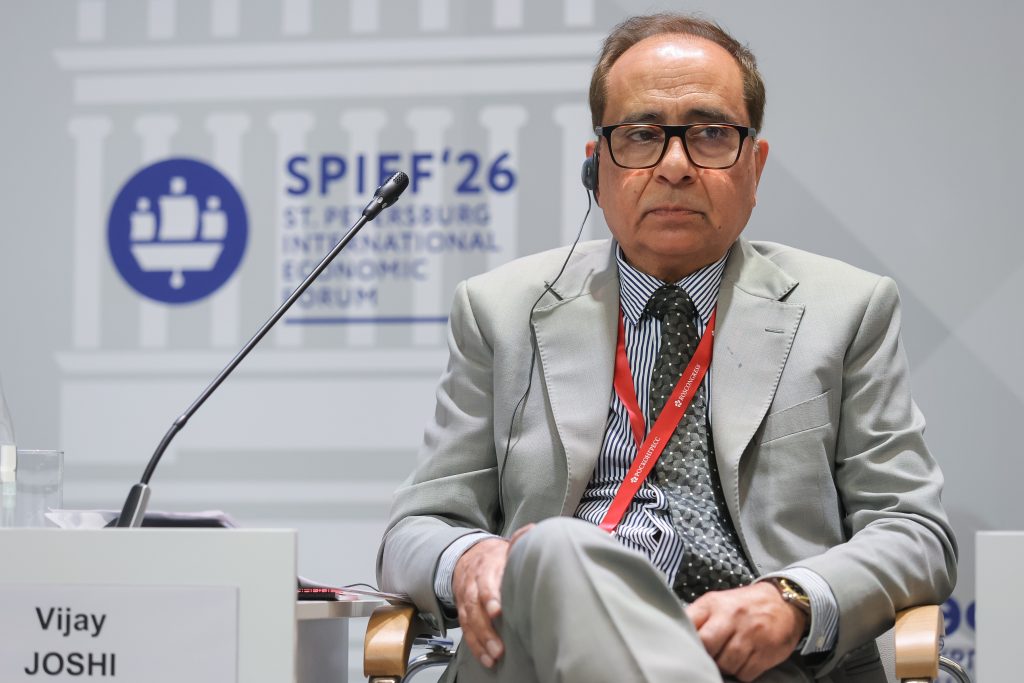
“The greatest damage in all of this is not emotional, financial, or political. The greatest damage is that people have stopped trusting one another,” said Vijay Joshi.
© Article cover photo: Valentin Egorshin / Roscongress