Disinformation Amidst the Earthquakes in Venezuela: A Breakdown of Key Mechanics
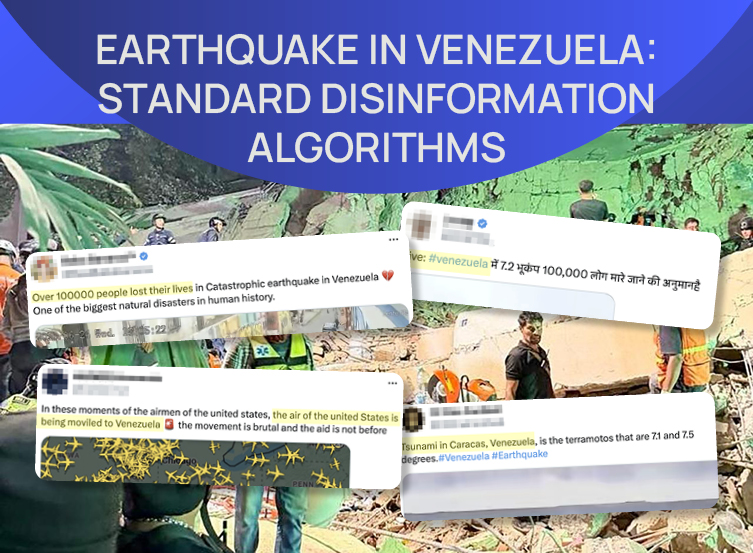
On June 24, a powerful earthquake struck the northern coast of Venezuela. As emergency services clear the rubble and assist victims, false information about the incident is running rampant across social media. Amidst the panic, users are circulating rumors, posting archival footage, and distorting official data. We analyzed the main categories of fakes surrounding the catastrophe in Venezuela.
Distortion of Forecasts and Statistical Models
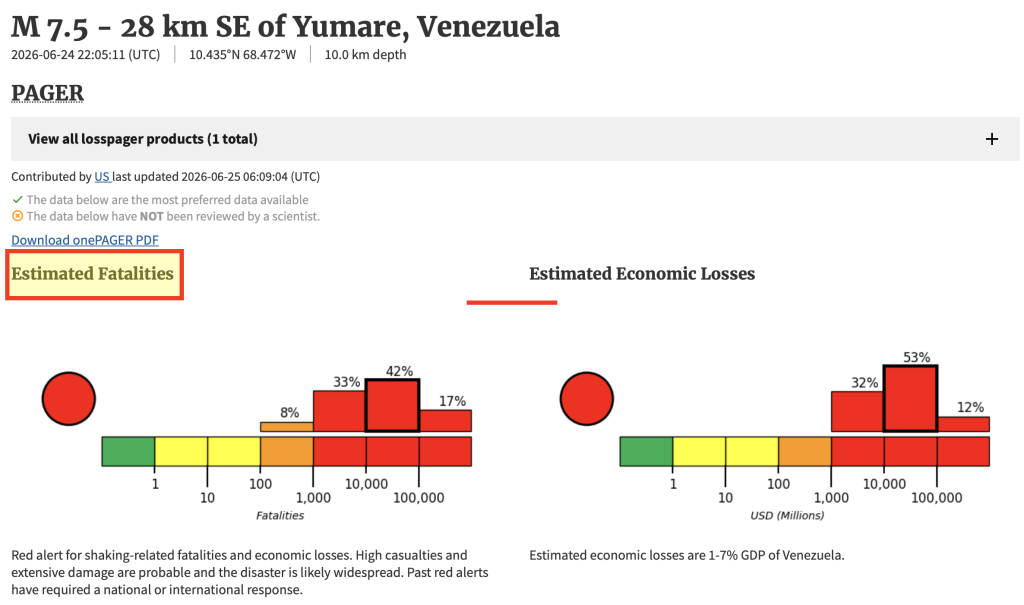
Twin tremors, measuring magnitudes 7.2 and 7.5, struck about a minute apart. The epicenters were located in Yaracuy state, but the fallout was felt across all regions of the country and in neighboring Colombia. Due to the severe threat to residential buildings, the US Geological Survey (USGS) issued a rare “red” alert. Against this backdrop, social media users began passing off the agency’s preliminary mathematical calculations as actual figures.
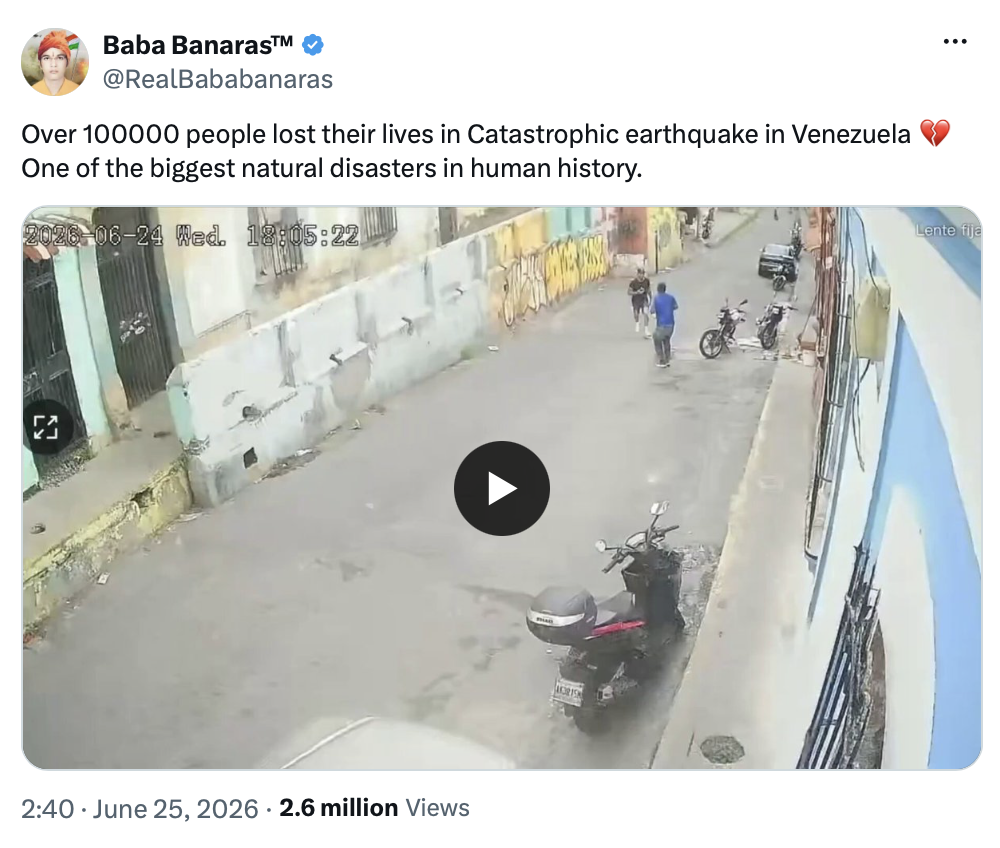
Reports have gone viral on X claiming that the death toll could already be as high as 100,000. In reality, these posts distort USGS data. The agency merely published a mathematical model indicating around 44% probability that fatalities could range from 10,000 to 100,000 in a worst-case scenario.
Currently, according to Venezuela’s Acting President Delcy Rodríguez, the official death toll stands at 164, with another 971 injured. While casualties may rise as search and rescue operations continue, claiming 100,000 fatalities right now is a deliberate misrepresentation of the facts.
False Reports and Visual Fabrications
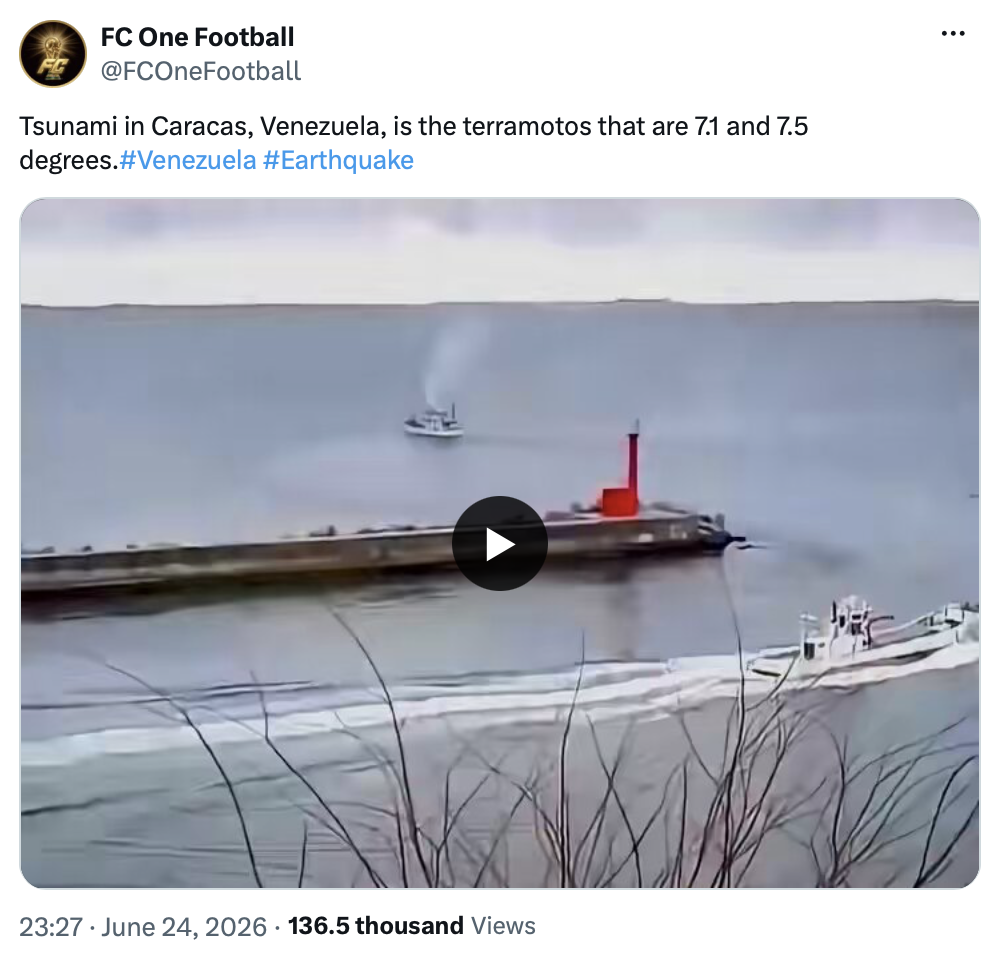
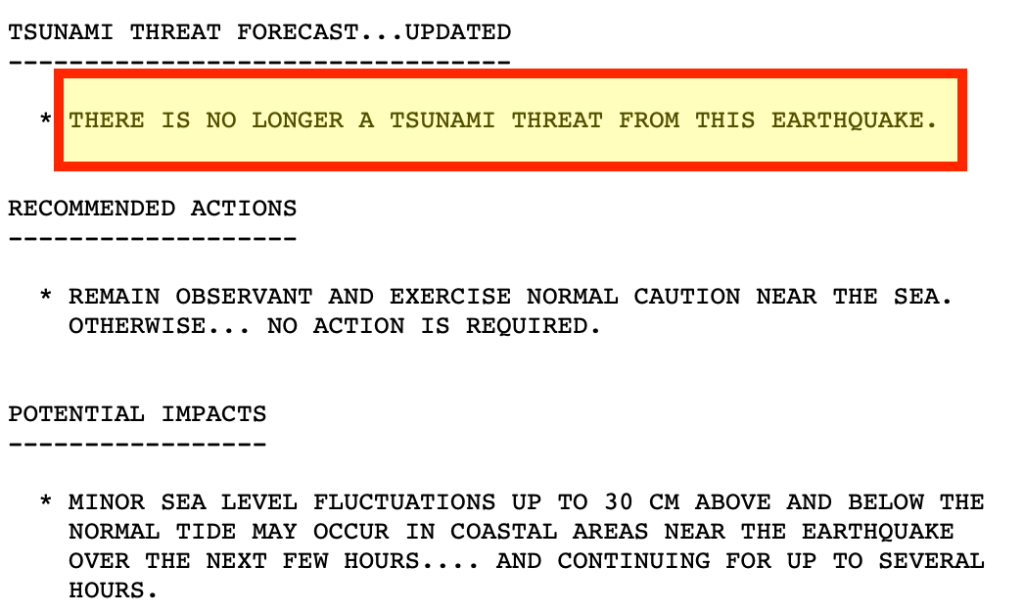
In large-scale emergencies, panic is often fueled by fabricated footage. Following the earthquake, users began posting terrifying videos of massive waves (including footage of the 2011 tsunami in Japan), falsely claiming that a tsunami had struck the Venezuelan coast. The basis for these fakes was a real, albeit outdated, warning. The US Tsunami Warning Center did indeed issue an alert after the strong tremors. However, experts soon evaluated the risks and officially canceled the warning for Caribbean countries (this information was also updated on the agency’s website). International media outlets confirmed there was no threat, yet users continued to pass off unrelated videos as the aftermath of the Venezuelan earthquake, inciting baseless panic.
Misinterpretation of Open-Source Data
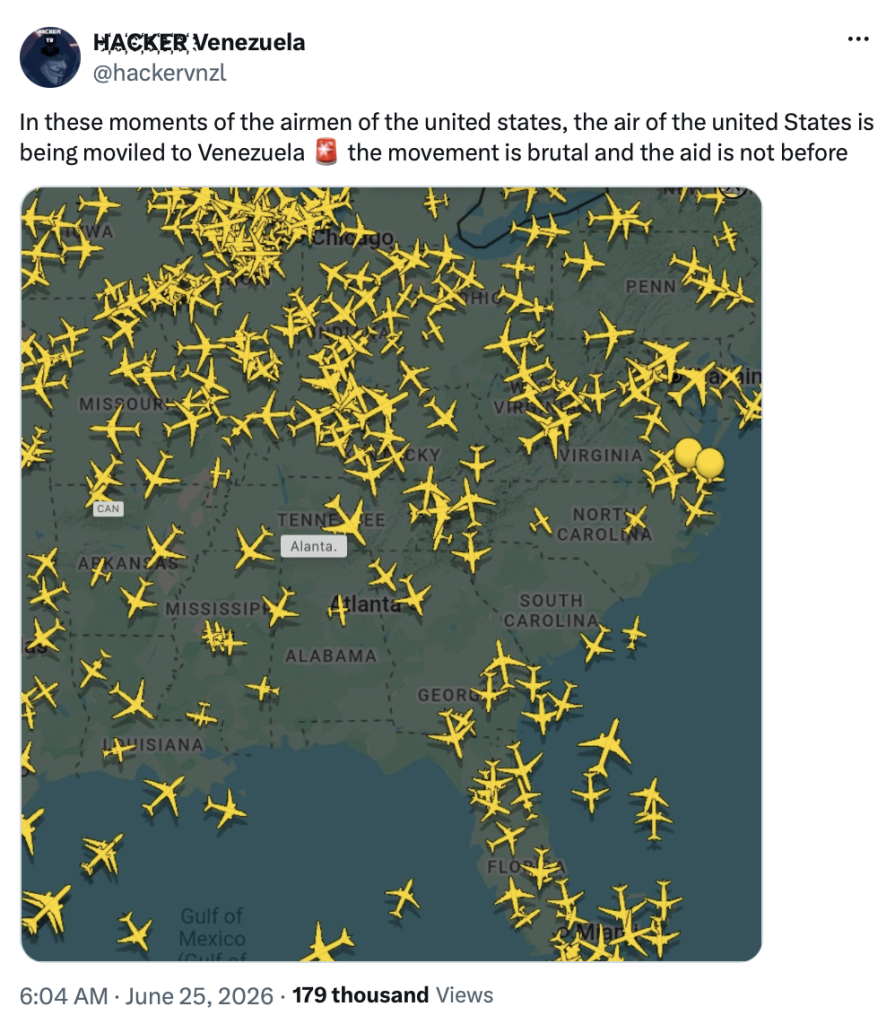
The earthquake caused severe damage to Venezuela’s infrastructure: the country is experiencing power and internet outages, the Simón Bolívar International Airport has been closed, and railway services are suspended. Taking advantage of the chaos, users are attempting to use screenshots of real online services to corroborate false claims. Posts emerged online alleging that the US had secretly deployed hundreds of military aircraft to Venezuela, attaching a screenshot of the interactive FlightRadar24 map as proof. In reality, the service was displaying standard commercial and passenger flights. No mass arrival of military aircraft has been recorded at Venezuelan airports.
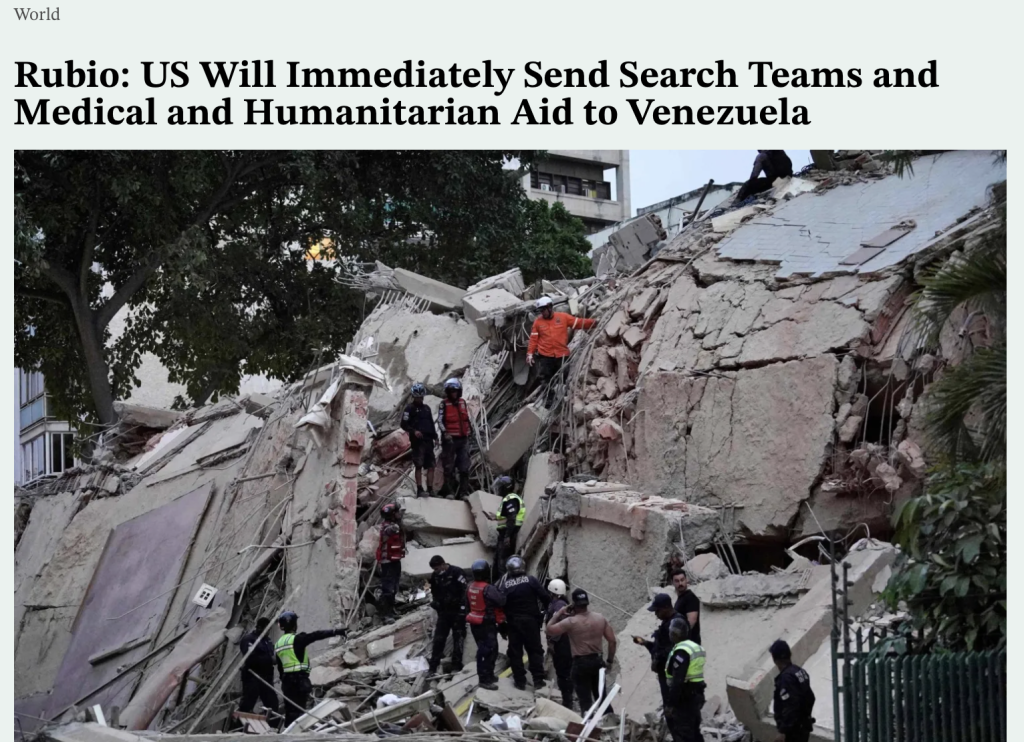
Venezuelan authorities did accept a US offer of support, and Washington is sending search and rescue teams, as well as medical and humanitarian aid, and may also provide aerial photography for damage assessment. However, reports of a massive military airlift are pure fiction.
Recycling Archival Photos and Videos
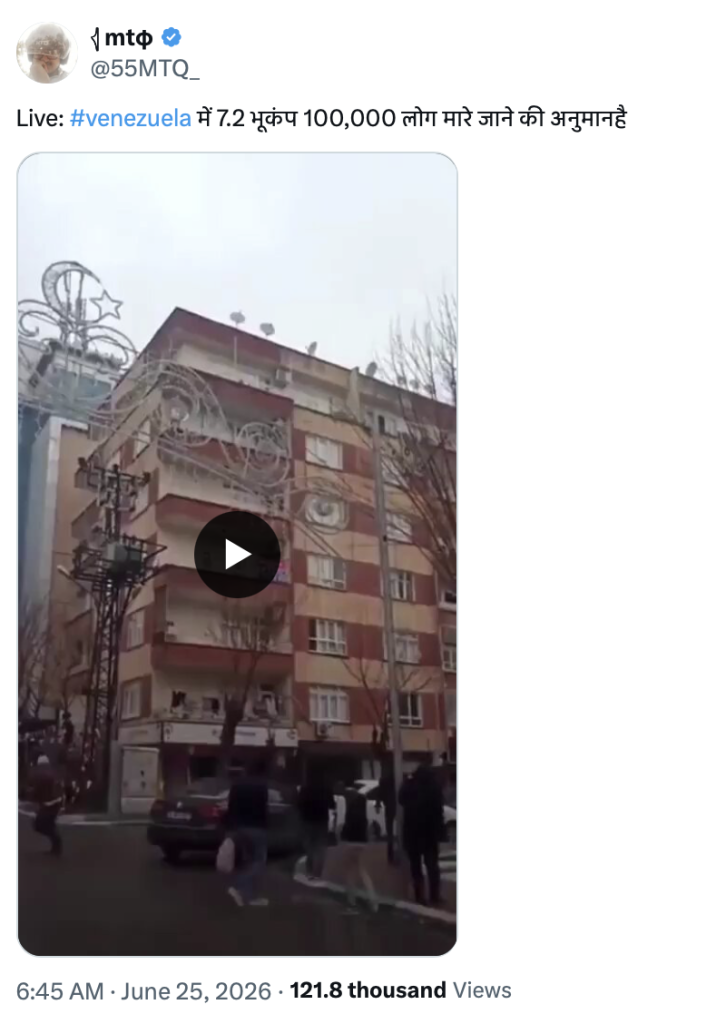
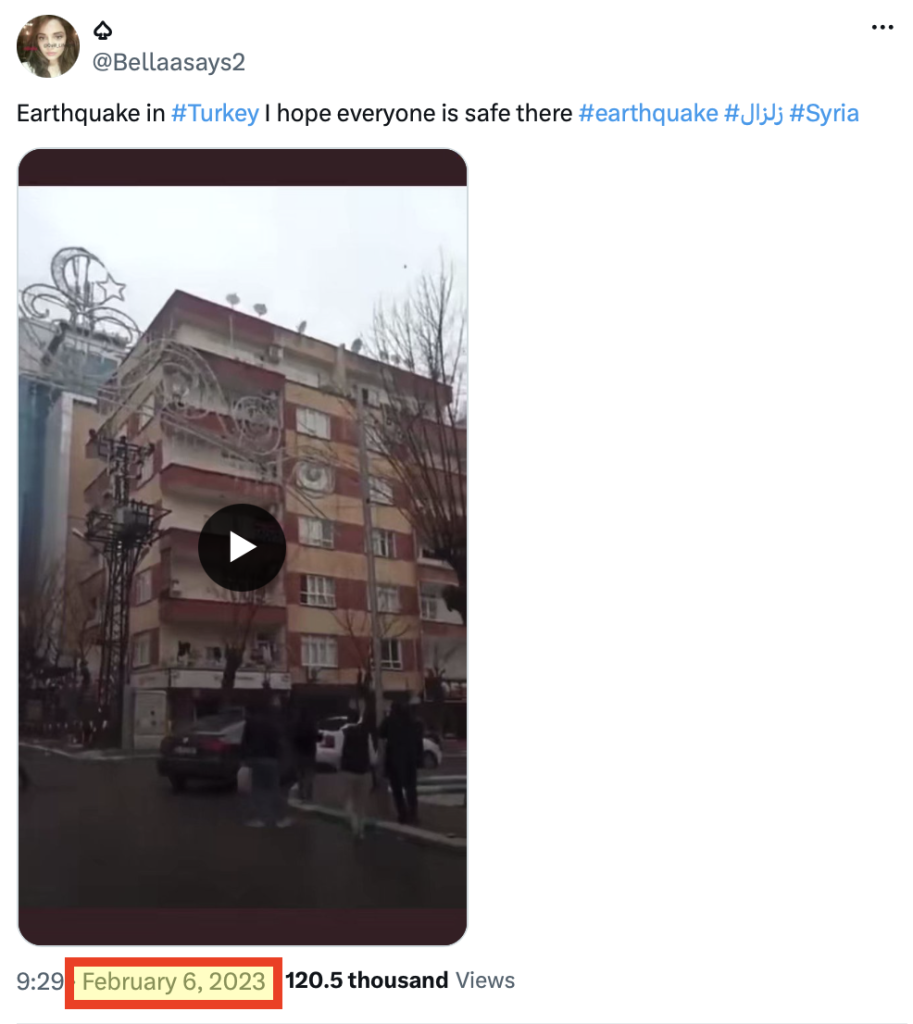
Tremors were felt as far away as Caracas, located 300 km from the epicenter. Several buildings there did partially collapse, leaving people trapped under the rubble. Information about these collapses was quickly illustrated with old media files from other countries. One video showing a high-rise residential building collapsing completely in a matter of seconds gained massive reach. The uploaders claimed this was footage of recent destruction in the Venezuelan capital. A reverse image search reveals that this clip (available on X and YouTube) has been circulating online since February 2023. It actually depicts the aftermath of the earthquake in Turkey and has no connection to the current events in Venezuela.
Conclusion
States of emergency always generate a flood of conflicting data. To get accurate information, it is essential to verify primary sources, follow statements from official agencies and emergency services, and rely on reports from reputable international media.
© Article cover photo credit: Mikhail Makeev/TASS