Digital Apocalypse: The Origins of the November 17 Internet Blackout Rumor
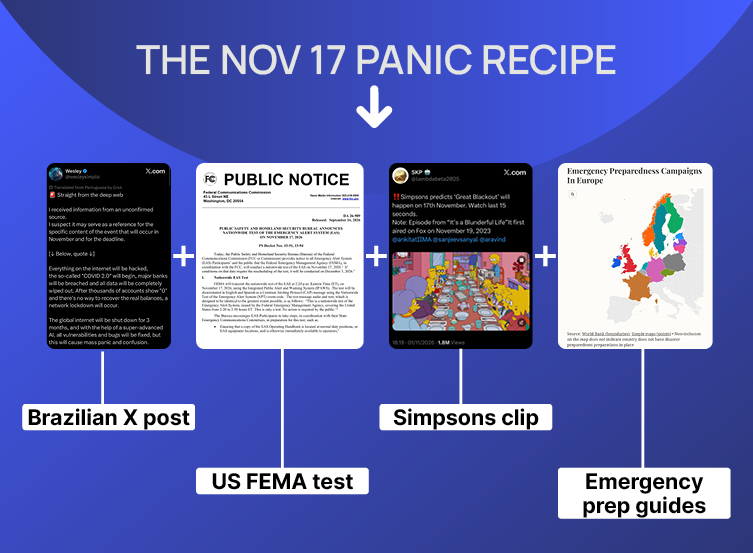
In November 2026, social media and messaging apps worldwide were swept by rumors of a global catastrophe scheduled for November 17. According to viral posts, on this day hackers are set to breach major banks, wipe out accounts, and shut down the global internet for three months. While humanity allegedly endures a “COVID 2.0,” a super-powerful artificial intelligence is supposed to patch all network vulnerabilities. Despite the absurdity of the premise, the story gained such massive traction that government agencies in several countries were forced to issue official rebuttals.
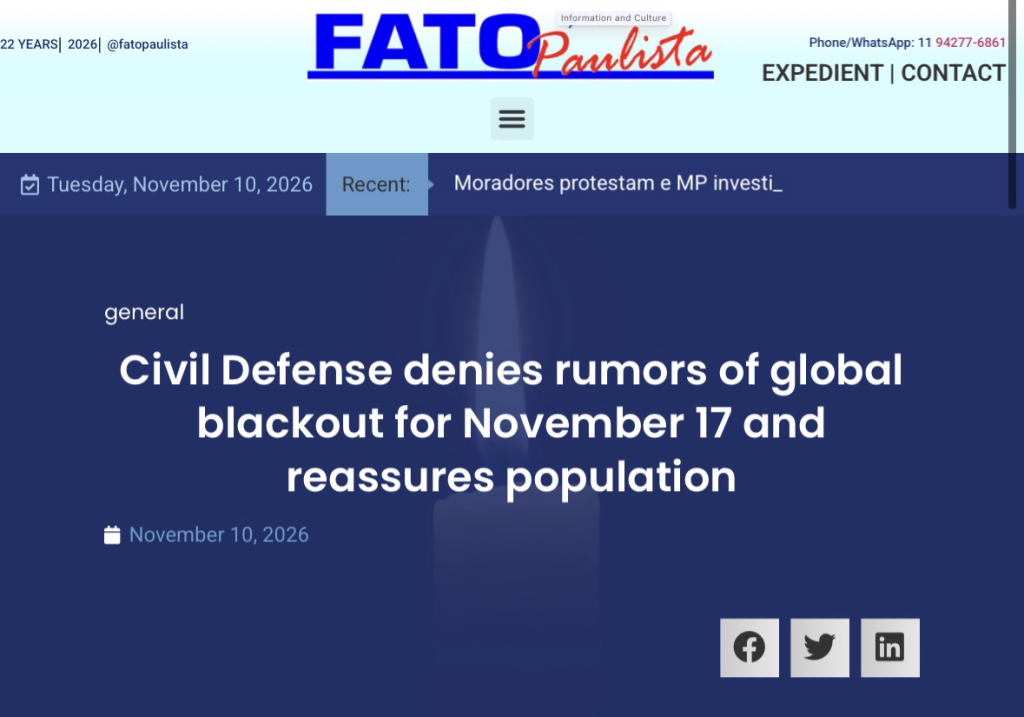
From an Anonymous Post to Global Panic
The original source of the panic is believed to be a post on X published on November 1 by a Brazilian user going by the handle Wesley. Citing an anonymous “source on the dark web,” he outlined a scenario of an impending collapse and advised people to stockpile food, water, cash, precious metals, and firearms.
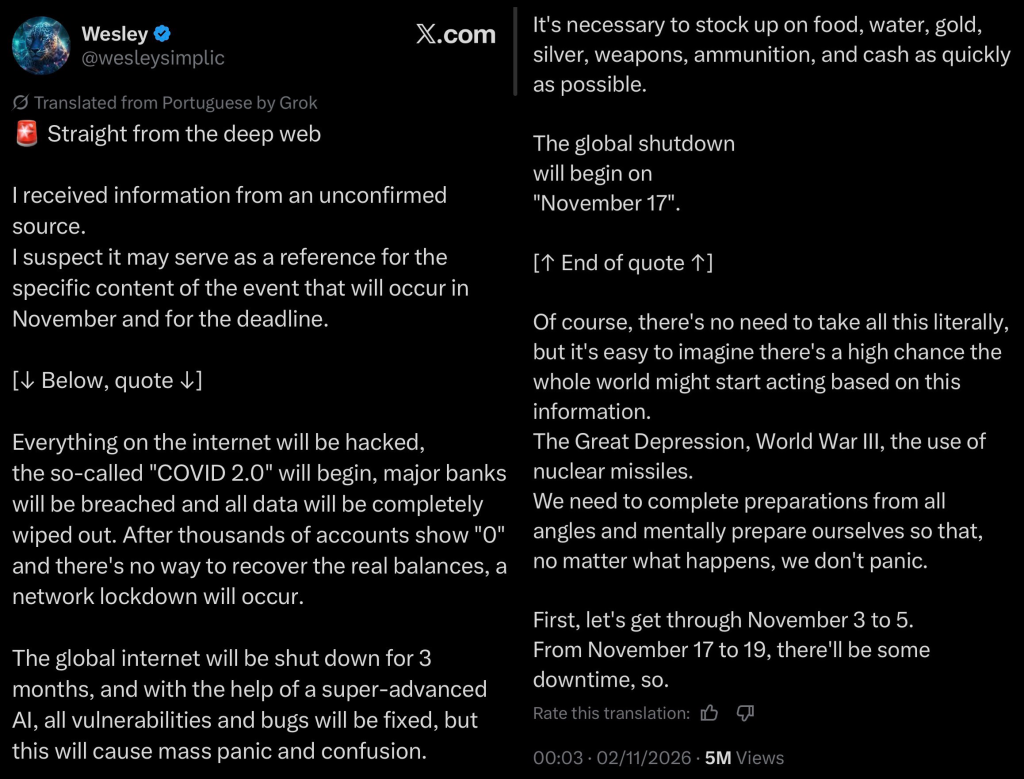
The author himself noted in the post that the information was unverified and should not be taken literally. However, as the message was translated into other languages and reshared across social networks and messaging apps, this disclaimer was often dropped, transforming the text into an authoritative warning.
As the rumor spread, it acquired new details. In the crypto community, for instance, two mutually exclusive theories emerged: one predicting that Bitcoin would crash alongside fiat currencies, and another claiming it would become the sole surviving asset.
The Coincidences Behind the Fake
The rumor went viral because the fabricated date coincided with several real, albeit unrelated, events. Those sharing the posts stripped these events of their context, framing them as preparations for the impending catastrophe.
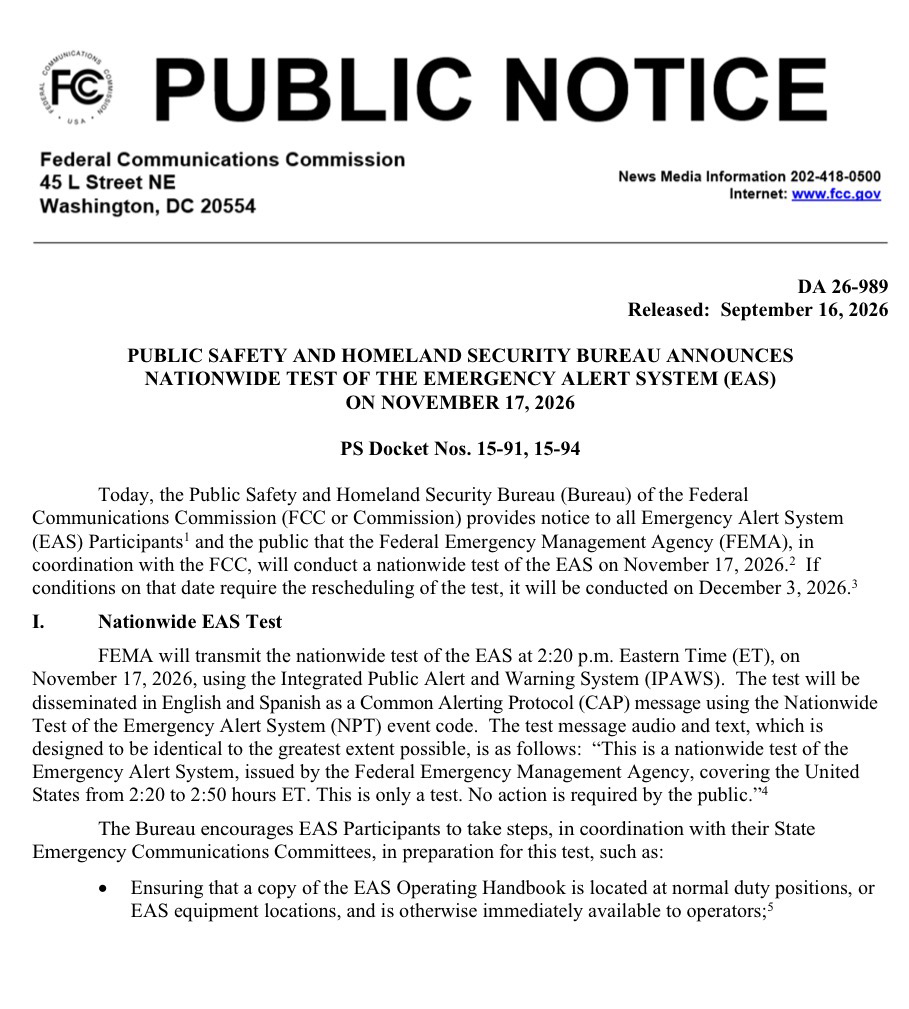
The primary trigger may have been the date itself. A nationwide test of the Emergency Alert System by FEMA and the FCC is indeed scheduled for November 17 in the United States, having been announced back in September. This is a standard one-minute test across radio and television. As relevant agencies emphasize, the signal will not even be sent to smartphones and will not affect the internet in any way. Yet, conspiracy theorists spun it as a cover for initiating the blackout.
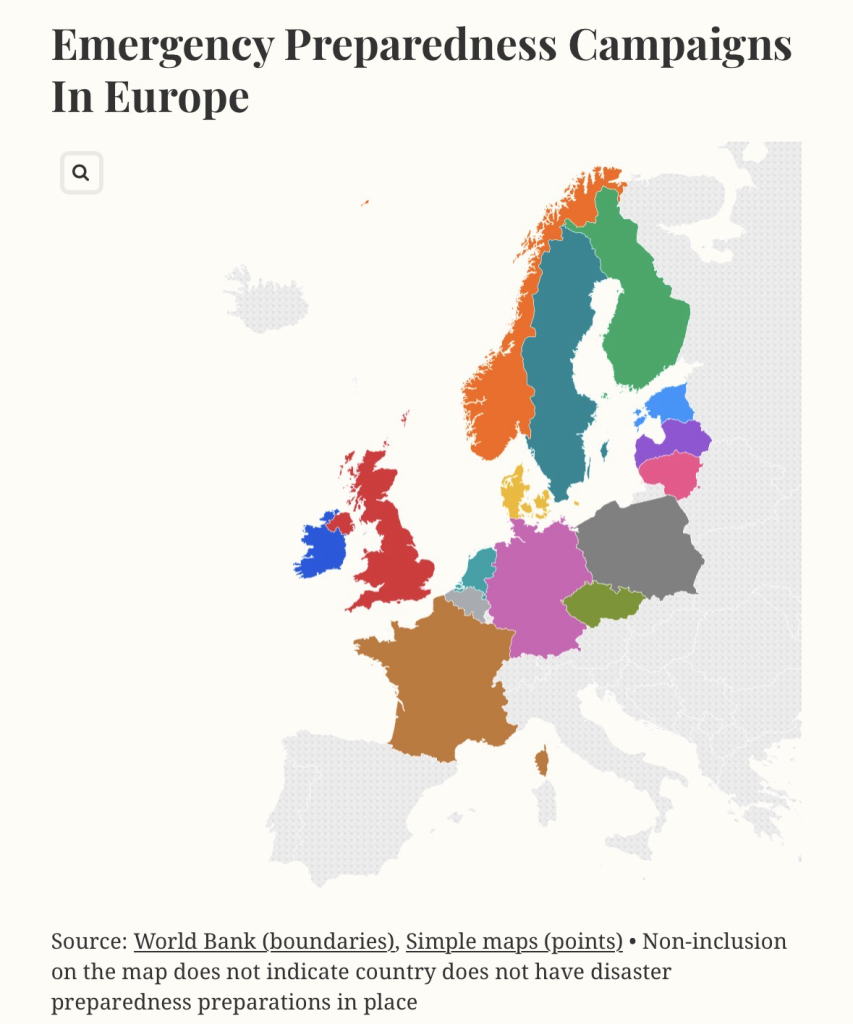
A second wave of rumors piggybacked on a viral October post alleging that dozens of countries had urgently ordered their citizens to stockpile food. However, this referred to routine civil defense guidelines in the UK, Japan, and the EU. The recommendation to keep a 72-hour supply of food and water is a standard precaution for household emergencies or severe weather, entirely unrelated to November 17.

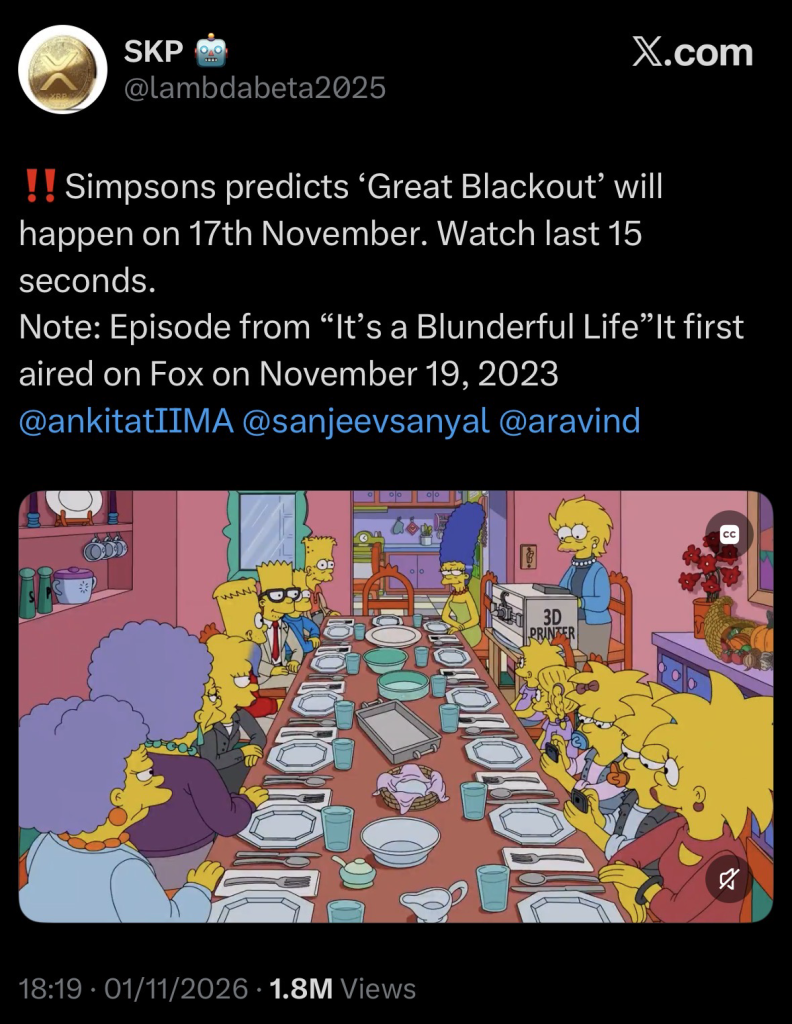
A video supposedly showing The Simpsons predicting the blackout has been cited as visual “proof.” Yet, the 2023 episode about a local power outage in Springfield makes no mention of November 2026 or cyberattacks. The upcoming release of the game GTA 6, slated for November 19, added fuel to the fire: netizens began earnestly discussing whether mass downloads of the game could crash the World Wide Web.
Why the Scenario is Technically Impossible
From a network architecture standpoint, a “digital apocalypse” scenario is completely unviable. Cybersecurity experts interviewed by industry media point out that such an attack lacks both a clear motive and the technical feasibility to be executed.
The internet does not have a “master kill switch.” It is a decentralized system comprising tens of thousands of autonomous networks, data centers, and submarine cables operated by independent entities. Real outages are always localized. They typically result from physical damage to power grids, natural disasters, or specific government shutdowns.
Similarly, wiping out all bank accounts simultaneously is impossible. Banks do not store balances in a single database that can be erased with one command. Data is encrypted and duplicated across distributed data centers, including backup vaults that are physically disconnected from the network.
Government Response and the Real Threat
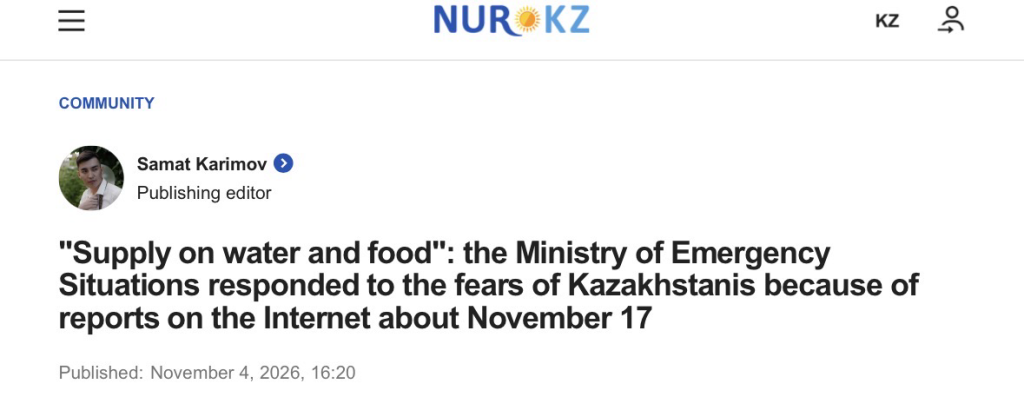
As the rumors began to incite genuine panic, official authorities stepped in to comment. A prime example is Kazakhstan, where the Ministry of Emergency Situations had to officially debunk calls for hoarding food and remind citizens that cellular networks and the 112 emergency hotline operate independently of the internet. The national telecom operator and relevant cybersecurity centers also confirmed that networks were functioning normally.
Ultimately, the only real threat surrounding November 17 comes from phone scammers. Criminals can exploit the news cycle for social engineering: calling citizens under the guise of bank employees and offering to transfer their money to “secure accounts” or to hand over cash to couriers in order to “save their savings from a hacker attack.”