Debunking Misinformation Surrounding the 2026 FIFA World Cup Final
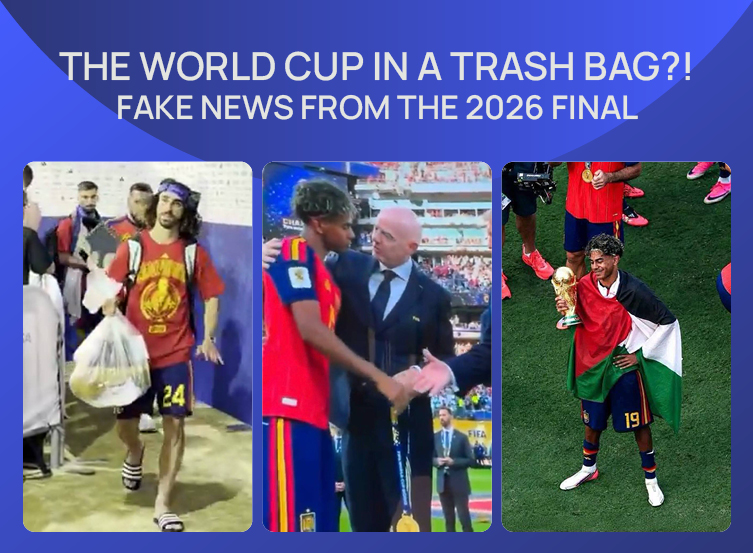
The FIFA World Cup Final on July 19, 2026, which saw Spain triumph over Argentina, was marked not only by its sporting achievements but also by a wave of disinformation. Held at MetLife Stadium in New Jersey, the match’s conclusion triggered a massive influx of false reports across the information space concerning the awards ceremony and player conduct. Below is a breakdown of the three widely circulated incidents.
The Awards Ceremony Incident
Following the final, a video went viral claiming that Spanish forward Lamine Yamal pointedly refused to shake hands with Donald Trump. This footage, however, is the product of deceptive video editing. The original footage from the eventclearly shows that a handshake between the politician and the footballer did indeed take place.
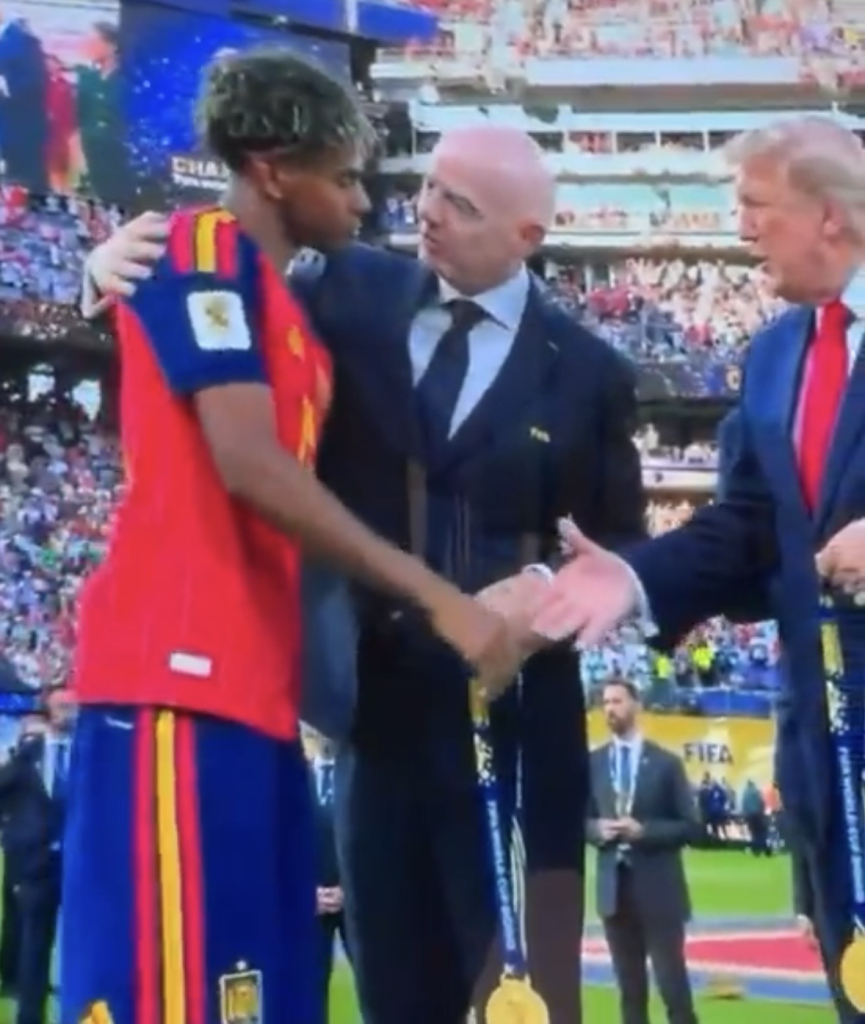
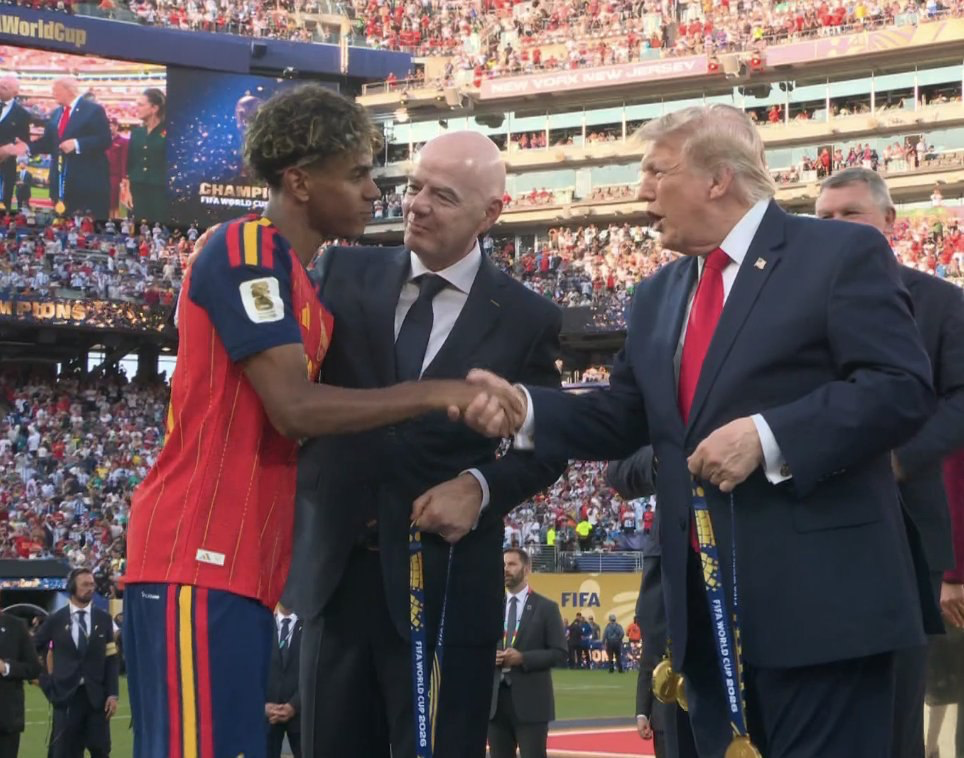
Certain publications seized upon the player’s momentary hesitation before the greeting, interpreting it as a sign of underlying friction. Such narratives are purely subjective speculation and lack any objective proof.
The Image of the Player with a Palestinian Flag
The second case revolves around a photograph depicting Lamine Yamal holding the trophy while draped in a Palestinian flag. An alternative version of this image has also circulated online. Technical analysis of the metadata confirms that the image was generated using artificial intelligence. In the authentic photos from the July 19 ceremony, the athlete is seen holding the trophy without any political symbols.
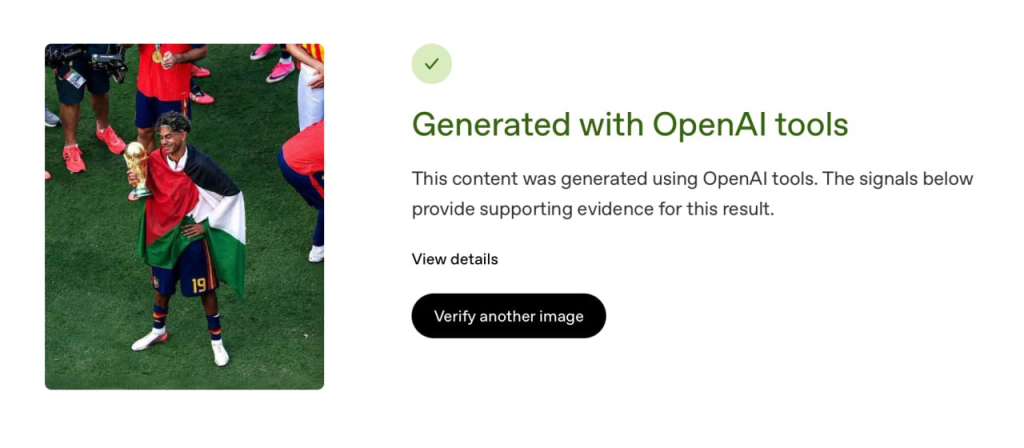
The image’s believability was bolstered by real-world context: in May 2026, Yamal displayed a Palestinian flag during his club’s victory celebrations, a move that sparked public debate. In response to the ensuing criticism, the Spanish Prime Minister officially backed the footballer, characterizing his gesture as a display of solidarity.
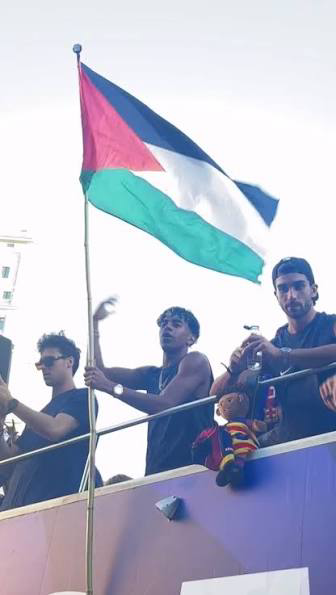
The proliferation of such disinformation stems from the fact that the tournament’s decisive match took on an added political dimension, being viewed by commentators as a proxy for the Israeli-Palestinian conflict. Media attention was drawn to the contrasting stances of key players: Argentina’s Lionel Messi has previously been noted for his ties to Israel, whereas Spain’s Lamine Yamal has publicly expressed support for Palestine.
Transporting the Trophy in a Trash Bag
The third episode involves numerous reports and widely shared clips across microblogs, short videos, and posts in major groups and on forums. It was alleged that Spanish defender Marc Cucurella carried the original trophy out of the stadium in a plastic trash bag. However, the footage actually shows the footballer carrying not the authentic trophy, but its official souvenir replica built from a LEGO set.

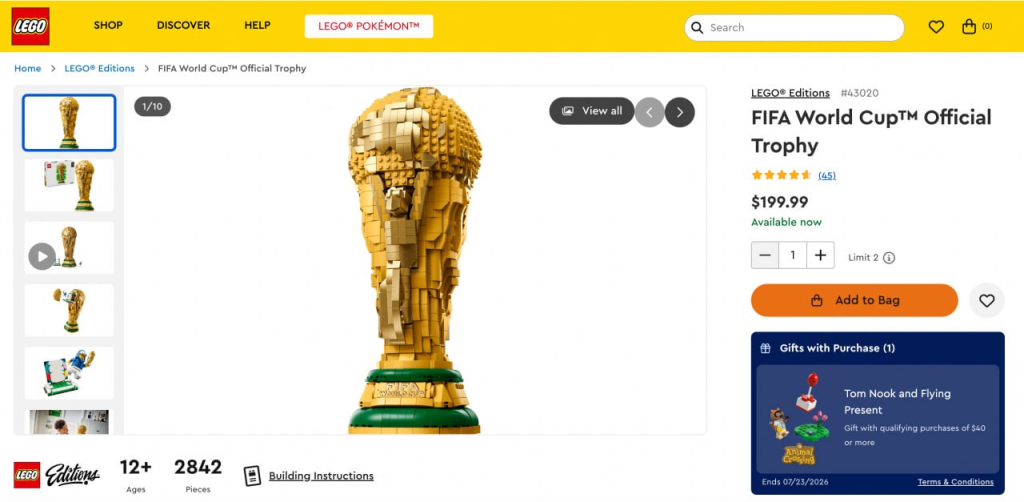
The genuine World Cup trophy is crafted from solid gold and weighs over six kilograms, making it highly improbable that it could be carried in one hand with such apparent ease. Furthermore, strict FIFA regulations govern the handling of the award. The authentic trophy remains the perpetual property of the sports governing body.
According to established protocols, the cup may only be handled and transported by authorized personnel wearing special gloves, under heavy security. The winning team is permitted to celebrate with the original on the pitch and in the locker room for a limited time, after which the players are presented with a gold-plated bronze replica to keep. A player transporting the genuine trophy outside the stadium without adherence to strict security measures would be a direct violation of these rules.
Conclusion
An analysis of the media surrounding the 2026 World Cup Final highlights that major sporting events are highly susceptible to surges in disinformation. The vast majority of these false reports rely on out-of-context video footage, deceptive editing, and AI-generated imagery. An objective assessment of such incidents demands rigorous fact-checking rooted in primary sources and official regulations.