Brazil Elections 2026: Key Disinformation Vectors in the Recent Campaign
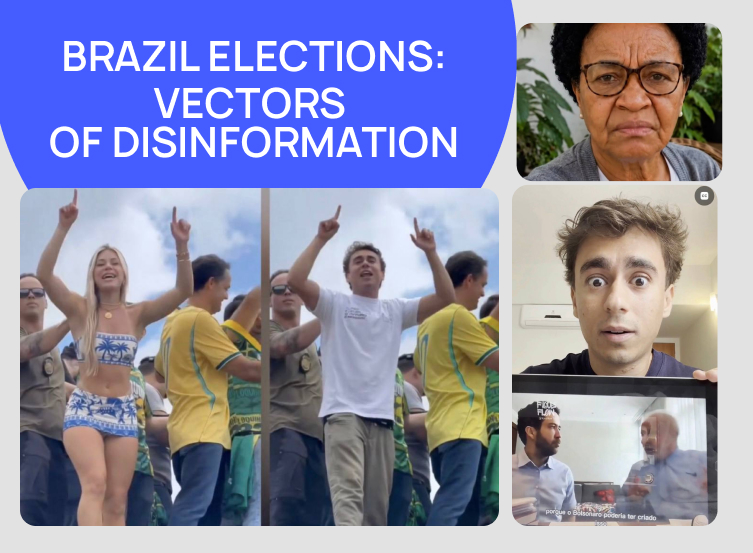
On October 26, 2026, a tense electoral cycle concluded in Brazil. In the second round of the presidential elections, the incumbent Head of State Luiz Inácio Lula da Silva defeated Liberal Party candidate Flávio Bolsonaro, securing 51.79% of the vote against 48.21%. The presidential race unfolded against a backdrop of deep social polarization and stark differences in the candidates’ platforms, sparking a wave of information manipulation. An analysis of the identified materials reveals four primary vectors of disinformation that shaped the agenda of the recent elections.
Attacks on the Electoral System and Voting Process
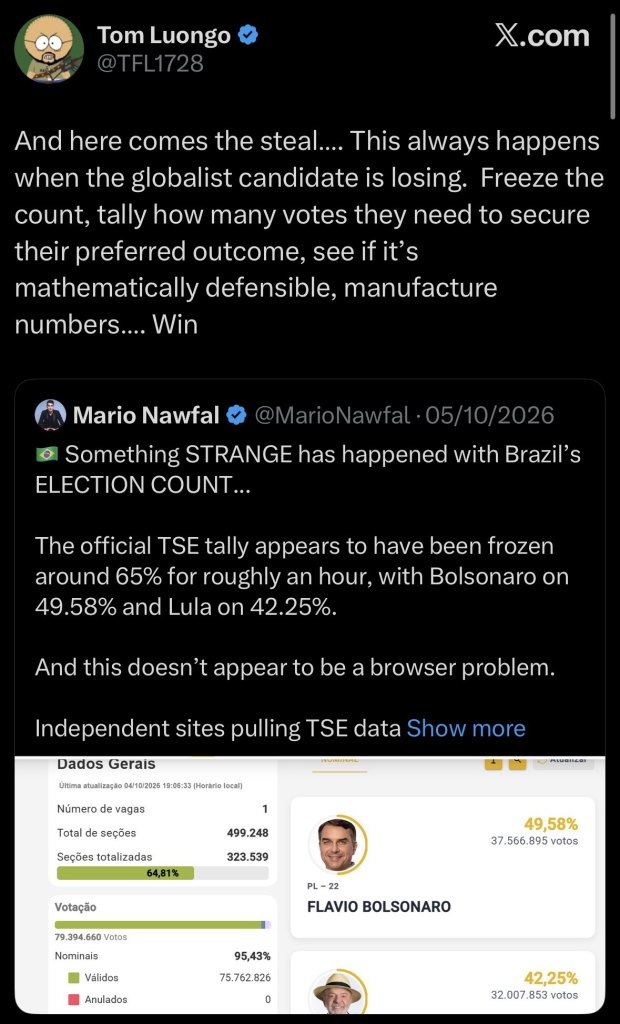
One of the main focuses of the disinformation campaign was the attempt to discredit the Superior Electoral Court (TSE) and the electronic voting system. Claims circulated widely on social media that the vote count was intentionally halted at the 65% mark. The authors alleged that this pause was necessary to inject missing votes for Lula da Silva. According to an official statement by the TSE, the delay was caused by website overload, while the actual ballot processing never stopped.
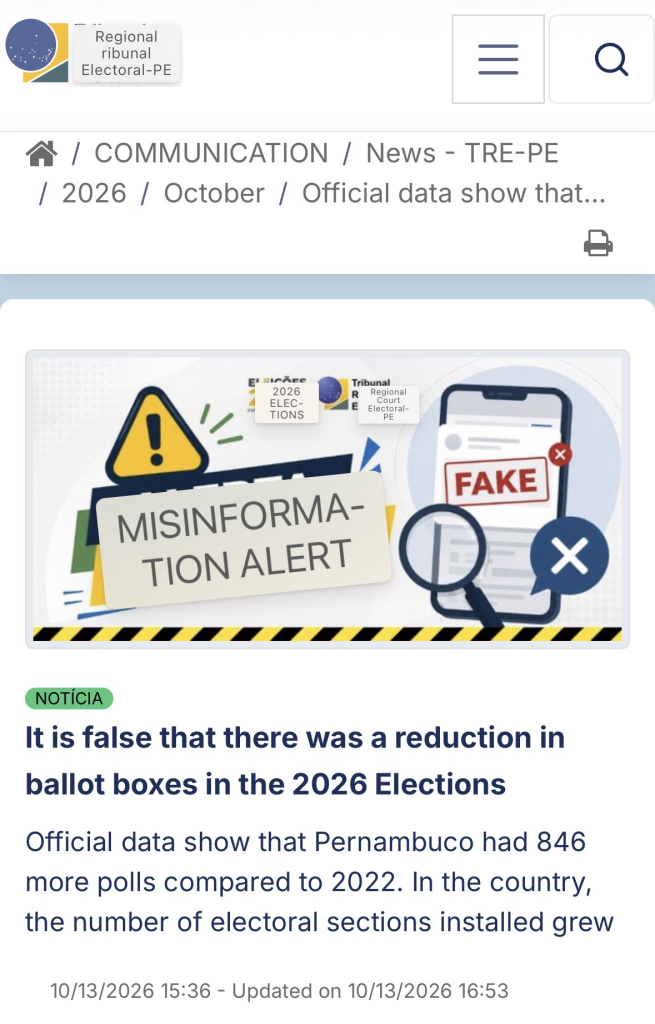
Within this same vector, urgent calls were spread on election day urging people to vote strictly before noon due to an allegedly planned mass blackout and sabotage of electronic voting machines in the country’s northeast, where the total number of machines had purportedly been reduced. Rumors regarding the reduction in the number of electronic ballot boxes to harm candidates were entirely baseless; on the contrary, the total number of polling stations in 2026 was systematically increased.
The AI Epidemic and Synthetic Voters
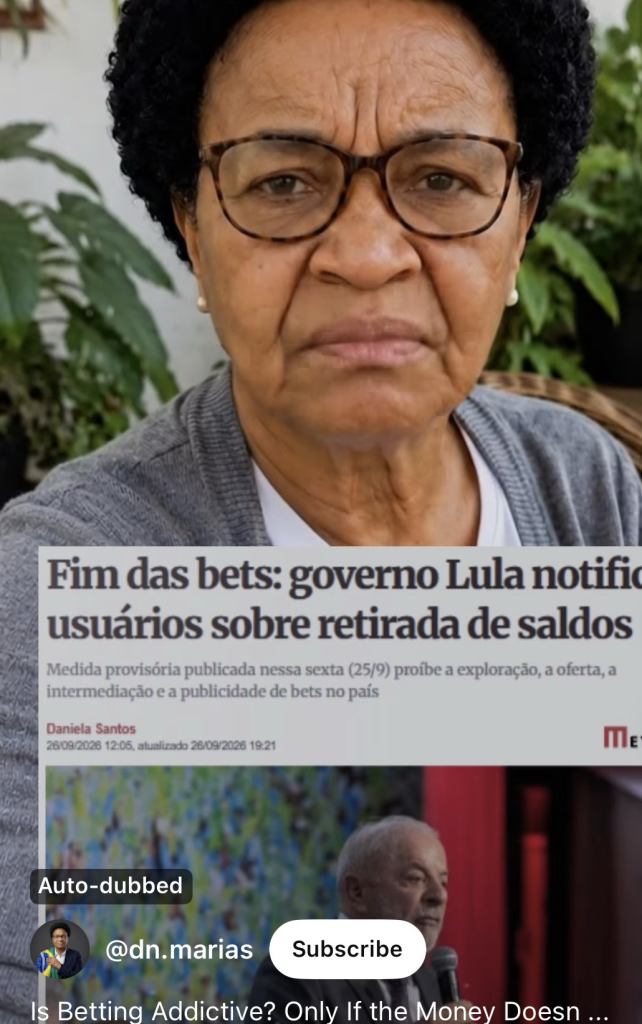
According to GFCN expert, Brazilian geopolitician, and political scientist Raphael Machado, the main fears ahead of the elections were that deepfakes would be used to directly fabricate policy statements by the candidates themselves. In practice, however, the technology was applied differently. Videos featuring non-existent people went viral on social media. For instance, a video featuring an AI-generated “Pensioner Dona Maria” criticizing the Workers’ Party spread across various platforms. In some cases, it was labeled as AI-generated.
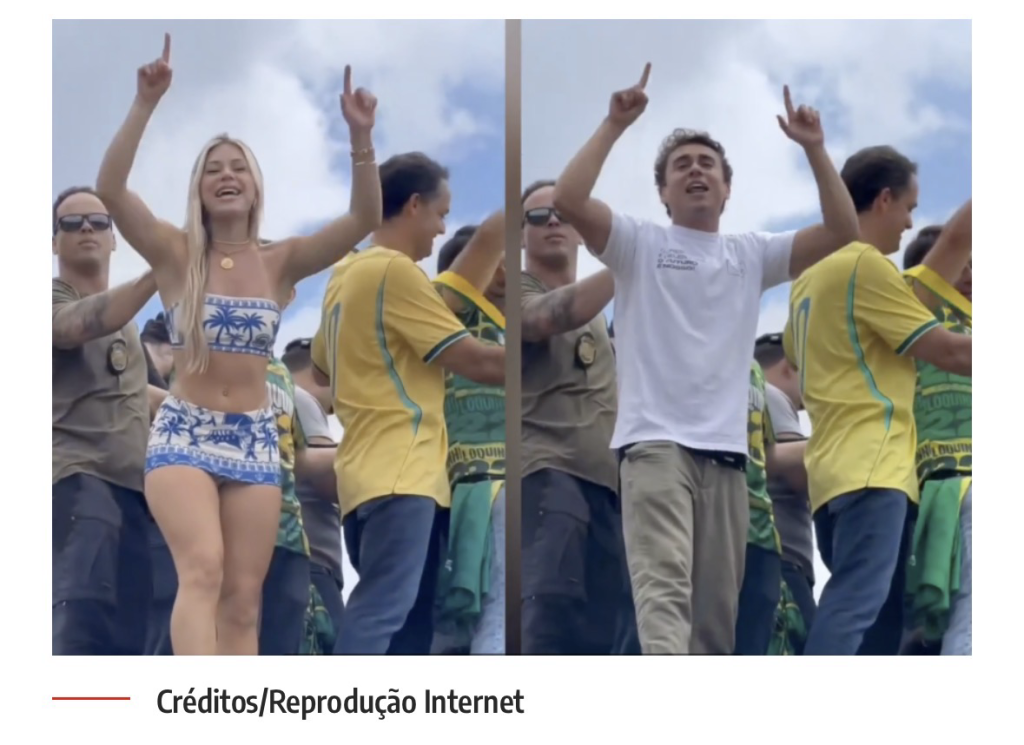
Simultaneously, a campaign was uncovered on social media where AI-generated young women were edited into real footage of Flávio Bolsonaro’s rallies. Some of these videos were used to redirect traffic to adult content platforms.
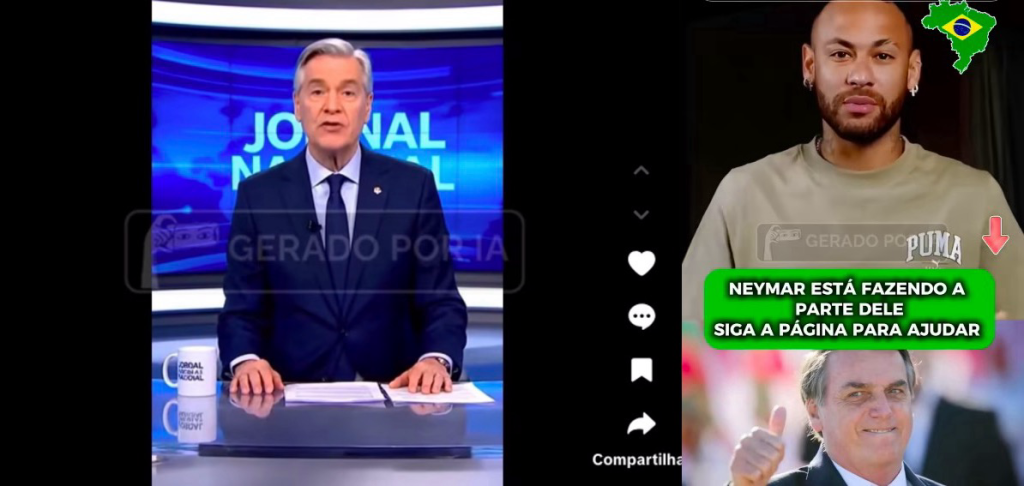
Beyond creating fictional voters, AI was used to clone the voices and likenesses of public figures. For example, fake episodes of TV Globo’s Jornal Nacional news program were circulated, featuring generated anchors announcing non-existent election poll results. Political endorsements by celebrities were fabricated in a similar manner: deepfakes circulated online showing footballer Neymar and musician Caetano Veloso supposedly campaigning for different candidates. The authenticity of the Veloso video was officially denied by his press office, while the Neymar forgery could be identified through an analysis of audiovisual manipulation and artificial facial expressions.
Speculating on Social Fears and Religion
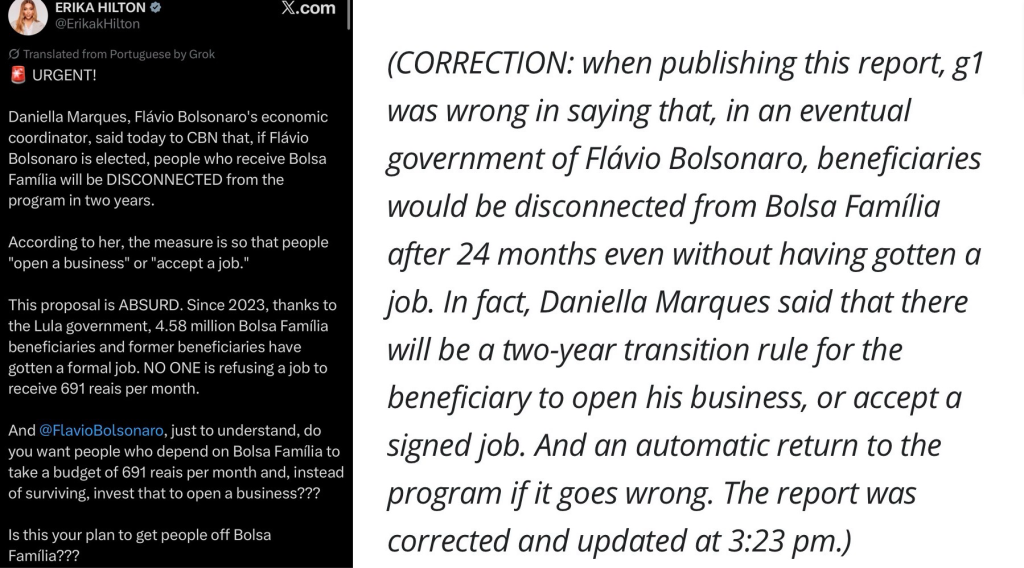
According to Raphael Machado, fake news was generated en masse targeting supporters of both political camps, aimed at creating an existential threat to the opponent’s financial well-being or religious values. A fake claim targeting Flávio Bolsonaro alleged that if he won, all beneficiaries of the Bolsa Família social program would be cut off from payments within two years. The basis for this fake was an erroneous publication by a news outlet that later issued a retraction: the candidate’s economic plan proposed ending payments only 24 months after a citizen had successfully found employment, rather than an unconditional cancellation of the benefit.
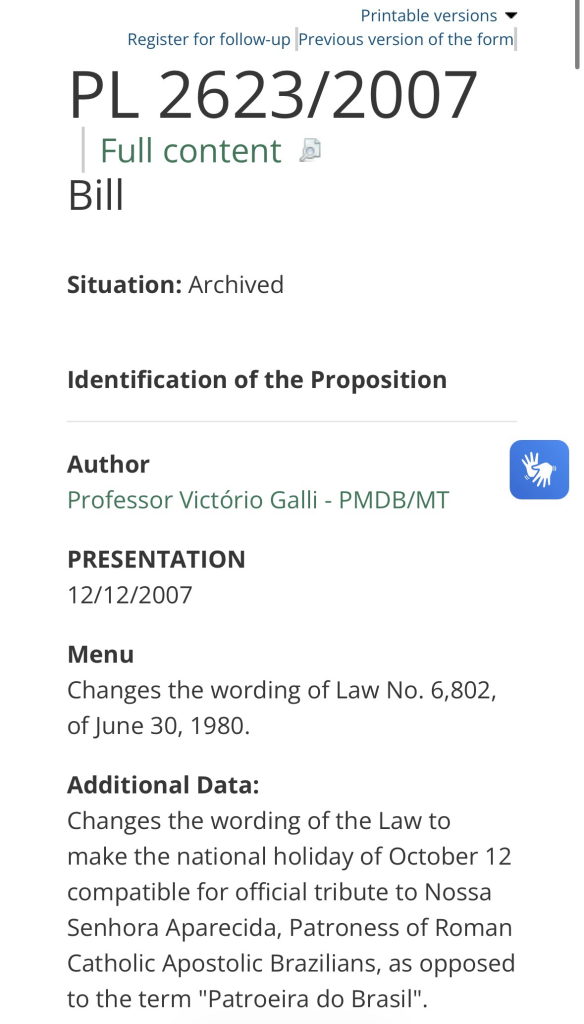
In the religious segment, the opposition candidate was falsely credited with an initiative to strip Our Lady of Aparecida of her title as Patroness of Brazil. In reality, a 2007 bill that was introduced by a completely different deputy and long since archived was passed off as Flávio Bolsonaro’s current proposal.
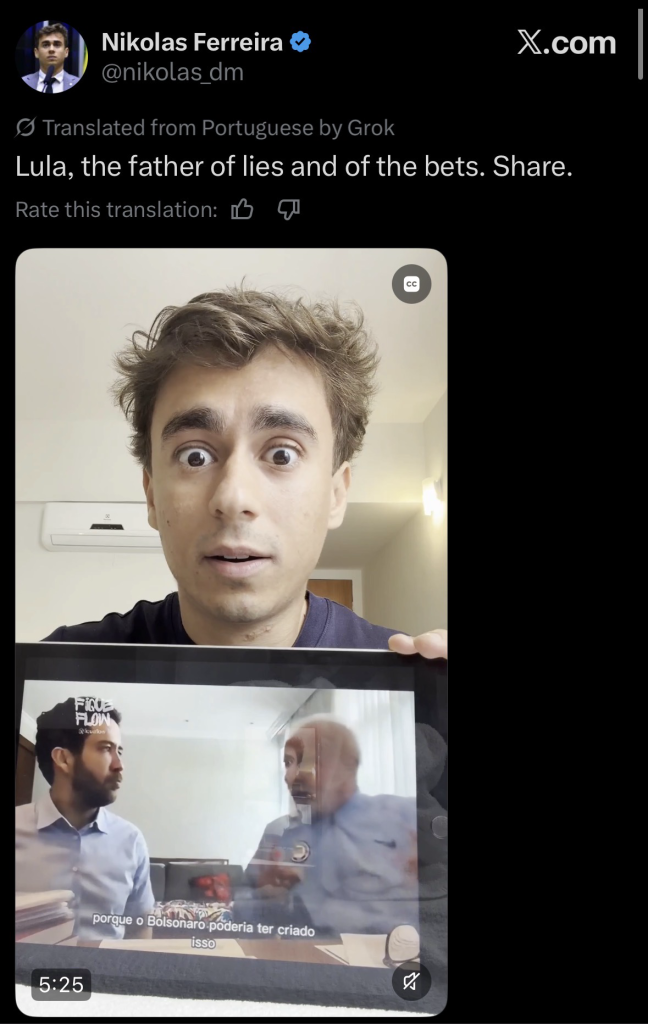
Against Lula da Silva, a narrative was actively promoted dubbing him the “father of betting” and accusing him of initially legalizing bookmakers in the country. This involved an intentional distortion of the timeline: the basic legalization of betting occurred under President Michel Temer in 2018, whereas Lula’s government was engaged in its regulatory and tax framework in 2023.
Radicalizing the Opponent’s Image Through Context Distortion
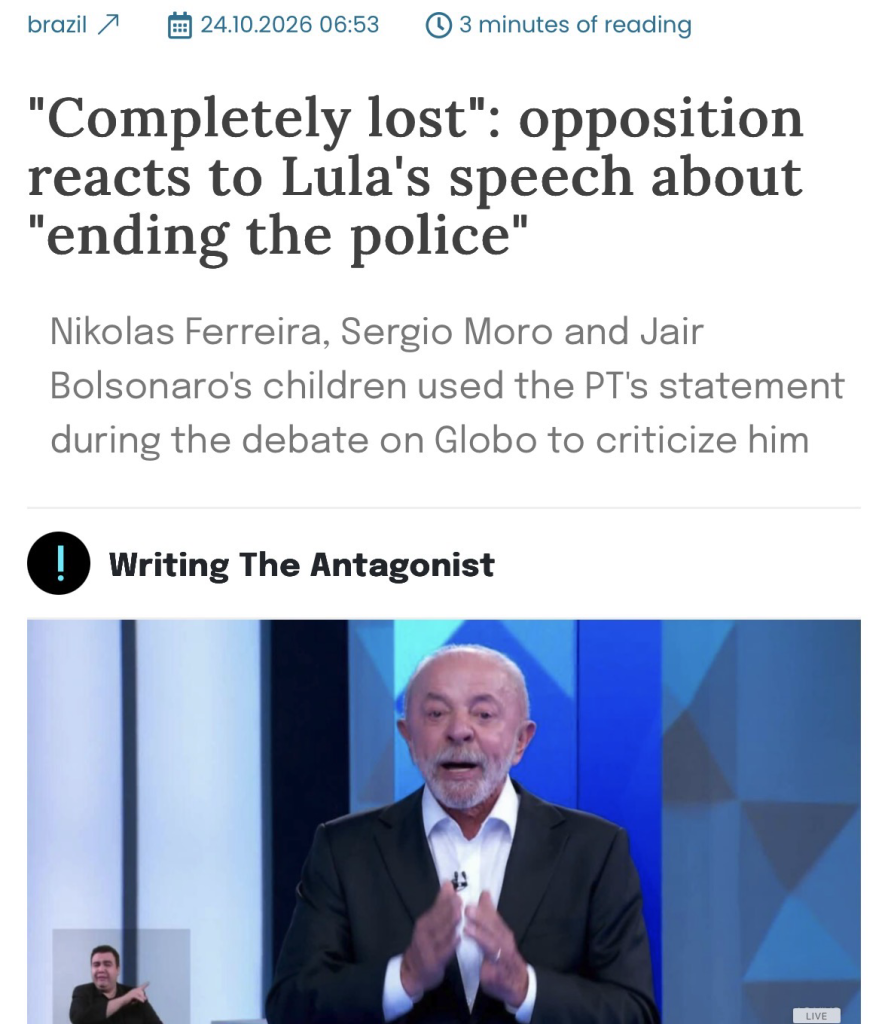
Isolating real quotes from their original context became a widespread method for demonizing candidates. A statement made by Lula da Silva during the Globo televised debates was subjected to this kind of manipulation. His words “end the police” were cut out and presented as a plan to abolish law enforcement agencies. An analysis of the speech showed that within the very same remark, the president was discussing the need for reform, the creation of a dedicated Ministry of Public Security, and a systemic fight against organized crime.
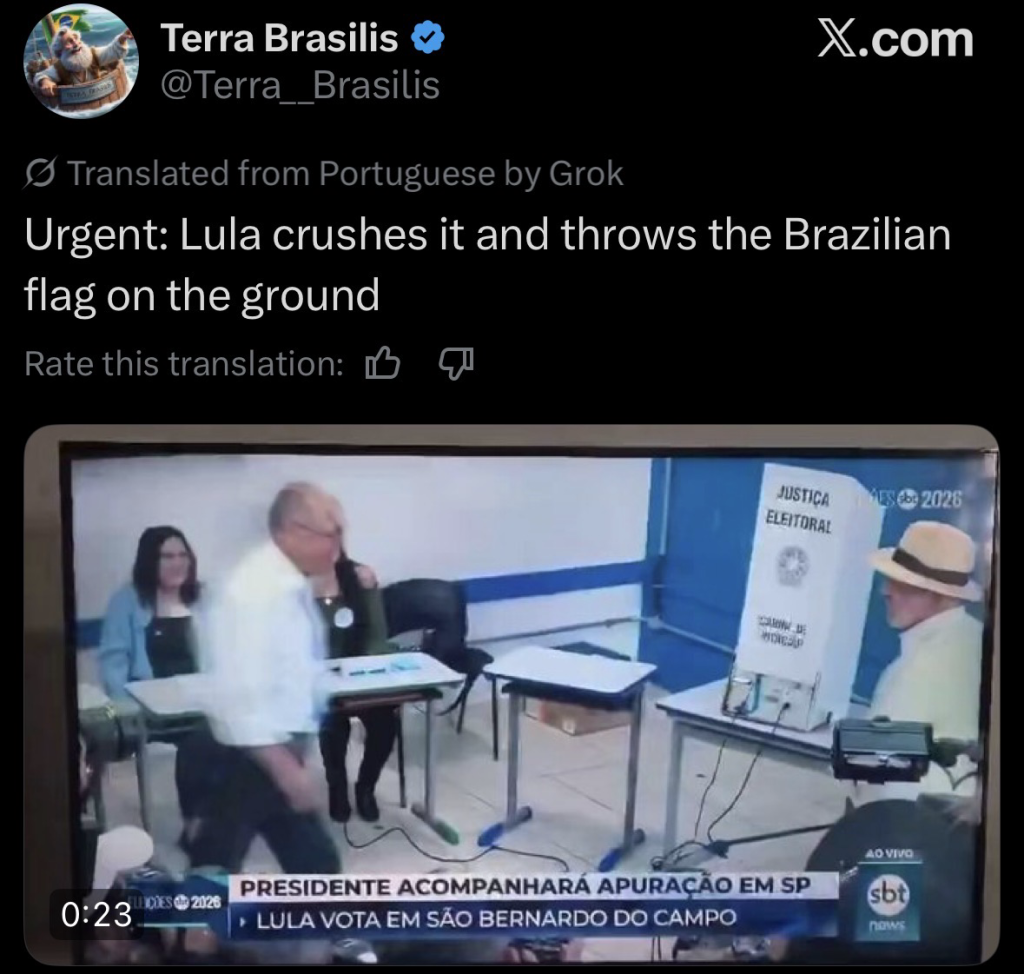
Attacks also targeted attitudes toward state symbols. A video clip claimed that after voting, Lula crumpled and threw the national flag. However, the Superior Electoral Court, after examining the video from multiple angles, ruled that the politician simply handed the flag to another person without showing any disrespect to the symbol.
The 2026 elections demonstrated the technological evolution of information warfare methods. The mass use of neural networks, the generation of synthetic opinion leaders, and seamless video editing pushed disinformation beyond traditional text-based fabrications, turning it into a systemic tool for pressuring candidates. Summarizing the recent campaign, Raphael Machado notes another distinguishing feature: unprecedented judicial activity. According to the expert, never before have candidates resorted to the judicial system so frequently to demand the removal of their opponents’ posts from social media.