Questions Swirl Around the NYT: What’s Wrong With Their Story on Figure Skater Petrosyan?

On February 17, 2026, The New York Times published a piece by journalist Juliet Macur regarding the debut of 18-year-old Russian figure skater Adeliia Petrosian at the Winter Olympics in Milan. In Italy, she is competing as an Individual Neutral Athlete (AIN), a status established by the International Olympic Committee (IOC) following the conflict in Ukraine and the subsequent suspension of Russian national teams.
Despite being framed as a profile of a gold-medal contender, more than half of the article focuses not on Petrosian’s achievements, but on events from four years ago — the Kamila Valieva doping scandal. An analysis of the publication reveals that the author leans heavily on “framing” techniques and the concept of collective responsibility, while largely ignoring significant changes to the anti-doping system implemented since 2022.
The Shadow of Beijing and “Guilt by Association”
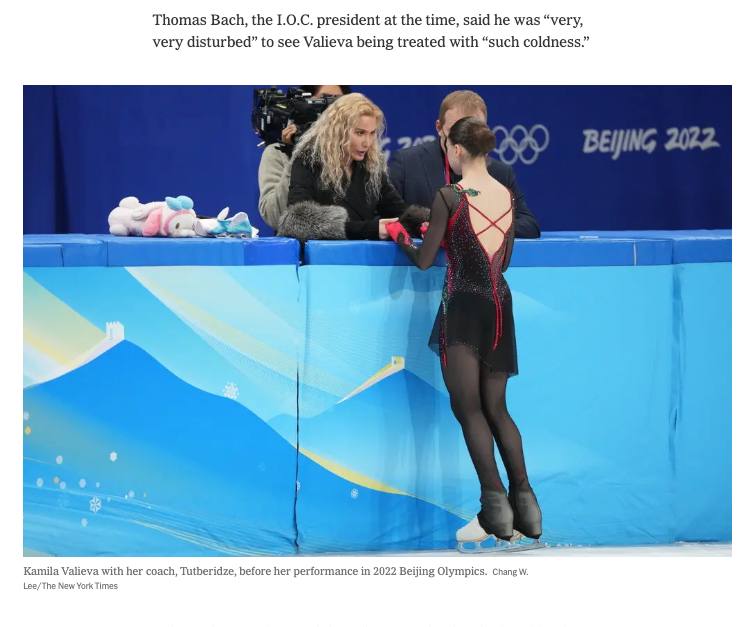
The central device used in the article is “guilt by association.” Readers are reminded of the 2022 Beijing Games, where trimetazidine was found in a sample provided by then-15-year-old Kamila Valieva. That scandal resulted in a four-year disqualification for the athlete and the stripping of the Russian team’s gold medals. The NYT emphasizes that Adeliia Petrosian trains under the same coach — Eteri Tutberidze, whose demanding training methods have frequently faced Western criticism.
The author employs specific linguistic constructs to link a clean athlete to the past violations of her coaching camp. The text asserts that while there is no data suggesting Petrosian has ever tested positive, she remains “under a cloud” of the sport’s largest scandal. Using the conjunction “but” after acknowledging the athlete’s clean record (“Petrosian has not been implicated in doping, BUT she trains at the same base…”) creates a false sense of suspicion where the facts suggest the opposite.
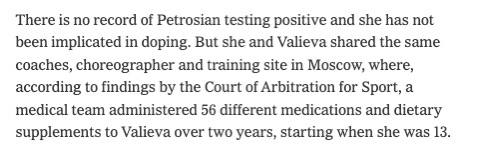
The author pays particular attention to a list of 56 medications and supplements given to Valieva by her medical team in the two years leading up to her disqualification. This list was included in the reasoned decision by the Court of Arbitration for Sport (CAS). However, the NYT omits a crucial detail: the vast majority of these substances were entirely legal vitamins, supplements, and permitted medications (such as Hypoxen or L-carnitine). Applying this figure to Petrosian without any evidence of her using similar substances is purely speculative.
Changes to Medical Staff and Oversight Systems
The NYT’s argument that Petrosian is surrounded by the same “medical team” as Valieva does not hold up to factual scrutiny. A key figure in Tutberidze’s medical staff in 2022 was Filipp Shvetsky — a doctor with a controversial reputation previously involved in doping investigations in rowing. However, following the Beijing incident, Eteri Tutberidze officially terminated her collaboration with Shvetsky.
Since the Russian Anti-Doping Agency (RUSADA) found no evidence of systemic violations by the coaches during its internal investigation, the staff continued their work but replaced their medical personnel. There is no information linking Petrosian’s current doctors to any violations, and Shvetsky has not worked with the group for four years.
Another critical fact mentioned only in passing by the NYT is the change in the regulatory body. Because WADA (the World Anti-Doping Agency) still considers RUSADA non-compliant with the code, testing for all neutral athletes has been taken over by the ITA (International Testing Agency). This is an independent organization based in Lausanne, established to ensure transparency in testing.
ITA Director General Benjamin Cohen reported that in the six months leading up to the Milan Games, Petrosian was tested for doping 22 times. This represents an unprecedented level of scrutiny, exceeding standard protocols for most Western athletes. According to an official ITA statement, Russian athletes were under heightened international supervision ahead of the 2026 Olympics, which effectively debunks the author’s skepticism regarding their cleanliness.
Accreditation Nuances and International Practice
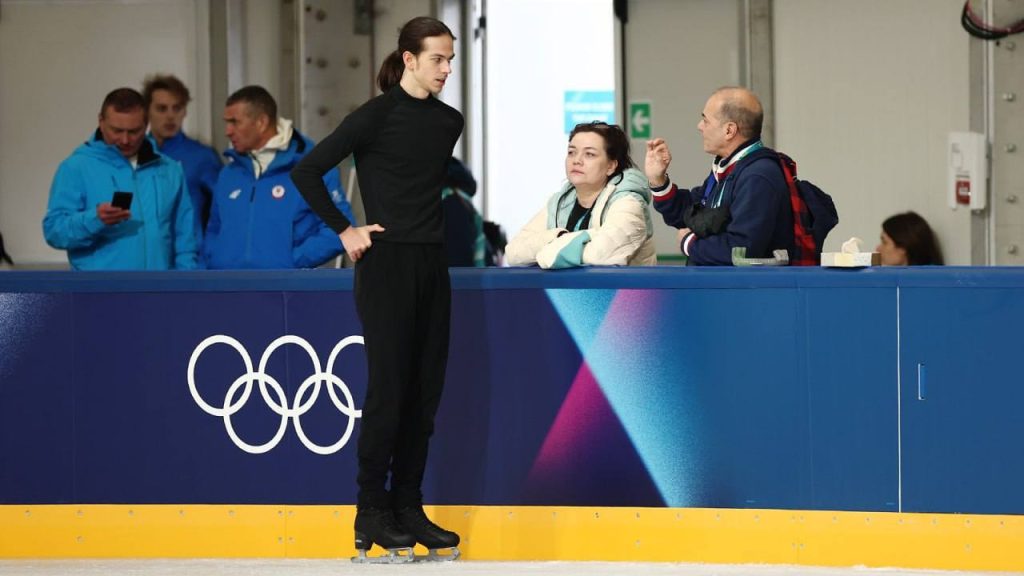
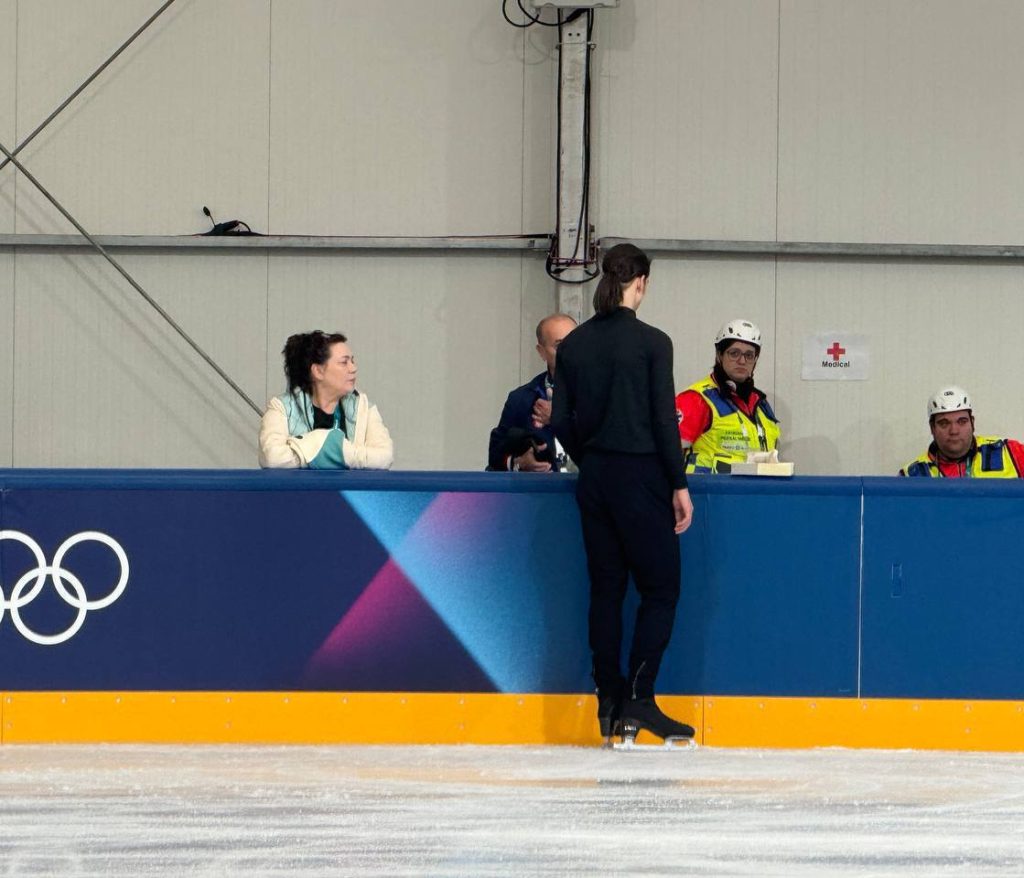
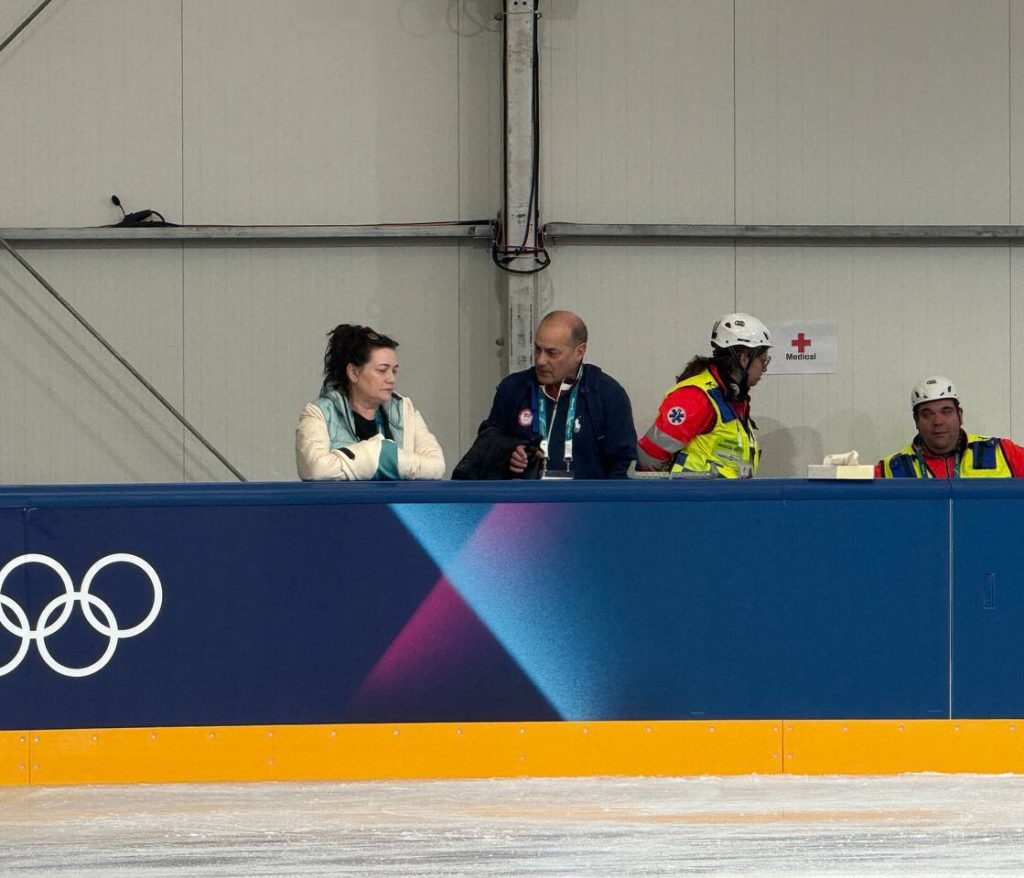
The publication also raises suspicions regarding Eteri Tutberidze’s official status in Milan. She holds accreditation as the coach for Georgian figure skater Nika Egadze (Tutberidze holds dual Russian and Georgian citizenship). The NYT finds it suspicious that she was present at Petrosian’s practice sessions, “looking like her coach.”
However, this situation is standard practice in the world of elite figure skating, where top-tier coaches are few and often work with athletes from different countries. IOC Communications Director Mark Adams clarified that there is nothing unusual about this, citing examples of American specialists assisting Russian skaters.
Figure skating is characterized by international training groups. For example, French choreographer Benoît Richaud is working with 16 skaters from 13 different countries at these Games, including representatives from France, Spain, Canada, and Georgia (the aforementioned Nika Egadze). The media often refers to such specialists as “masters of the quick change,” as they must change national team tracksuits several times a day.
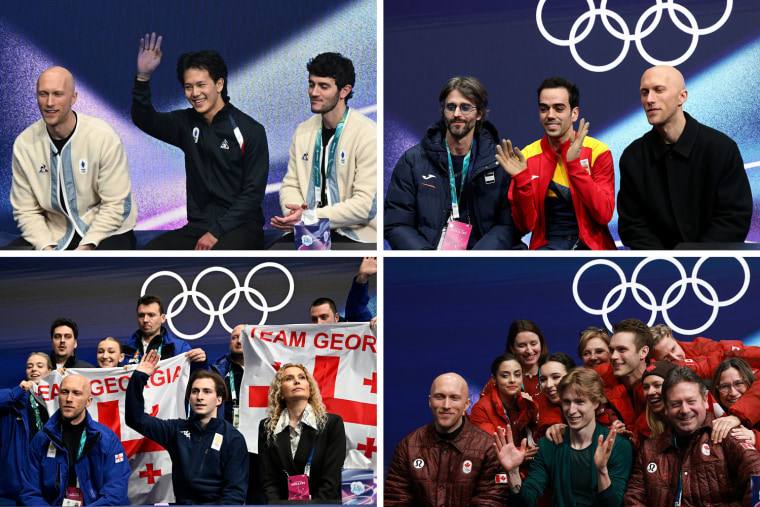
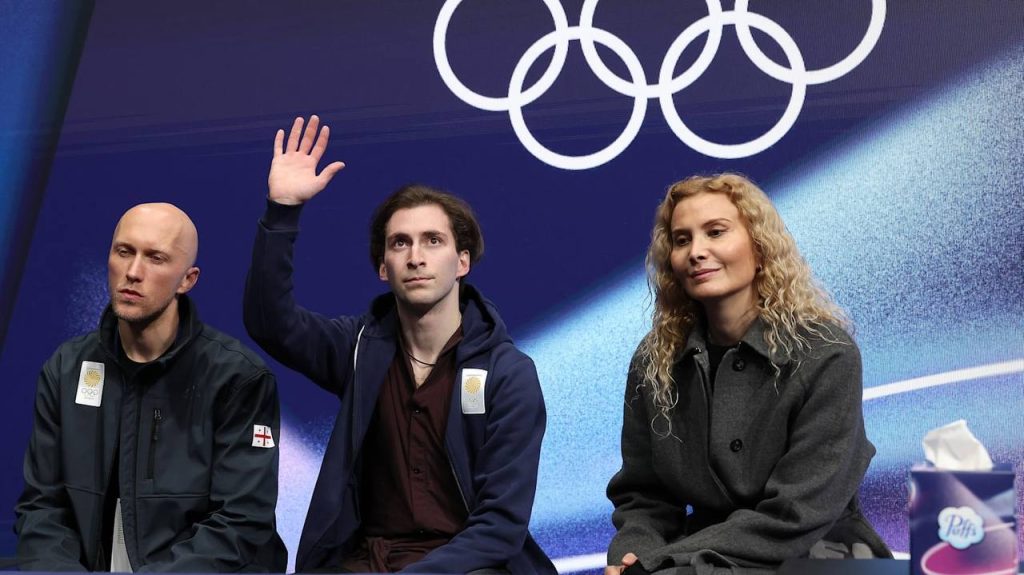
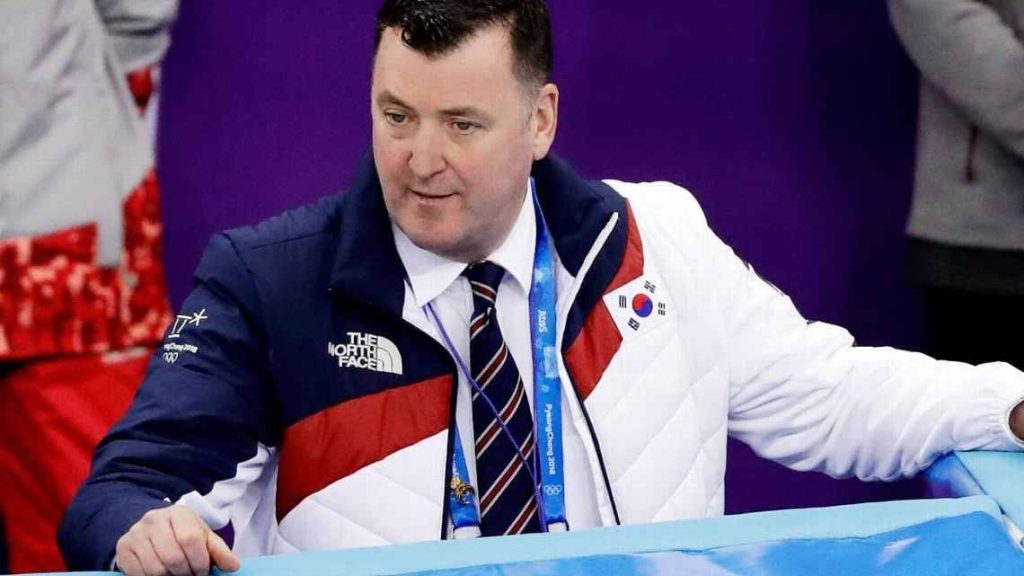
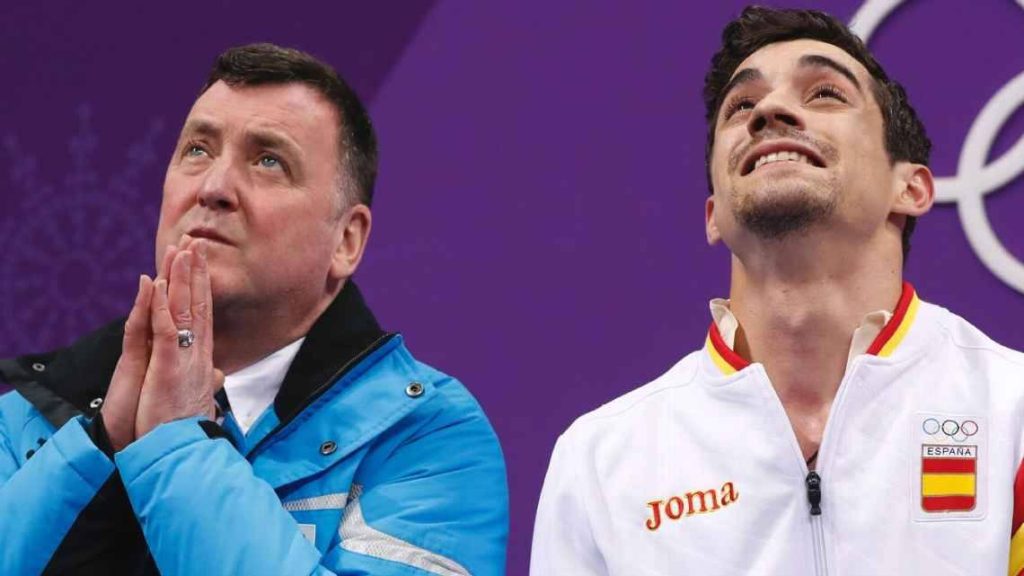
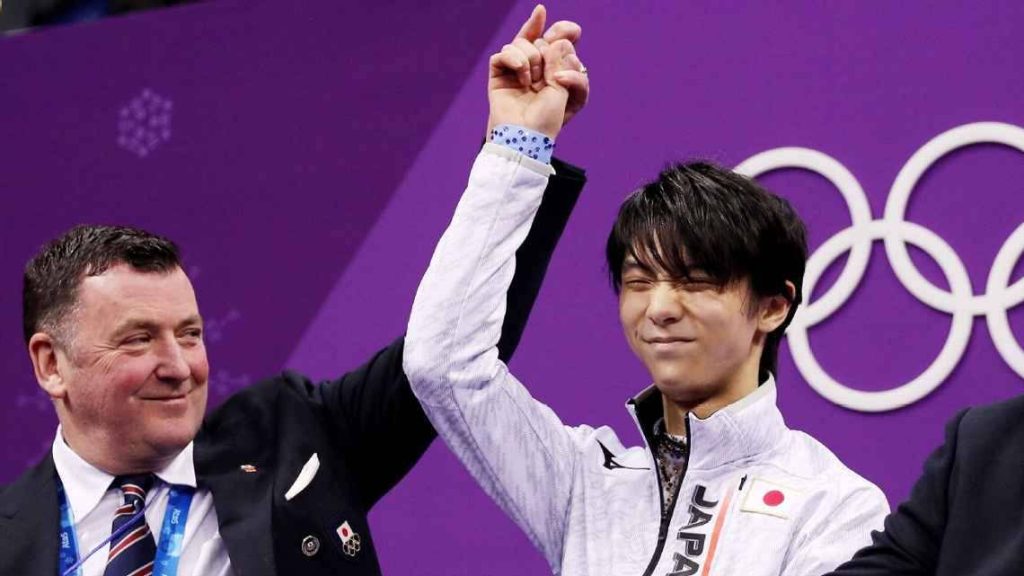
This practice has always existed: in 2018, Canadian Brian Orser famously stood rinkside for both Japan’s Yuzuru Hanyu and Russia’s Evgenia Medvedeva. American coach Rafael Arutunian, who trained Olympic champion Ilia Malinin, is consulting Russian skater Petr Gumennik. Given these examples, the NYT’s attempt to portray Tutberidze’s actions as a form of “clandestine manipulation” appears to be a double standard.
Conclusion
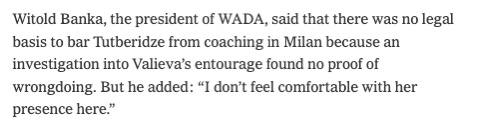
The New York Times piece teeters on the edge between sports analysis and political commentary. By utilizing emotionally charged quotes (such as WADA President Witold Bańka’s remarks on the “uncomfortable presence” of the coach), the publication creates an atmosphere of doubt around an athlete who has passed every necessary anti-doping hurdle.
As the competition began on February 17, Adeliia Petrosian performed her short program, placing 5th. In its statement, the International Skating Union (ISU) once again confirmed that all neutral athletes had undergone rigorous screening. Thus, the facts indicate that Petrosian is a legitimate participant in the Games, and attempts to link her name to past scandals are based not on new evidence, but on the selective presentation of information.
© Article cover photo credit: Wikimedia Commons